Self-Reliance: Skills and Habits for a More Resilient Household
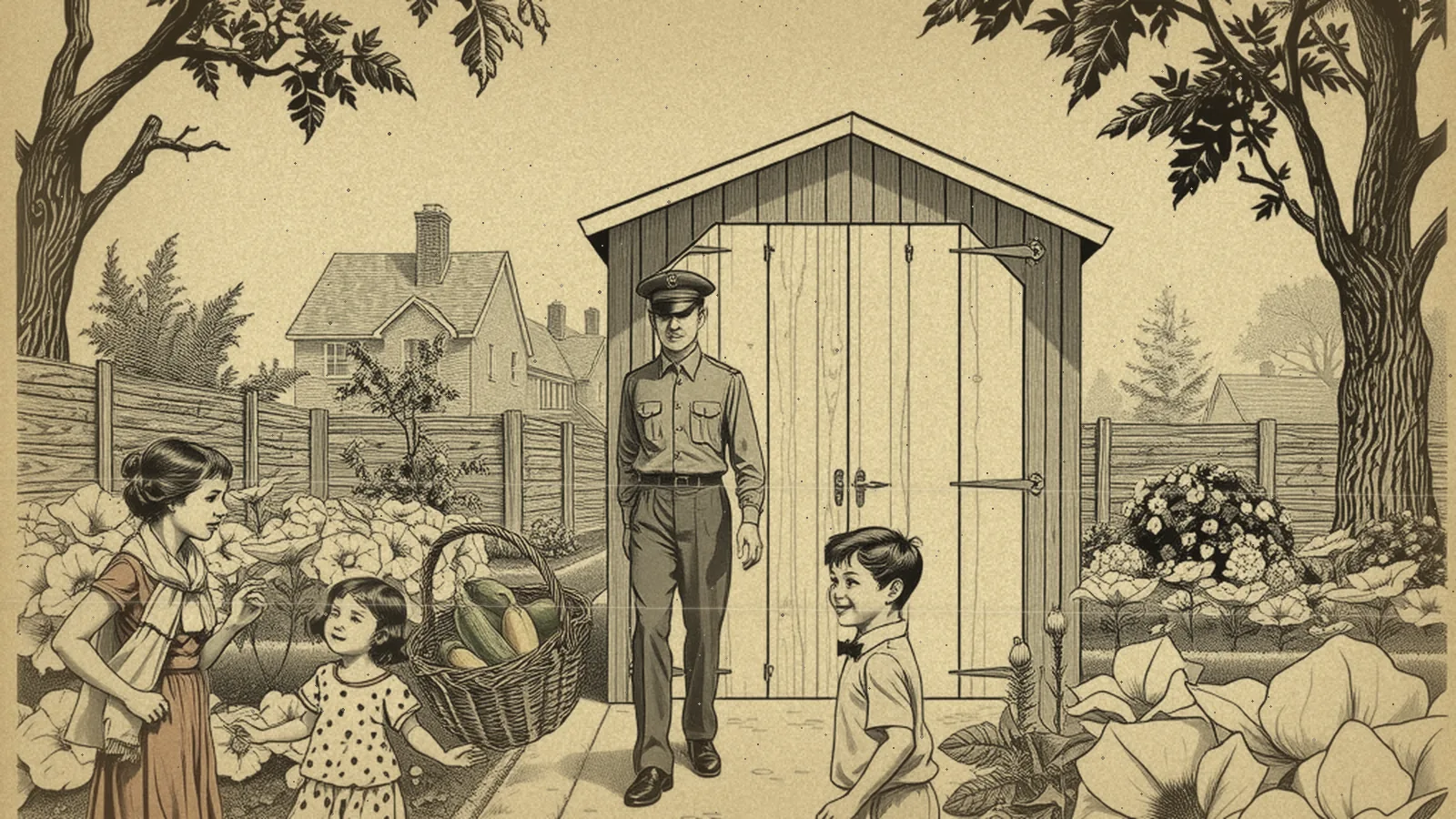
Self-reliance is the ability to take care of your household for a while when the usual systems are interrupted, and to enjoy doing more for yourself the rest of the time. It's built from small habits: a stocked pantry, a few practiced skills, a garden bed, a plan everyone knows. None of it requires fear, and none of it has to happen all at once.
The guides in this section start with the foundations of prepping and move toward longer-term skills like growing food, saving seeds, keeping chickens and living partly off the grid. Pick the one that matches where you are today.
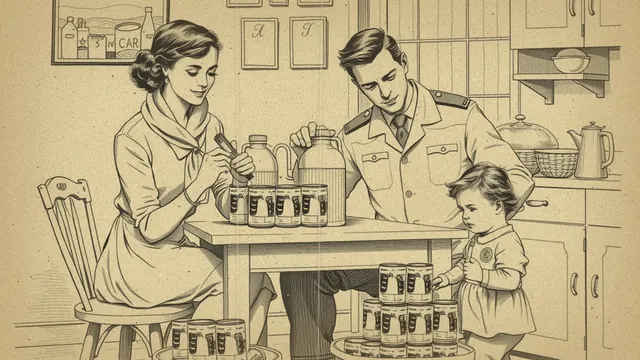 Prepping for BeginnersA simple, fear-free starting path: water, food, a basic kit and a plan your household can practice.
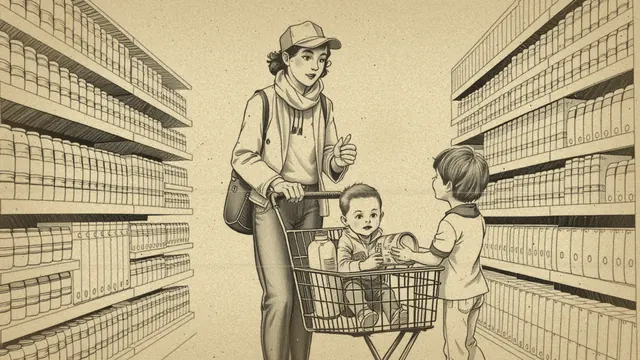 Prepping on a BudgetFree first steps, smart priorities and small weekly buys that add up to real readiness.
 Prepper MindsetHow to prepare from a place of calm, tune out doom content and focus on practice over gear.
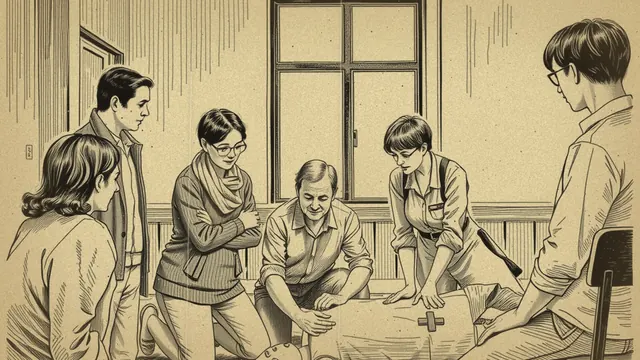 Survival SkillsThe practical skills that help most in real emergencies, ranked, with free and low-cost places to learn.
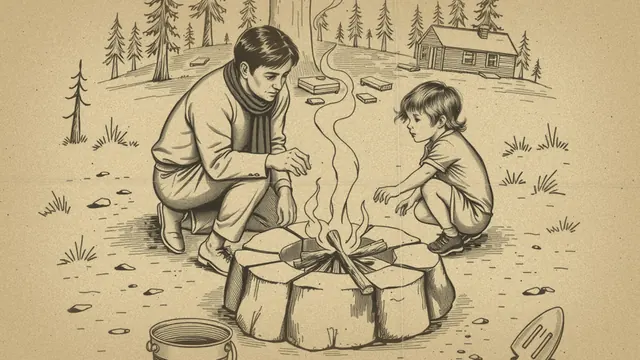 Fire StartingFerro rods, tinder and kindling, plus the safety rules and burn-ban checks that come first.
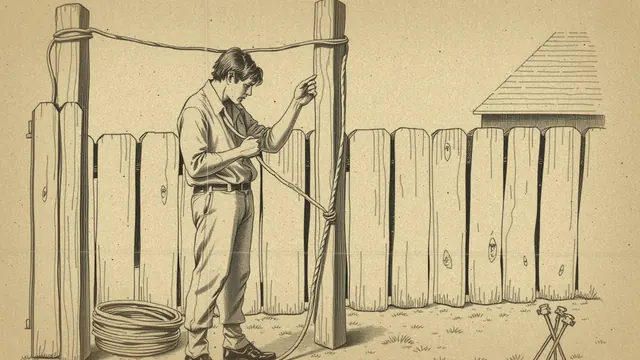 KnotsFour dependable knots for tarps, loads and household jobs, with easy steps and practice tips.
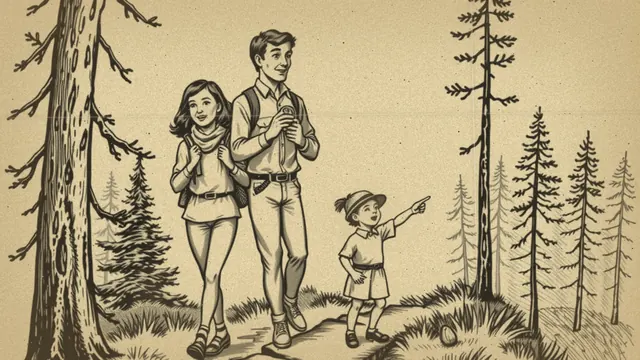 Navigation Without GPSRead a paper map, use a basic compass and plan routes you can follow when your phone can't help.
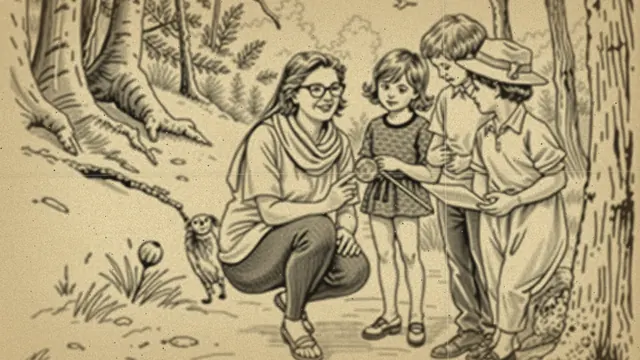 Foraging SafelyLearn wild foods the careful way: expert identification, local rules and a firm "when unsure, leave it" habit.
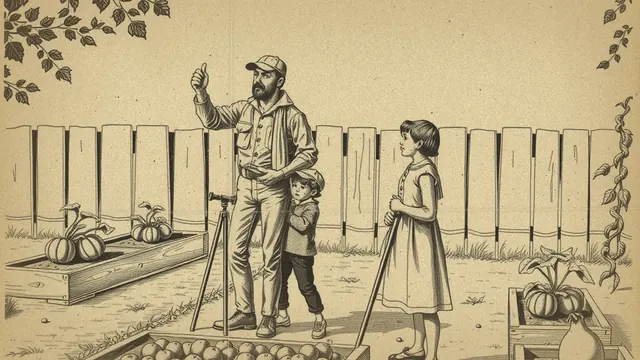 Survival GardenGrow calorie-rich crops that store well, starting small in a yard, patio or community plot.
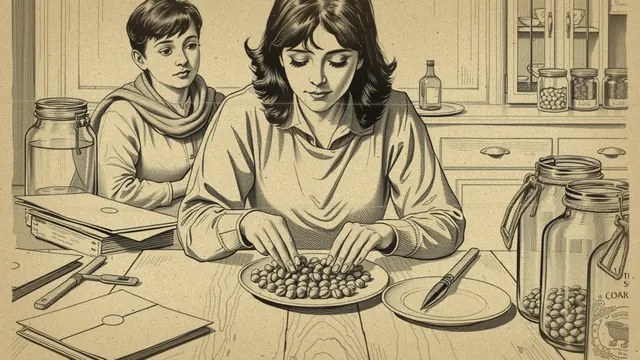 Seed SavingSave seed from beans, peas, tomatoes and lettuce, then dry, label and store it for next season.
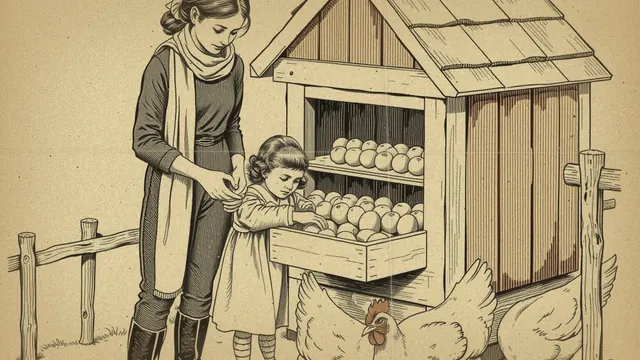 Backyard ChickensCheck local rules, plan a safe coop, learn daily care and handle eggs safely before you bring hens home.
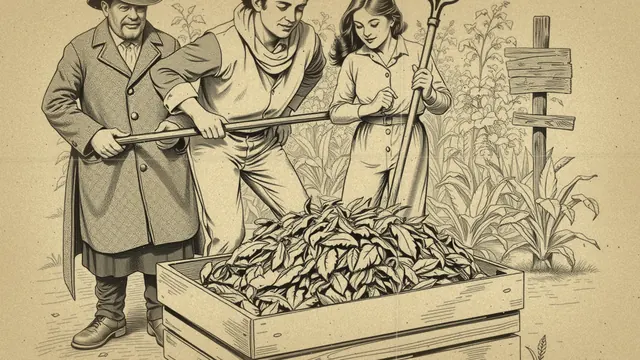 CompostingBalance greens and browns, keep the pile damp and airy, and turn kitchen scraps into rich garden soil.
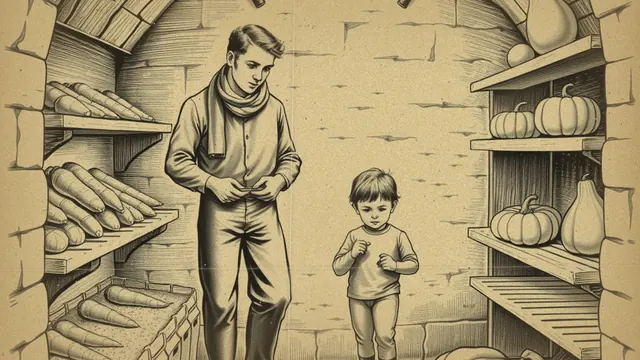 Root CellarStore potatoes, squash and apples for months using a cellar, basement corner, buried bin or cool closet.
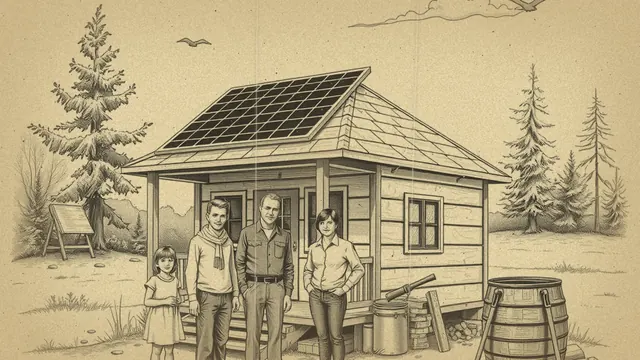 Off-Grid Living BasicsLearn the four off-grid systems, power, water, heat and waste, and how to test them before a big move.
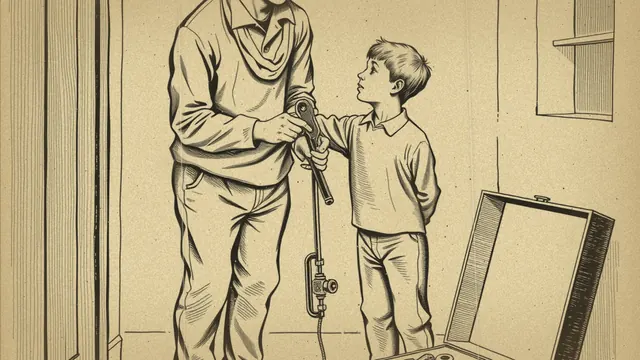 Essential ToolsThe hand tools, shutoff tools and repair supplies that help any household through outages and storms.
Two kinds of self-reliance
It helps to think of this section in two parts.
Emergency readiness is about getting through the disruptions that really happen: a power outage, a winter storm, a flood, a stretch of extreme heat. Here the focus is on water, food, light, first aid and a plan. If you're new, begin with prepping for beginners, then keep going with prepping on a budget.
Everyday resilience is about building skills and systems that make your home steadier all year. Think of a vegetable garden, a compost pile, a shelf of home-canned tomatoes, a few hens or a small solar setup. These projects are useful in emergencies, but they're also satisfying on an ordinary Tuesday.
Most households end up with a mix. A family in a city apartment might focus on a well-stocked closet and container herbs on the balcony. A rural family might be raising chickens and saving seeds. Both are self-reliant in ways that fit their lives.
Start with mindset
Some people arrive here after watching alarming videos or reading scary headlines. If that's you, it's okay to feel uneasy. The calm answer is to plan for the emergencies that are common where you live and take one small step at a time. Our guide to the prepper mindset explains how to tell steady readiness apart from fear-driven buying.
A simple path through this section
Here's one sensible order for working through these guides. You don't need to follow it exactly.
| Stage | Focus | Guides to read |
|---|---|---|
| 1 | Get the basics in place | Prepping for beginners, prepping on a budget |
| 2 | Steady your approach | Prepper mindset, essential tools |
| 3 | Build hands-on skills | Survival skills, fire starting, knots, navigation without GPS |
| 4 | Grow and preserve food | Survival garden, seed saving, composting, root cellar |
| 5 | Add homestead projects | Backyard chickens, foraging safely, off-grid living basics |
Stage one and two can be done in a couple of months with small weekly steps. Stages four and five are longer projects that grow with the seasons.
How this section connects to the rest of the site
Self-reliance draws on every other part of Ready Roots. A few places to visit next:
- Water: storing and treating water is the first priority in almost any emergency. See how much water to store.
- Food storage: your garden and pantry work together. Our guide to home canning basics explains safe, tested methods for preserving a harvest.
- Emergency kits: a well-packed 72-hour kit is the backbone of any household plan.
- First aid: a hands-on class is one of the most valuable skills you can learn. Start with basic first aid skills.
- Community: self-reliant households are stronger together. Our community preparedness guide covers neighbors, local groups and FEMA's CERT volunteer training.
A few ground rules we follow
- Local rules come first. Burning, rainwater collection, chickens, generators and off-grid systems are regulated differently from place to place. Check your state and local rules before you start a project.
- Safety beats self-sufficiency. Never bring grills, camp stoves or generators indoors, and never eat a wild plant or mushroom unless an expert has identified it with certainty.
- Follow officials. Being self-reliant doesn't mean ignoring evacuation orders. Always follow instructions from local emergency officials.
- No guarantees. No skill, product or plan can promise safety. Preparedness gives you better options, and that's worth a lot.
Thinking about a course or guide?
Many people eventually want structured training, like a survival course, a homesteading program or a preparedness guide. Some are excellent; others rely on fear and pressure. Our Choosing a Program section explains how to judge whether a course is worth it, which warning signs to watch for and where to find good free resources first.
Today's small step
If you only do one thing after reading this page, choose a guide above and complete its checklist. Self-reliance isn't a destination. It's a long series of small, practical steps, and every one of them counts.
Want a guided preparedness plan?
Some people like the structure of a paid guide. This button opens a third-party survival or preparedness program from one of our advertising partners. Its claims are its own, not ours, so weigh them against our red flags checklist.
See the partner program →We may be paid when you click. The program shown can change. Read its terms before you buy anything. How this works
Frequently asked questions
What does self-reliance mean in emergency preparedness?
It means your household can handle more on its own for a while: storing water and food, knowing basic skills and having a plan. It doesn't mean going it alone; strong neighbors and communities are part of it.
Where should I start with self-reliance?
Start with the basics most emergencies call for: water, a few days of food, a simple kit and a family plan. Then add one skill or project at a time, like first aid, a small garden or learning to cook without power.