Raising Backyard Chickens for Beginners
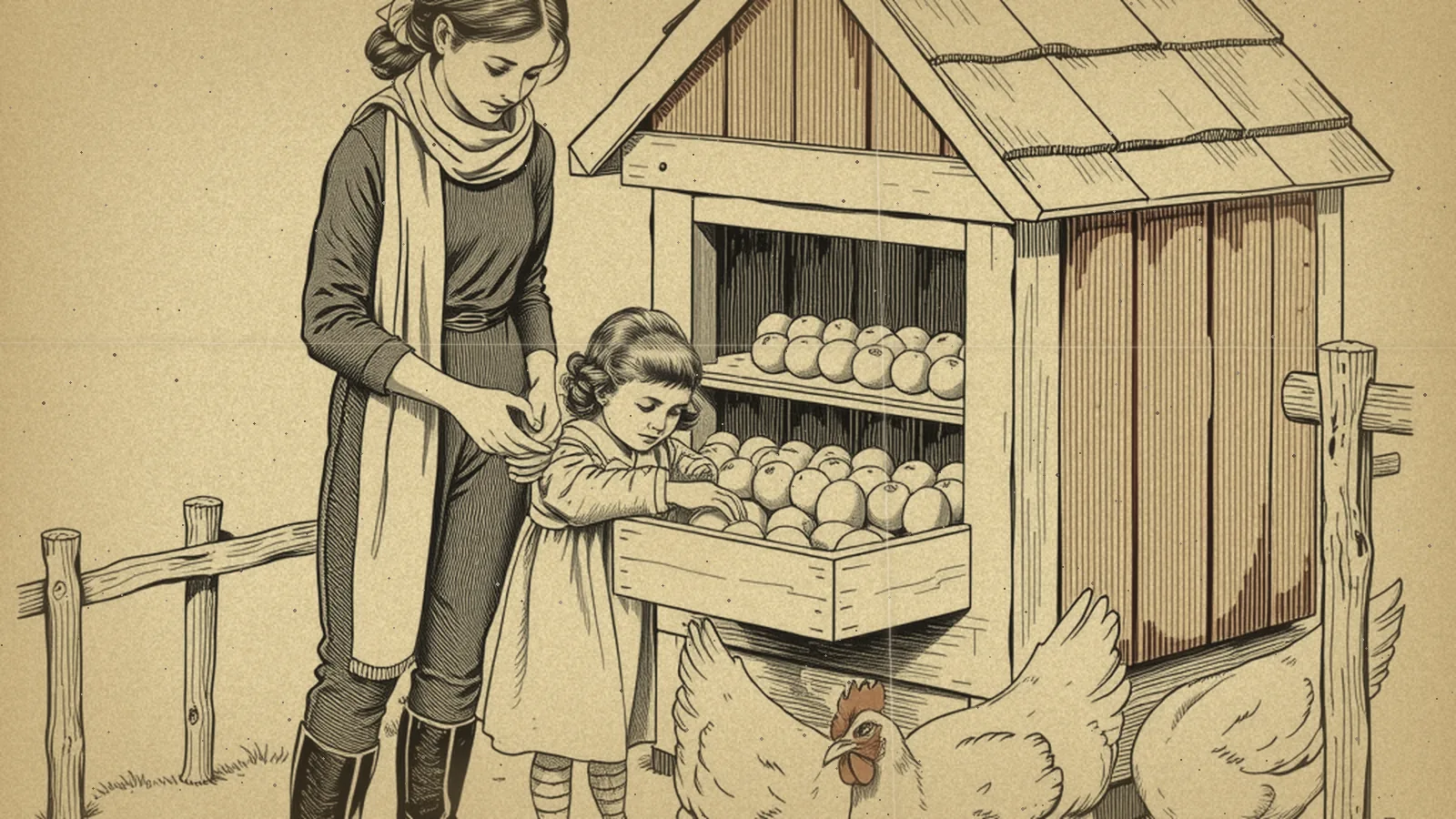
Raising backyard chickens starts with three steps: check your state and local rules, build a secure coop with enough space, and commit to daily care for feed, water, cleaning and egg collection. A small flock of hens can provide fresh eggs, garden help and compost, but it's a long-term responsibility, so make sure it fits your schedule, budget and household before bringing birds home.
Chickens are one of the more popular projects in our Self-Reliance section, and for good reason. They're friendly, they turn kitchen scraps into eggs, and kids often love them. They also need care every single day, including holidays, storms and cold snaps.
Step one: check the rules
Backyard poultry is regulated locally, and the rules vary widely. Before you buy anything, find out:
- Whether your city or county allows chickens on your property
- Limits on flock size, and whether roosters are allowed
- Required distances between coops and property lines or neighbors' homes
- Whether you need a permit
- What your homeowners association, lease or landlord allows
Your city or county website, zoning office and local cooperative extension office are good places to start. Talking with neighbors early, maybe with a promise of some eggs, helps keep the peace.
Is a flock right for your household?
| Question | Why it matters |
|---|---|
| Who will do daily care? | Birds need food, water and a check every day |
| Who covers when you travel? | A neighbor or friend must be willing and trained |
| Do you have a nearby vet who sees poultry? | Not all vets do; find one before you need one |
| Can you protect birds from predators? | Raccoons, hawks, foxes and dogs are common threats |
| What happens when hens stop laying? | Hens live for years beyond their peak laying time |
| Does anyone in the home have health concerns? | Young children, older adults and people with weakened immune systems face more risk from poultry germs |
Space and the coop
A good coop keeps birds dry, ventilated and safe at night. Look for:
- A secure, enclosed house with a door you can latch at night
- Hardware cloth, not chicken wire, on openings; chicken wire keeps chickens in but doesn't reliably keep predators out
- Roosting bars for sleeping and nest boxes for laying
- Ventilation high on the walls to let moisture out without drafts on the birds
- An attached run with a covered top if hawks are common in your area
Space needs depend on breed, climate and how much time birds spend outside. Your extension office or a reputable poultry guide from a university program can give space guidelines for your situation. Crowded birds are more likely to get sick and peck at one another.
Daily, weekly and seasonal care
Every day
- Fresh, clean water
- Complete layer feed as the main diet; scraps and treats are extras
- Collect eggs
- Check each bird for normal behavior: alert, eating, moving well
- Close the coop at dusk
Every week
- Remove soiled bedding and add fresh
- Scrub waterers and feeders
- Check fencing and latches for damage
Seasonally
- Winter: Keep water from freezing and keep the coop dry and draft-free. Heat lamps are a common cause of coop fires; ask your extension office about safer options for your climate.
- Summer: Provide shade and plenty of water.
- Spring and fall: Deep clean the coop.
Handling eggs and birds safely
Chickens can carry germs like Salmonella even when they look clean and healthy. Public health agencies generally recommend a few simple habits for backyard flocks:
- Wash hands with soap and water after touching birds, eggs, feeders or anything in the coop.
- Keep coop shoes and tools outside the house.
- Don't kiss or snuggle chickens, and don't let them roam the kitchen.
- Supervise young children, and make sure they wash their hands afterward.
- Collect eggs often, throw out cracked ones, and refrigerate eggs.
Chickens and the rest of your homestead
A small flock fits neatly with other self-reliance projects:
- Compost: Used bedding and manure are excellent compost ingredients once fully broken down. Fresh manure is too strong for plants and can carry germs, so compost it first. Our composting guide explains how.
- Garden cleanup: Hens will scratch through finished garden beds and eat pests and weed seeds. Keep them away from crops you want to keep, including plants you're letting go to seed for seed saving.
- Food storage: Eggs fit into a pantry that also includes roots and squash. Our guide to building a root cellar covers keeping garden harvests through winter.
Fresh eggs don't keep the way dry beans and rice do, so they're a supplement, not a substitute, for a stored food supply. See the best foods for long-term storage for staples that hold for a long time.
A starter shopping list
- Coop with secure latches and hardware cloth
- Covered run
- Feeder and waterer (a heated base for cold climates)
- Layer feed and grit
- Bedding such as pine shavings or straw
- A small first aid kit for birds, chosen with your vet's advice
- A dedicated pair of coop boots and gloves
- Egg cartons and a marker for dating eggs
A worked example
Picture a couple in a small town where up to a handful of hens are allowed with a free permit. They talk with both neighbors, find a vet two towns over who sees poultry, and ask a teenager down the street to cover weekends. They start with three hens, a prebuilt coop reinforced with hardware cloth, and a covered run. After a year, they've learned the rhythm and decide to stay at three, which gives them a steady supply of eggs and plenty of compost for the garden.
What you can do today
- Look up your city or county's rules on backyard poultry.
- Call your cooperative extension office and ask about local poultry classes or guides.
- Visit a friend or neighbor with a flock and help with chores for a day.
- Sketch where a coop and run could go, with room for shade.
Chickens can be a joyful part of a self-reliant home. Learn the rules, plan the care, and start small enough that keeping them stays a pleasure.
Want a guided preparedness plan?
Some people like the structure of a paid guide. This button opens a third-party survival or preparedness program from one of our advertising partners. Its claims are its own, not ours, so weigh them against our red flags checklist.
See the partner program →We may be paid when you click. The program shown can change. Read its terms before you buy anything. How this works
Frequently asked questions
Are backyard chickens allowed where I live?
It depends on your city, county and any homeowners association or lease. Many places limit flock size, ban roosters or set coop distance rules, so check your state and local rules before buying birds.
Do I need a rooster to get eggs?
No. Hens lay eggs without a rooster; you only need one if you want fertilized eggs to hatch chicks. Many towns that allow hens don't allow roosters because of noise.
Can backyard chickens make people sick?
Chickens can carry germs like Salmonella even when they look healthy. Wash your hands after touching birds, eggs or anything in the coop, and supervise young children closely around the flock.