The Prepper Mindset: Choosing Calm Readiness Over Fear
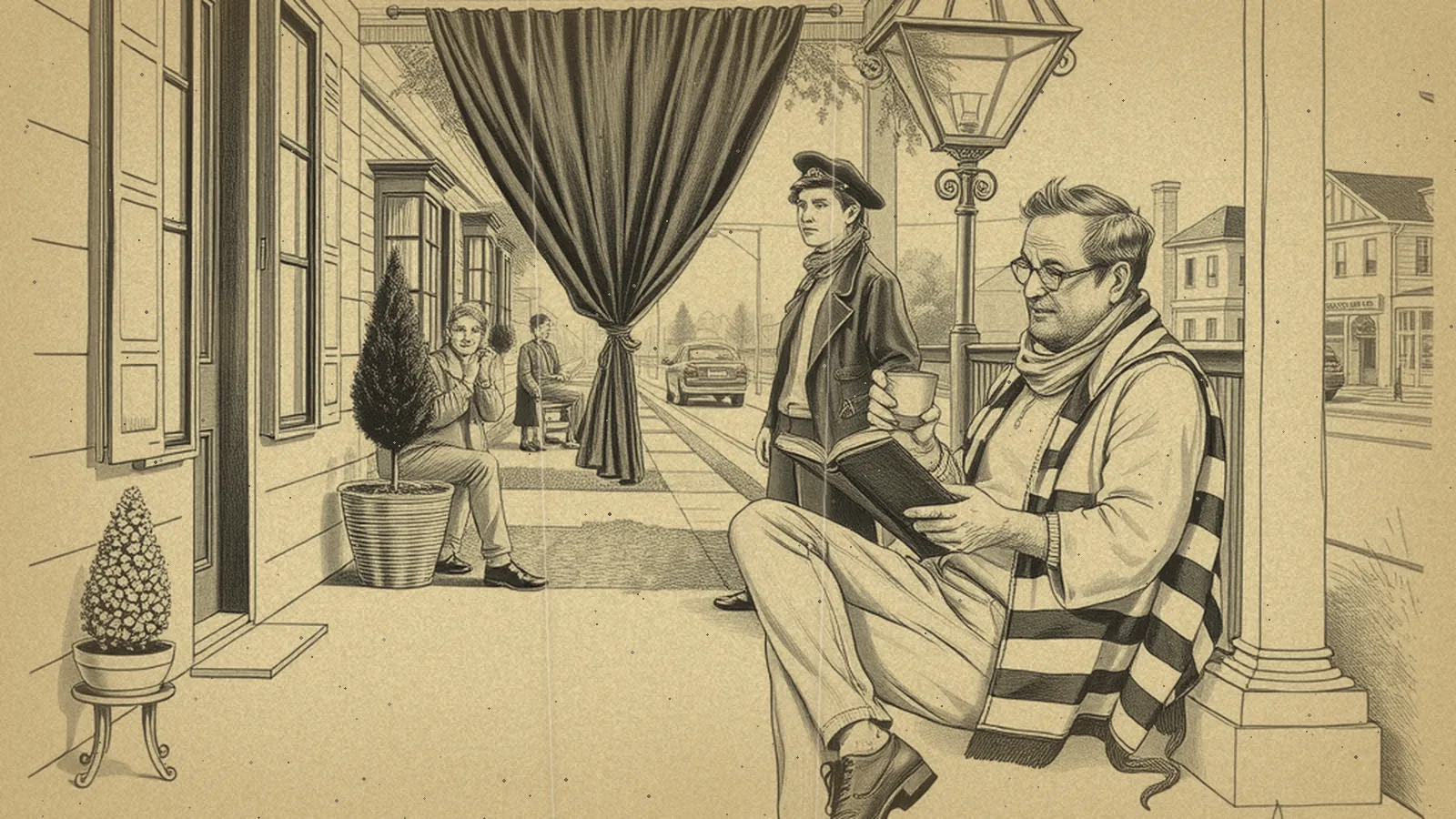
A healthy prepper mindset is calm readiness: you plan for the emergencies that really happen, practice a few useful skills, and then get on with your life. It's the opposite of living in fear. Fear tends to push people either to overspend in a rush or to freeze and do nothing, while calm planning leads to steady progress.
Mindset is the quiet foundation of everything in our Self-Reliance section. Gear and supplies matter, but the way you think about emergencies decides whether you prepare wisely, keep it up and share it with the people around you.
Readiness vs. fear: what's the difference?
| Calm readiness | Fear-driven prepping |
|---|---|
| Plans for likely local emergencies like storms, outages and floods | Focuses on dramatic, unlikely scenarios |
| Builds supplies slowly, within the budget | Buys a lot at once, often under pressure |
| Practices skills with family and neighbors | Collects gear that stays in the box |
| Shares information and helps others | Keeps plans private and sees neighbors as threats |
| Checks official sources | Trusts whoever sounds most alarmed |
| Feels steadier over time | Feels more anxious the more they watch and buy |
You can probably tell which column feels better to live in. It also happens to be the one that works better when a real emergency arrives.
How fear-based content works on you
Some preparedness content is genuinely helpful. Some is built to keep you scared, because scared people watch longer and buy faster. It's worth knowing the patterns so you can notice them.
- Doom videos. Long videos with dramatic music and confident predictions about a coming disaster. No one can reliably predict these events, and the videos rarely end with a simple, affordable plan.
- Countdowns and deadlines. A timer on a sales page, or a claim that you only have weeks left to prepare. Real emergency managers don't talk like that. They ask you to prepare steadily, all the time.
- Conspiracy claims. Stories about hidden plots or people who supposedly want to keep you unprepared. These stir up anger and suspicion but don't help you store water or make a plan.
- "Only this will protect you" offers. Any product or course that claims to guarantee your survival is overselling. Nothing can promise that.
When content like this lands, it usually pushes people one of two ways:
- Overspending. You feel you must act right now, so you buy expensive bundles, more food than you can rotate, or gear you don't know how to use. Later, the money is gone and the anxiety is still there.
- Freezing. The problem feels so big that nothing you could do seems to matter, so you do nothing at all. That leaves you less ready than a neighbor who quietly bought a few extra cans.
Both reactions are normal human responses to fear. Neither one makes you safer. Our red flags guide goes deeper into fear and conspiracy marketing, fake scarcity and other warning signs, with a checklist to use before you buy anything.
Practice over gear
A calm prepper spends more time practicing than shopping. Skills stay with you, they weigh nothing, and they work even when supplies run short. Try these:
- Pretend the power is out for an evening and run your household by flashlight.
- Cook one dinner using only your backup supplies.
- Walk your evacuation route with the kids.
- Find your water shutoff valve and make sure everyone knows where it is.
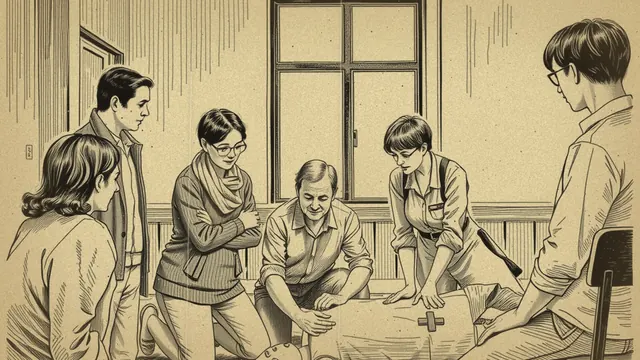
- Take a basic first aid or CPR class.
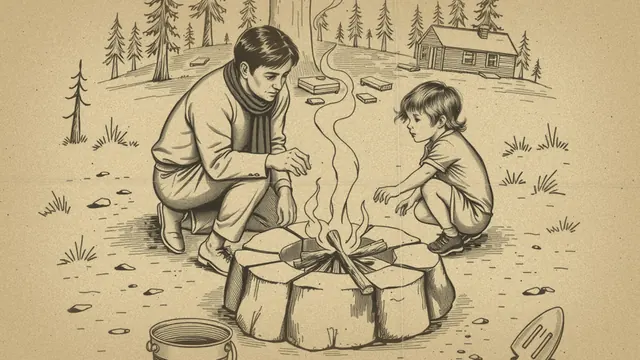
Our guide to survival skills lays out which skills give you the most confidence for the least cost. Hands-on practice, like learning fire starting safely at a campsite, also turns anxiety into something useful: a sense that you can handle things.
A five-minute reset when the news gets loud
If you've just watched something upsetting, try this before you buy or decide anything:
- Close the video or app.
- Take a few slow breaths and notice where you are right now. You're okay in this moment.
- Ask: "What emergencies actually happen where I live?" Write down two or three.
- Ask: "What's one small thing I can do for those today?"
- Do that one thing, then stop for the day.
That small task might be filling two water jugs, checking your flashlight batteries or texting your out-of-area contact. Action calms the mind far better than more scrolling.
Worked example: two ways to respond
Two neighbors watch the same alarming video about a long blackout.
- Neighbor A feels panicked and spends a large chunk of savings on a pre-packed food bundle and a pricey gadget that night. Months later, the food is unopened in the garage and they still don't know where their gas shutoff is.
- Neighbor B feels uneasy too, but they decide to take one step a week. They store water, buy batteries, learn to use their camp stove outdoors and join a local volunteer group. When a storm knocks out power for three days, they're ready, and they check on Neighbor A.
The second path costs less, builds real skill and strengthens the whole street.
Mindset includes your mental health
Thinking about emergencies can stir up real worry, especially for people who have lived through a disaster. That's understandable. Being prepared should make you feel steadier, not more afraid.
If worry about disasters is affecting your sleep, work, relationships or daily life, consider talking with a licensed therapist, who can help you manage anxiety and build coping skills. If you're in crisis in the US, call or text 988 (Suicide & Crisis Lifeline). After a disaster, SAMHSA's Disaster Distress Helpline is available by call or text at 1-800-985-5990.
Keep it sustainable
The best preparedness habit is one you can keep for years. Small, regular steps matter more than big bursts. If money is part of the stress, prepping on a budget shows how to build readiness a few dollars at a time without feeling pressured.
Want a guided preparedness plan?
Some people like the structure of a paid guide. This button opens a third-party survival or preparedness program from one of our advertising partners. Its claims are its own, not ours, so weigh them against our red flags checklist.
See the partner program →We may be paid when you click. The program shown can change. Read its terms before you buy anything. How this works
Frequently asked questions
What is the prepper mindset?
At its best, it's a calm habit of planning for common emergencies, practicing skills and helping others. It's about being steady and ready, not about expecting the worst.
Why do survival videos make me so anxious?
Many are built to hold your attention with alarm, urgency and dramatic predictions. That keeps you watching, but it doesn't make you safer. Stepping away and doing one practical task usually helps more.
What if worrying about disasters is affecting my sleep or daily life?
That's worth talking about with a licensed therapist, who can help you manage anxiety. If you're in crisis in the US, call or text 988 (Suicide & Crisis Lifeline).