72-Hour Emergency Kit Checklist: The Ready.gov List, Explained
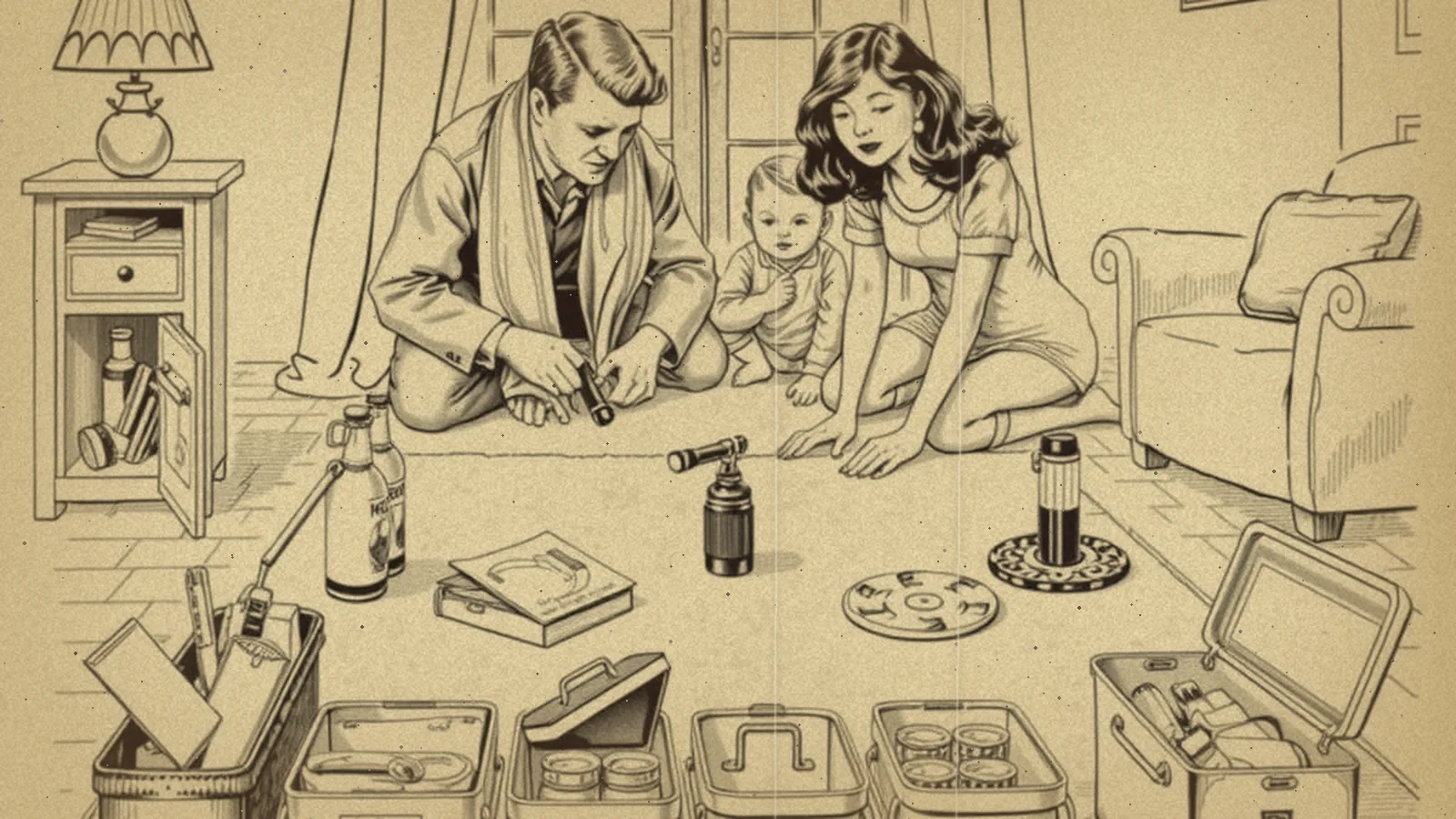
A 72-hour kit holds the supplies your household would need to get through about three days on your own: water, food, light, a radio, first aid supplies and a few tools. The core checklist comes from FEMA's Ready.gov, and you can build most of it from things already in your home. Below is the full list, what each item is for, and how to adapt it.
This is the anchor kit in our Emergency Kits section, and the smaller bags for evacuation, work and the car all borrow from it.
Why three days?
Emergency managers generally plan for a stretch when stores, power or roads may be disrupted and help is busy elsewhere. Three days is a practical first goal. It is enough to ride out most storms and outages, and it is small enough that a household can build it in a few weekends. Once you have it, you can grow toward a longer home supply.
The Ready.gov basic kit list
Ready.gov recommends making a family emergency plan, building a kit, and staying informed. Here is its basic kit list, item by item, with why each one earns its place.
| Item | Why it's there | Quick tip |
|---|---|---|
| Water | Drinking and sanitation | At least one gallon per person per day |
| Food | At least three days of non-perishables | Pick foods that need no cooking |
| Battery-powered or hand-crank radio | Hearing official updates when phones and power are down | A NOAA Weather Radio is ideal |
| Flashlight | Safe light without open flames | One per person is easier than sharing |
| First aid kit | Treating minor injuries | Add your own prescriptions list |
| Extra batteries | Keeping the radio and lights running | Match the sizes your devices use |
| Whistle | Signaling for help | Clip one to each go bag too |
| Dust mask | Filtering dust and debris | Pack one per person |
| Plastic sheeting and duct tape | Sheltering in place or patching a window | Pre-cut sheeting to fit a room |
| Moist towelettes and garbage bags | Personal sanitation | Pack extra bags; they do many jobs |
| Wrench or pliers | Turning off utilities | Learn your shutoffs before you need them |
| Manual can opener | Opening canned food | Tape it to a can so it stays with the food |
| Local maps | Finding routes if phones don't work | Mark your meeting places |
| Phone charger or backup battery | Staying in touch | Keep the battery charged |
Worked example: a family of four
Imagine two parents, a nine-year-old and a toddler in a two-bedroom rental. Their three-day kit might look like this:
- Water: at least 12 gallons for the four of them, plus a little extra for the toddler and for the hot summer months.
- Food: 12 days' worth of person-meals they already like, such as peanut butter, crackers, canned soup, tuna pouches, applesauce cups, granola bars and shelf-stable milk.
- Toddler items: diapers, wipes, formula or familiar snacks, and a small toy.
- Light: four flashlights or headlamps, one for each person.
- Radio: one hand-crank or battery radio.
- Paper copies: IDs, insurance cards and a list of phone numbers.
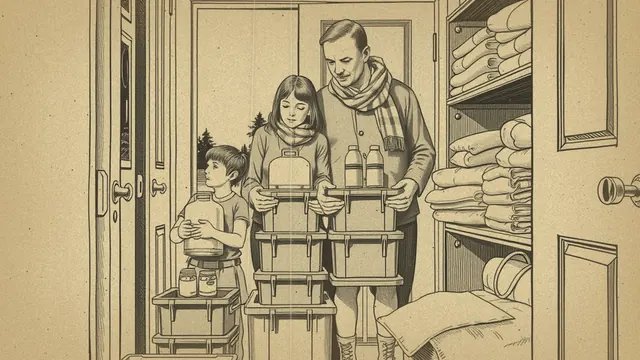
They store it in two plastic bins on the closet floor, with water jugs on a low shelf next to them.
Add what your household needs
The basic list is a starting point. Ready.gov also suggests thinking about your own needs. Common additions:
- Prescription medications and glasses. Talk to your doctor or pharmacist about keeping a backup supply.
- Infant supplies such as formula, bottles, diapers and wipes.
- Pet food, water and supplies.
- Important documents in a waterproof bag, such as insurance policies, IDs and bank records.
- Cash in small bills, since card readers may not work in an outage.
- Sleeping bags or warm blankets, and a change of clothes for each person.
- Fire extinguisher and matches in a waterproof container.
- Hygiene items: soap, toothbrushes, feminine supplies and hand sanitizer.
- Paper plates, cups and utensils, so you don't need water for dishes.
- Activities for children: books, cards or puzzles.
If someone in your home uses hearing aids, a wheelchair, oxygen or other medical equipment, add spare batteries and write down how to reach the supplier.
Build it in four weekends
You don't have to buy everything at once.
- Weekend one: Gather flashlights, batteries, the first aid kit, the can opener and blankets you already own into one bin.
- Weekend two: Buy or fill water containers and set them aside.
- Weekend three: Add three days of food your family already eats, plus a radio.
- Weekend four: Add documents, cash, medications information and the household extras above.
Food that needs no cooking
During an outage you may have no stove, microwave or running water, so choose food that is ready to eat straight from the package. Good picks include canned beans and chili with pull-tab lids, nut butters, crackers, cereal, dried fruit, shelf-stable milk boxes and canned fish. Skip salty snacks as your main food, since they make you thirstier. Pack a few treats too: a familiar cookie or hot cocoa mix can steady a worried child, or adult, on a dark evening. If anyone in your home has a food allergy, diabetes or another medical diet, build the food bin around their needs first.
Where to keep it
Choose a cool, dry, easy-to-reach spot, like a hall closet or the floor of a coat closet. Avoid attics and garages that get very hot. Tell everyone in the home where the kit is, including older children and anyone who stays with you often.
Keep it working
Food, water, batteries and medicines change over time, and kids outgrow clothes. Set two reminders a year to look through the kit. Our guide to maintaining your kit covers what expires and how to rotate it without waste.
How it connects to your other kits
The 72-hour kit is designed for home. If you have to leave quickly, you want a lighter version you can carry. Our bug-out bag guide shows how to shrink this list into an evacuation bag. If you work or study away from home, a get-home bag holds just enough to make that trip safely.
A note on ready-made kits
Pre-packed kits can save time, but read the contents carefully. Some contain small amounts of water or food and use urgent, fear-based selling. Our guide to product red flags explains what to look for before you buy.
No kit guarantees safety. It gives you time and comfort while you follow instructions from local emergency officials. In an emergency, call 911.
Want a guided preparedness plan?
Some people like the structure of a paid guide. This button opens a third-party survival or preparedness program from one of our advertising partners. Its claims are its own, not ours, so weigh them against our red flags checklist.
See the partner program →We may be paid when you click. The program shown can change. Read its terms before you buy anything. How this works
Frequently asked questions
What should be in a 72-hour emergency kit?
The Ready.gov basic list includes water, food, a battery-powered or hand-crank radio, a flashlight, a first aid kit, extra batteries, a whistle, a dust mask, plastic sheeting and duct tape, moist towelettes and garbage bags, a wrench or pliers, a manual can opener, local maps and a phone charger or backup battery. Add medications, documents and items for kids, older adults and pets.
How much water do I need for a 72-hour kit?
Ready.gov recommends at least one gallon per person per day, so a three-day kit needs at least three gallons for each person, with more for children, nursing mothers, sick people and hot climates. Pets need water too.
Where should I keep my 72-hour kit?
Somewhere cool, dry and easy to reach, such as a hall closet or a bin near the door. Make sure everyone in the household knows where it is.