Composting for Beginners: Turn Scraps Into Garden Soil
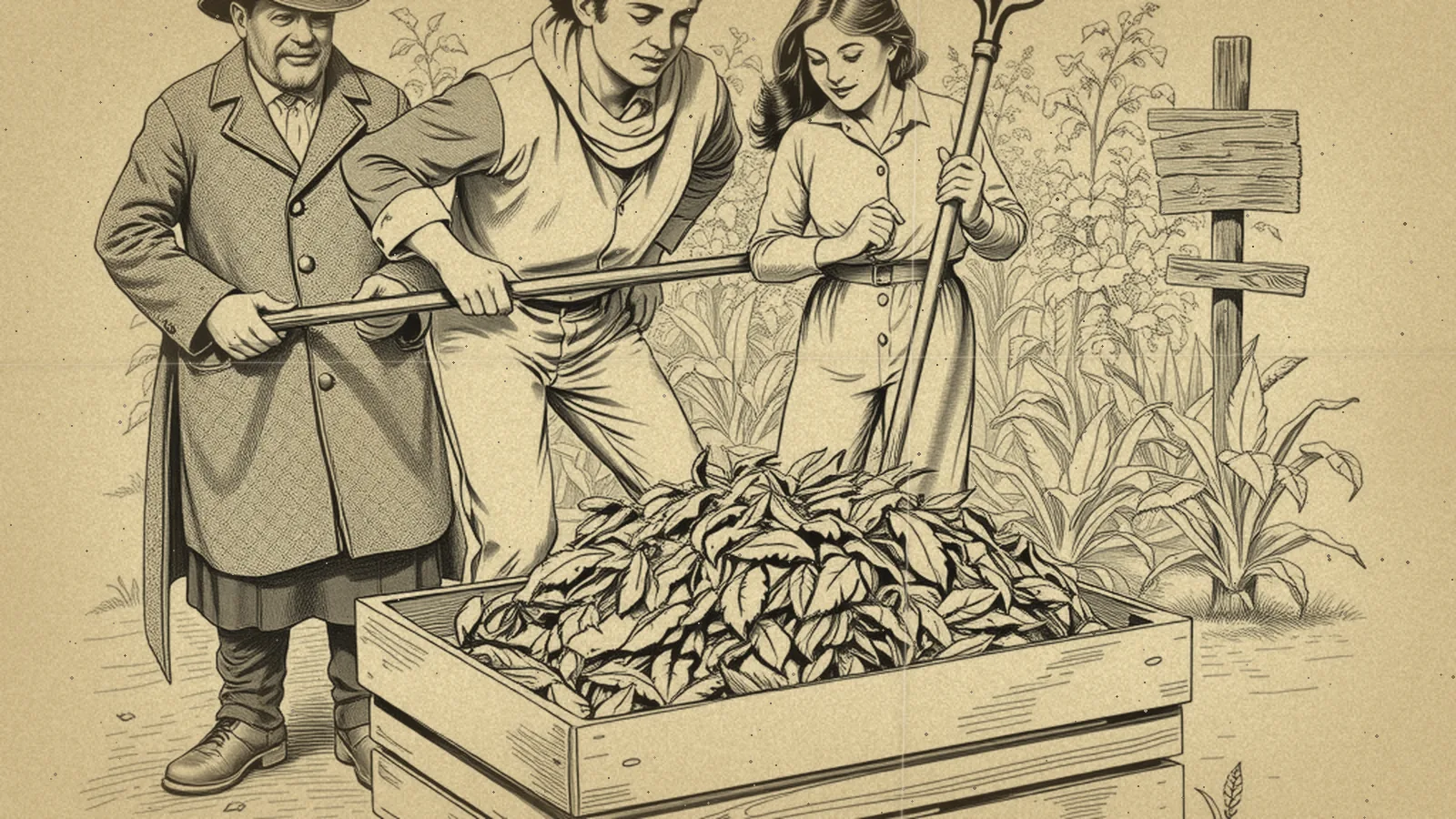
To start composting, pick a bin or a corner of the yard, layer "greens" like vegetable scraps and coffee grounds with "browns" like dry leaves and cardboard, and keep the pile about as damp as a wrung-out sponge. Turn it now and then to add air. In a few months to a year, you'll have dark, crumbly compost to feed your garden.
Composting is one of the most practical, low-cost habits in our Self-Reliance section. It cuts down on trash, builds healthy soil for growing food, and closes the loop between your kitchen and your garden. You don't need much space or special equipment to get started.
How composting works
Compost is made by bacteria, fungi, worms and other tiny helpers that break down plant material. They need four things:
| Ingredient | What it does | Examples |
|---|---|---|
| Greens | Provide nitrogen; fuel fast breakdown | Fruit and vegetable scraps, coffee grounds, fresh grass clippings, plant trimmings |
| Browns | Provide carbon; add structure and air pockets | Dry leaves, straw, shredded cardboard, plain paper, wood chips |
| Water | Keeps microbes alive | Rain, a hose, or a watering can |
| Air | Prevents sour smells | Turning the pile, mixing in coarse browns |
A good rule of thumb is to add more browns than greens by volume. If the pile smells bad or looks slimy, add browns. If it's dry and nothing is happening, add greens and water.
Choosing a composting method
Open pile
The simplest option for a rural yard or big garden. Just pick a level, well-drained spot.
Enclosed bin
A lidded plastic bin or a homemade wooden or wire bin keeps things tidy in a suburban yard and discourages animals.
Tumbler
A barrel on a stand that you spin to mix the contents. Easy on the back, which helps gardeners with limited mobility or older relatives who want to compost without forking a pile.
Worm bin
A small, sealed bin with red wiggler worms that eat kitchen scraps. Works well in apartments, garages or under a sink.
Community compost
Many cities, community gardens and farmers markets accept scraps for composting. A good choice for renters without outdoor space.
Before you start an outdoor pile, check your state and local rules and any homeowners association or lease terms. Some areas require enclosed bins or set limits near property lines.
What to compost and what to skip
Yes:
- Fruit and vegetable scraps
- Coffee grounds and paper filters, loose tea leaves
- Eggshells, crushed
- Dry leaves, straw and plant trimmings
- Plain, uncoated cardboard and paper
- Chicken bedding and manure from plant-eating animals
No:
- Meat, fish and bones
- Dairy, oils and greasy foods
- Dog and cat waste
- Diseased plants or weeds that have gone to seed
- Yard waste treated with herbicides
- Glossy or coated paper
Step by step: build your first pile
- Pick the spot. Somewhere convenient, level and easy to reach with a hose.
- Start with browns. Lay down a coarse base of twigs or straw for airflow.
- Layer greens and browns. Add kitchen scraps and cover each addition with a layer of leaves or shredded cardboard.
- Water as you go. Aim for damp, not soggy.
- Turn it. Every week or two, use a garden fork to move the outside of the pile to the middle.
- Watch and adjust. Too smelly? More browns. Too dry? More water. Slow? More greens and turning.
- Harvest. When the bottom of the pile is dark, crumbly and earthy, sift it and use it.
Keep a lidded container in the kitchen to collect scraps, and empty it every few days.
Chickens and compost
If you keep a small flock, chickens and compost go hand in hand. Used bedding and manure are rich compost ingredients, and hens will happily scratch through a pile looking for bugs. Fresh chicken manure is too strong to put directly on plants and can carry germs, so compost it fully first, and wash your hands after handling it. Our guide to backyard chickens covers whether a flock fits your home.
Using finished compost
- Mix it into garden beds before planting.
- Spread a thin layer around plants as a top dressing.
- Blend it with soil for containers and raised beds.
- Add a little to holes when planting trees and shrubs.
Compost helps soil hold water, which means your garden needs less watering during dry spells. Pairing compost with a rain barrel stretches your water further; see our guide to rainwater harvesting for setup and safety notes.
Composting in a bigger self-reliance plan
Compost fits into a cycle: garden produce feeds you, scraps feed the pile, compost feeds the garden. It also works alongside food storage. Vegetables that soften or sprout in storage can go straight to the bin, which is one reason people who keep a root cellar often keep a compost pile nearby.
On a larger homestead, composting is also a part of handling waste without relying on city services. Our guide to off-grid living basics looks at how power, water, heat and waste fit together. Composting human waste is a separate subject with health risks and strict local rules; don't add it to a garden pile.
If you'd like guided help, your local cooperative extension office and master gardener volunteers often teach free composting classes. Our guide to choosing programs and courses can help you decide when paid instruction is worth it.
A worked example
A family of four in a rented duplex has a small side yard. Their landlord agrees to a lidded bin. They keep a countertop container for scraps and a bag of dry leaves raked in fall next to the bin. Each time they empty scraps, they add a double handful of leaves. The kids take turns stirring the bin on weekends. By the next spring, they have enough finished compost to top-dress two raised beds and a row of tomato pots.
What you can do today
- Set out a lidded container on the kitchen counter for scraps.
- Save a bag of dry leaves, shredded cardboard or straw as your brown supply.
- Check your local rules and choose a method that fits your space.
- Ask your extension office about composting classes or bin discounts.
Composting is forgiving. Even an imperfect pile eventually becomes soil. Start simple, adjust as you go, and your garden will thank you.
Want a guided preparedness plan?
Some people like the structure of a paid guide. This button opens a third-party survival or preparedness program from one of our advertising partners. Its claims are its own, not ours, so weigh them against our red flags checklist.
See the partner program →We may be paid when you click. The program shown can change. Read its terms before you buy anything. How this works
Frequently asked questions
What can I put in a compost bin?
Fruit and vegetable scraps, coffee grounds, tea leaves, eggshells, yard trimmings, dry leaves, straw and plain cardboard all compost well. Skip meat, fish, dairy, greasy foods and pet waste, which attract pests and can carry germs.
How long does compost take?
It depends on the size of the pile, how often you turn it and the weather. An actively managed, well-balanced pile finishes much faster than a pile left alone, which may take a year or more. Compost is ready when it's dark, crumbly and smells like soil.
Can I compost in an apartment?
Yes. A sealed worm bin under a sink or a small indoor bin with a lid can handle kitchen scraps, and many cities run drop-off programs or community garden compost sites.