How to Start a Survival Garden That Actually Feeds You
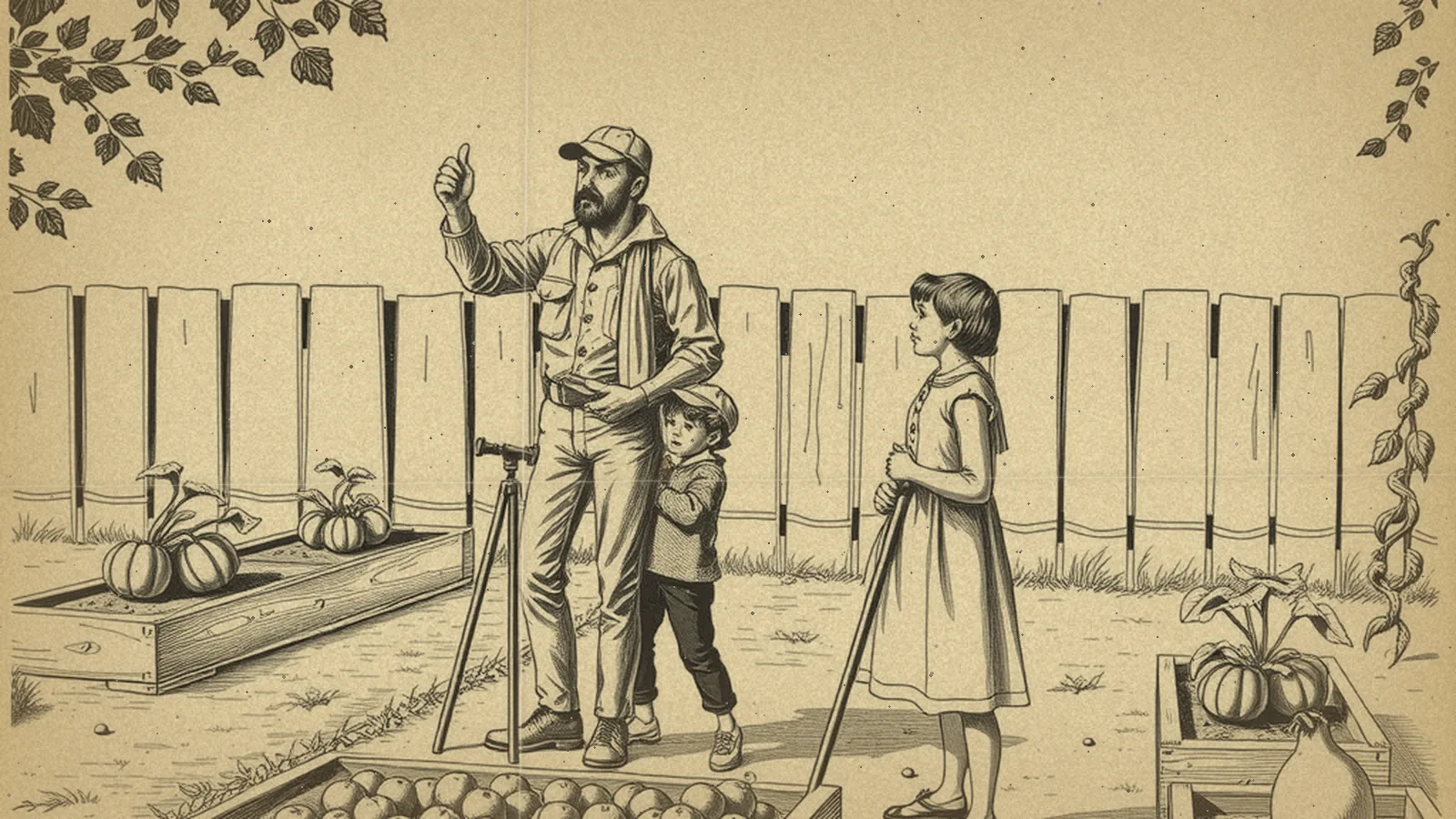
To start a survival garden, choose a sunny spot, build or prepare a small area of good soil, and plant crops that give you real calories and store well: potatoes, sweet potatoes, winter squash, dry beans and corn, plus a few quick greens. Start small in your first season, keep notes, and ask your local cooperative extension office what grows best in your area.
A survival garden is a garden with a purpose. It's part of the steady, practical work in our Self-Reliance section: building skills that make your household a little more resilient every year. It won't replace a stocked pantry, and it doesn't need to. Even a modest harvest stretches your food supply, saves money and teaches you something that's hard to learn from a book.
What makes a garden a "survival" garden
Most beginner gardens are full of lettuce, tomatoes and herbs. Those are wonderful, but they're light on calories and don't keep for long. A survival garden shifts the focus toward:
- Calorie density. Crops that provide starches, proteins and fats.
- Storage life. Harvests that can sit in a cool closet, a basement or a jar for months.
- Reliability. Varieties known to do well in your climate with ordinary care.
- Seed you can save. Open-pollinated varieties that grow true from saved seed.
Crops worth growing
| Crop | Why it earns space | How it stores |
|---|---|---|
| Potatoes | High calories from a small area; grow in ground, bags or bins | Cool, dark, humid storage |
| Sweet potatoes | Thrive in warm climates; leaves are edible too | Warm, dry room after curing |
| Winter squash | Big yields, long keepers | Cool, dry spot indoors |
| Dry beans | Protein; easy to dry and shell | Dry jars or containers |
| Corn for flour or meal | Calories; dries well on the stalk | Dry, pest-proof containers |
| Onions and garlic | Flavor and staying power | Dry, airy storage |
| Kale and collards | Hardy greens for a long season | Best eaten fresh |
| Carrots and beets | Easy roots that hold in cool storage | Cool, humid storage |
Your region changes everything. A family in the Gulf South may lean on sweet potatoes and southern peas, while a household in the northern plains may count on potatoes, cabbage and squash. Your extension office can share planting dates and varieties tested for your area, often for free.
Step-by-step: your first season
- Find the sun. Most vegetables need a spot that gets direct sun for most of the day. Watch your yard or balcony for a full day before deciding.
- Test your soil. Many extension offices offer low-cost soil tests that tell you what your soil needs. If you're in an older home or city lot, ask about testing for lead before growing food in the ground.
- Start small. Two or three raised beds, a row of grow bags, or one community garden plot is plenty for year one.
- Build the soil. Mix in finished compost. Our composting guide shows how to make your own from kitchen scraps and leaves.
- Plant a mix. Pair a couple of calorie crops with quick growers like radishes and greens so you see success early.
- Plan water. Know where your hose reaches, or set up rain barrels where your state and local rules allow.
- Keep a garden journal. Write down what you planted, when, and how it did. Next year's plan comes from these notes.
Small spaces and different households
- Apartment dwellers: Use containers on a balcony or windowsill. Potatoes in large grow bags and bush beans in deep pots work well.
- Renters: Ask your landlord before digging. Raised beds and containers can move with you.
- Gardeners with limited mobility: Raised beds at waist height, wide paths and soaker hoses make gardening easier on knees and backs.
- Families with kids: Give children their own small bed. Fast crops like radishes and peas keep them interested.
- Older relatives: Short rows near the door and lightweight tools help a lot.
Adding protein and soil helpers
A garden and a small flock can support each other: hens eat garden scraps and pests, and their manure, once properly composted, feeds the soil. If you're considering it, read our guide to backyard chickens and check your local rules first.
Keeping the harvest
Growing food is half the job. Storing it is the other half.
- Cool storage: Potatoes, carrots, beets and squash can last for months in the right conditions.
- Drying: Beans, corn and herbs dry well with little equipment.
- Canning: Tomatoes, pickles and jams are popular starting points. Vegetables, beans and other low-acid foods must be pressure canned, not water-bath canned, using tested recipes. Our home canning basics guide explains why and how.
Seeds for next year
Once you've found varieties that do well, save seed from your best plants. Over a few seasons, you'll have seed adapted to your own garden. Our seed-saving guide explains which plants are easiest to start with and how to dry and store seed.
Garden food vs foraged food
Some people start out wanting to gather wild food instead of growing it. Foraging can be a lovely hobby, but it carries real risk if you misidentify a plant. Growing the foods you know is much safer. If you'd still like to learn, read how to forage safely first.
A worked example: a family of four, three beds
Imagine a family of four with a small suburban yard and three raised beds:
- Bed 1: Potatoes in spring, followed by a fall planting of kale and garlic.
- Bed 2: Pole beans for drying, trained up a simple trellis, with onions along the edge.
- Bed 3: Two winter squash plants allowed to sprawl over the bed edge into the lawn.
- Containers: Herbs and salad greens near the kitchen door.
This won't feed the family for a year, but it can add many meals of potatoes, beans and squash to the pantry, and it builds the knowledge they'd need to grow more.
What you can do today
- Look up your county's cooperative extension office and save its number.
- Walk your space and note where the sun falls in the morning, at noon and late afternoon.
- Choose two calorie crops and one quick crop for your first season.
- Start a garden notebook, even if planting is months away.
A survival garden is built one season at a time. Start where you are, learn from what grows, and let each harvest teach you something for the next.
Want a guided preparedness plan?
Some people like the structure of a paid guide. This button opens a third-party survival or preparedness program from one of our advertising partners. Its claims are its own, not ours, so weigh them against our red flags checklist.
See the partner program →We may be paid when you click. The program shown can change. Read its terms before you buy anything. How this works
Frequently asked questions
What is a survival garden?
It's a garden planned around crops that provide real calories and store well, like potatoes, winter squash, dry beans and corn, rather than mainly salad greens. It supplements your pantry and builds a skill; it doesn't replace stored food.
How big does a survival garden need to be?
Feeding a household entirely from a garden takes far more space and experience than most people have, so start small. A few beds or containers in your first year teach you your soil, climate and pests, and you can expand from there.
Can I grow a survival garden in an apartment?
Yes, on a smaller scale. A sunny balcony can grow potatoes in grow bags, bush beans, herbs and greens in containers, and a community garden plot can add space for squash and corn.