How to Start a Fire Without Matches (and Keep It Safe)
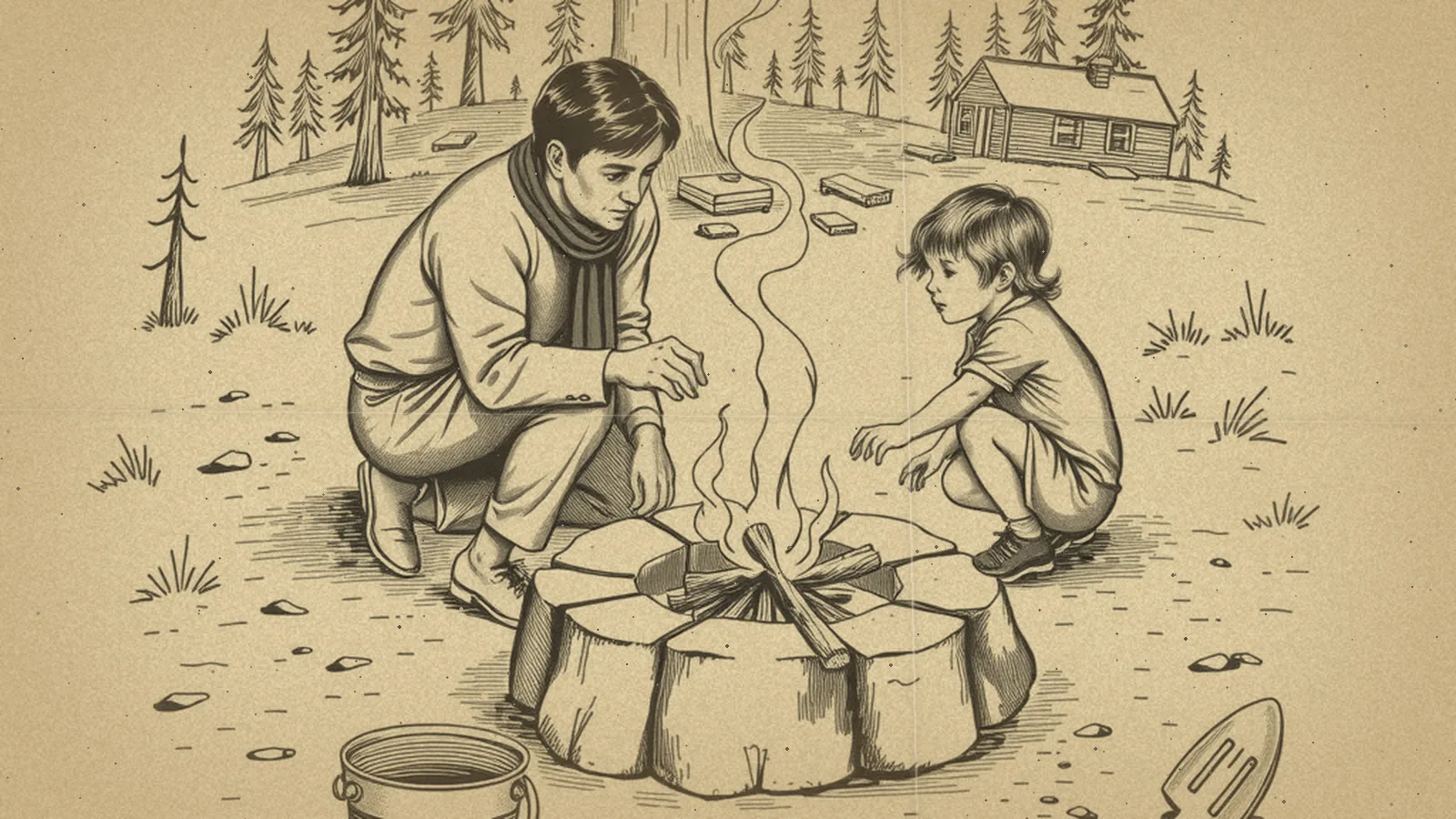
To start a fire without matches, the most reliable beginner method is a ferro rod: scrape it firmly to throw hot sparks into a nest of dry, fluffy tinder, blow gently once it glows, then feed in small sticks before adding larger wood. Just as important as the method is the setting. Build fires only outdoors in a safe spot, check for burn bans first, and never burn anything indoors except in a proper fireplace or wood stove.
Fire starting is one of the classic outdoor skills in our Self-Reliance section. It's a satisfying skill to practice on a camping trip, and it builds real confidence. It also carries real risk, so safety comes first in every step below.
Safety before the first spark
Before you light anything, run through this checklist:
- Check for burn bans. Fire restrictions change with the weather and season. Check your state and local rules, and look for notices from your fire department, county or land agency.
- Use an existing fire ring or pit at a campground or in your yard where local rules allow.
- Clear the area of dry grass, leaves and anything that could catch, and keep well away from tents, overhanging branches, fences and buildings.
- Have water and a shovel ready before you start, not after.
- Watch the wind. Skip the fire on dry, windy days, even if no ban is posted.
- Never leave a fire unattended, even for a minute.
- Supervise kids closely and teach them to stay a safe distance back.
Fire never belongs indoors (with one exception)
During a winter outage, it can be tempting to bring warmth inside. Don't. The only safe indoor fire is in a fireplace or wood stove that was designed and installed for burning and is kept in good repair. Never use a grill, camp stove, charcoal or a gas oven to heat your home, even with windows open. These cause carbon monoxide poisoning and house fires. Our generator safety guide explains carbon monoxide risks and alarms in detail.
What you need: the fire triangle
Every fire needs three things: heat, fuel and air. Take away any one and the fire goes out. That's useful for lighting a fire and for putting one out.
Gather your fuel in three sizes before you strike a single spark:
| Fuel | What it looks like | Examples |
|---|---|---|
| Tinder | Fine, dry, fluffy material that catches a spark | Dry grass, birch bark shavings, cattail fluff, dryer lint, cotton balls with petroleum jelly |
| Kindling | Pencil-lead to thumb-thick dry sticks | Dead twigs that snap cleanly, split pieces of dry wood |
| Fuel wood | Wrist-thick and larger | Dead, dry branches and split firewood |
Gather about twice as much tinder and kindling as you think you'll need. Running out while the fire is still small is the most common reason it dies.
How to use a ferro rod, step by step
A ferrocerium rod throws very hot sparks and works when wet, which makes it a favorite for kits.
- Build a loose, fist-sized nest of tinder on a dry base, like a piece of bark.
- Place the tip of the rod in the tinder, angled down.
- Hold the scraper (or the back of a knife) firmly against the rod.
- Instead of pushing the scraper forward, pull the rod back toward you. This keeps you from knocking the tinder apart.
- Repeat until a spark catches and the tinder starts to glow or flame.
- Gently blow at the base of the glow to feed it air.
- Add the smallest kindling in a teepee shape, then gradually larger pieces.
- Add fuel wood only once the kindling is burning strongly.
Other ways to start a fire without matches
- Lighters: cheap, reliable and simple. Keep a couple in your kit, along with a ferro rod as backup.
- Flint and steel: the traditional method. It needs char cloth or very fine tinder and takes practice.
- Magnifying lens: focuses sunlight into a small, hot point on dark tinder. It only works in bright sun.
- Battery and fine steel wool: touching both battery terminals to the steel wool makes it glow. Keep batteries and steel wool stored apart so they can't touch by accident.
- Friction methods like a bow drill: rewarding to learn, but slow and hard. Treat these as a hobby skill, not an emergency plan.
For real preparedness, the best "without matches" plan is having several kinds of ignition in your kit and knowing how to use each one.
Putting a fire out completely
A fire that looks out can still hide hot embers that flare up hours later. Follow the "drown, stir, feel" approach many fire agencies teach:
- Drown the fire with plenty of water.
- Stir the ashes and embers with a shovel.
- Drown it again.
- Feel carefully with the back of your hand held near the ashes. If you feel heat, repeat.
If it's still too hot to touch, it's too hot to leave.
If someone gets burned
Cool a minor burn under cool running water, not ice, and cover it loosely. Call 911 for large, deep or facial burns. Our guide to treating burns covers what to do and what to avoid.
Worked example: a family practice night
A dad and his two kids, ages 10 and 13, plan a fire-starting evening at a state park campground. Before they go, they check the park's fire rules online and confirm there's no burn ban. At the site they use the metal fire ring, set out a full water bucket and a shovel, and each kid builds a tinder bundle. The 13-year-old gets a flame on the fourth try with the ferro rod. They cook foil-packet dinners, then drown, stir and feel until the ring is cold.
How fire skills connect to other skills
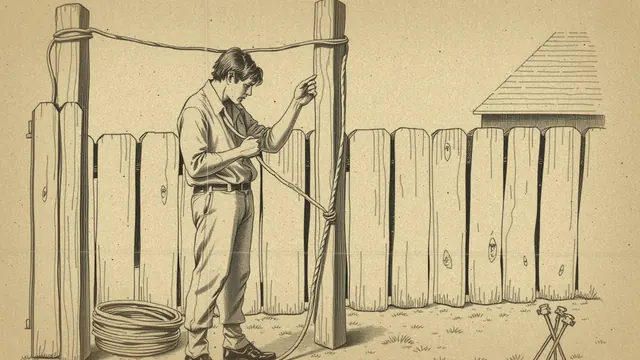
Fire is one piece of a bigger outdoor toolkit. Knots everyone should know helps you rig a tarp to keep your tinder and wood dry. Navigation without GPS helps you get to and from your campsite when a phone signal isn't available. And our overview of survival skills shows where fire fits among the skills that matter most in everyday emergencies.
At home during an outage, you rarely need an open fire to eat well. Our guide to cooking without power covers safer options, like camp stoves used outdoors and no-cook meals.
Want a guided preparedness plan?
Some people like the structure of a paid guide. This button opens a third-party survival or preparedness program from one of our advertising partners. Its claims are its own, not ours, so weigh them against our red flags checklist.
See the partner program →We may be paid when you click. The program shown can change. Read its terms before you buy anything. How this works
Frequently asked questions
What is the easiest way to start a fire without matches?
For most beginners, a ferrocerium rod (ferro rod) and very dry, fluffy tinder is the most reliable method. Scrape the rod firmly to throw hot sparks into the tinder, then add small kindling as it catches.
Can I build a fire during a burn ban?
No. Burn bans and fire restrictions exist because conditions make fires likely to spread. Check your state and local rules, and follow the restrictions posted by your fire department or land agency.
Is it safe to start a fire indoors during a power outage?
Only in a fireplace or wood stove that was built and installed for that purpose and is in good working order. Never burn anything in other indoor spaces, and never bring grills or camp stoves inside, because of fire and carbon monoxide danger.