Prepping for Beginners: A Calm Way to Get Started
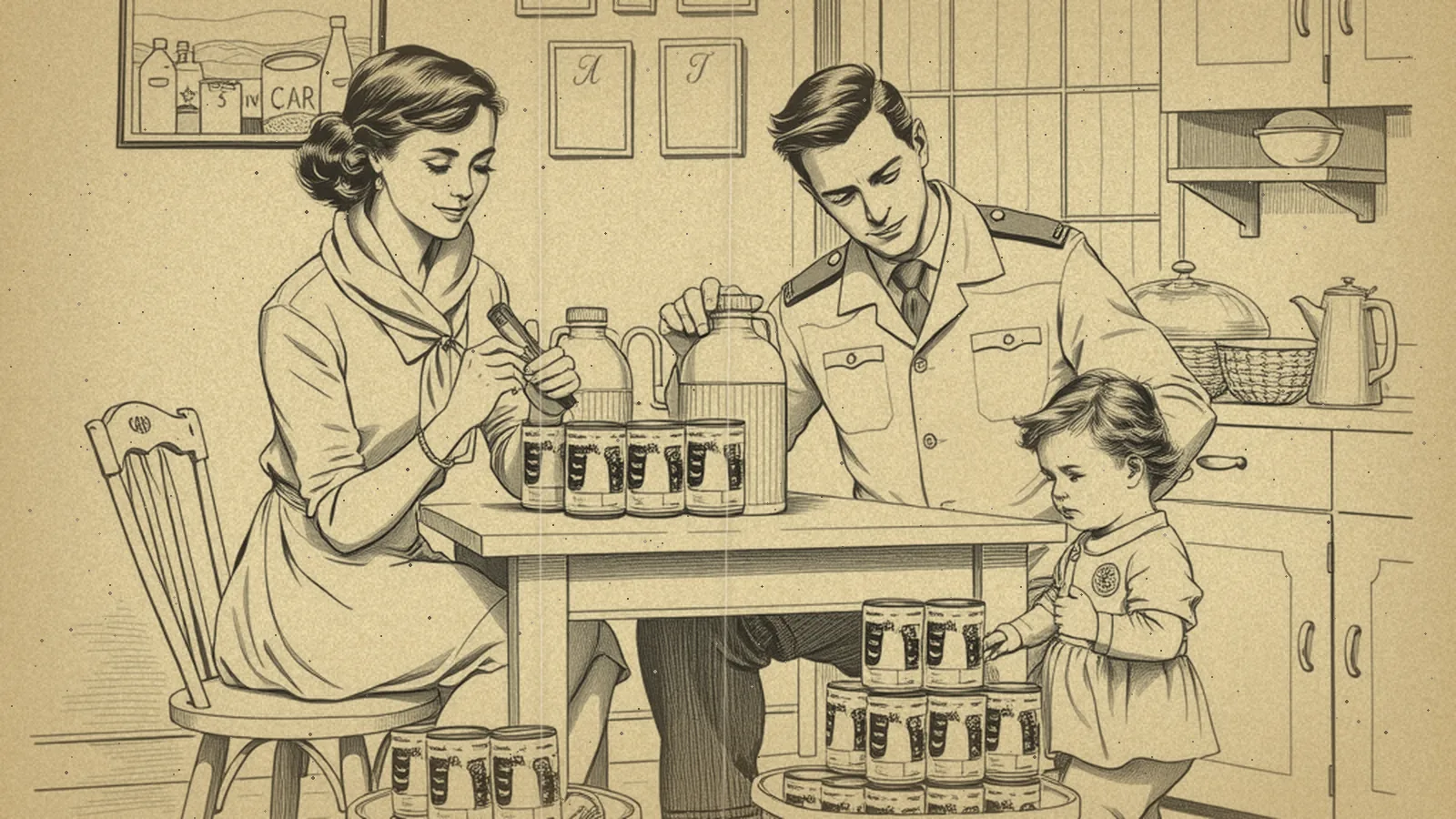
Prepping for beginners comes down to four things: store water, keep a few days of food you'll actually eat, put together a basic kit, and make a simple family plan. You don't need special gear, a big budget or a bunker. You need a short list and a steady habit of working through it.
Preparedness is one of the core skills in our Self-Reliance section, and it starts small. The goal is not to be ready for everything. It's to be ready for the things that really happen where you live, like a three-day power outage, a winter storm or a flood that closes the roads.
Why start now (without the panic)
Emergencies feel less scary when you have already decided what you'll do. A household with water in the closet and a plan on the fridge can treat an outage as an inconvenience instead of a crisis. That's the whole point. Prepping is a way to buy yourself calm in advance.
If you came here after a frightening video or headline, take a breath. Nothing on this page depends on predicting the future. It's the same kind of planning people do when they buy insurance or keep a spare tire.
The four foundations
1. Water
Water comes first because you can't go long without it and it disappears fast during a disruption. Ready.gov's basic guideline is a gallon per person per day, and our guide to how much water to store walks through the math for your household, including pets.
2. Food
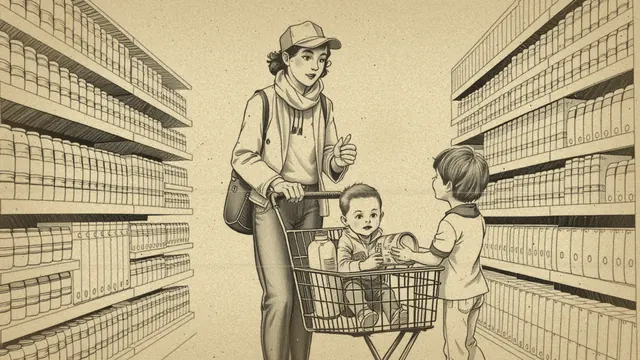
Pick shelf-stable foods your family already eats: canned beans and soup, peanut butter, crackers, oatmeal, dried fruit, shelf-stable milk. Store what you eat, eat what you store. Start with three days, then grow toward two weeks.
3. A basic kit
A kit is a container of supplies you can grab or use at home: flashlight, extra batteries, a battery-powered or hand-crank radio, first aid supplies, medications, a whistle, a manual can opener and phone chargers. The full list, item by item, is in our 72-hour kit checklist.
4. A plan
Decide where your family will meet if you're separated, who your out-of-area contact is, and how you'll get alerts. Write it down. Practice it once. Always follow evacuation orders and instructions from your local emergency officials.
A month-by-month starter path
Small, regular steps beat one giant shopping trip. Here's a gentle pace that works for most households.
| Month | Focus | One task per week |
|---|---|---|
| 1 | Water | Week 1: count people and pets. Week 2: buy or fill containers. Week 3: label with dates. Week 4: choose a cool, dark spot. |
| 2 | Food | Buy two or three extra cans or boxes on each regular grocery trip until you have three days for everyone. |
| 3 | Kit | Gather what you already own into one bin, then make a short list of what's missing. |
| 4 | Plan | Hold a 20-minute family meeting, fill out contact cards and walk your exit routes. |
After month four, you have a real foundation. From there you can add skills, extend your supplies or tackle the risks that are specific to your area.
A worked example: a family of four in an apartment
Picture two adults, a seven-year-old and a toddler in a second-floor apartment with a cat. Closet space is tight. Here's how they might start:
- Water: a few cases of bottled water under the beds and two stackable jugs in the coat closet.
- Food: one shelf in the pantry labeled "outage food," with cereal, canned pasta, applesauce cups, crackers, peanut butter and enough formula and diapers for the toddler.
- Kit: a single plastic tote with a lantern, headlamps, a hand-crank radio, a first aid kit, spare glasses and copies of prescriptions.
- Cat: a carrier by the door, a small bag of food and a copy of vaccination records.
- Plan: the kids know the building's two stairwells and the name of the neighbor down the hall who can help.
Nothing in that list is dramatic. It's just organized.
Mistakes beginners commonly make
- Buying a big pre-packed bundle first. It's tempting, but you may end up with food nobody likes and gear you don't know how to use. Build from what you have.
- Forgetting medications and personal needs. Glasses, hearing aid batteries, mobility aids, baby supplies and pet food matter more than gadgets.
- Storing and forgetting. Set a reminder twice a year to check dates and swap out anything that's close to expiring.
- Skipping the plan. Supplies don't help much if no one knows where they are.
- Trying to do it all alone. Neighbors, friends and community groups make every household stronger.
Your first-day checklist
You can do all of this today, for free:
- Walk through your home and gather flashlights, batteries and first aid supplies into one spot.
- Write down three phone numbers you'd need if your phone died.
- Check that your phone has emergency alerts turned on.
- Pick a family meeting place outside your home and one outside your neighborhood.
- Make a list of medications and their doses for each person (from the label, not from memory).
- Put a pair of sturdy shoes and a flashlight next to each bed.
Where to go next
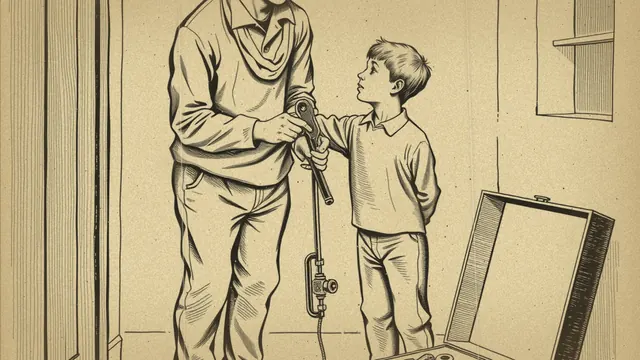
Once the basics are in place, three guides make a natural next step. Prepping on a budget shows how to keep going on a few dollars a week, so cost never becomes the reason you stop. The prepper mindset helps you stay calm and steady, especially if scary content online makes you want to rush. And essential tools covers the handful of hand tools, like a utility shutoff wrench, that are worth having before you need them.
If you're thinking about paying for a course or guide, our Choosing a Program section explains how to tell useful training from expensive noise. Plenty of the best preparedness information is free.
Want a guided preparedness plan?
Some people like the structure of a paid guide. This button opens a third-party survival or preparedness program from one of our advertising partners. Its claims are its own, not ours, so weigh them against our red flags checklist.
See the partner program →We may be paid when you click. The program shown can change. Read its terms before you buy anything. How this works
Frequently asked questions
What should a beginner prepper buy first?
Start with water, then a few days of food you already like to eat, then a flashlight, a radio and a first aid kit. Many of these are already in your home, so gather before you buy.
How long does it take to get prepared?
There's no finish line, but most households can cover the basics for a few days within a month or two by doing one small task each week. After that, you build slowly and keep things fresh.
Is prepping only for people who expect a disaster?
No. Most preparedness is for ordinary disruptions like storms, power outages and a sudden illness in the family. Being ready for those simply makes hard days easier.