First Aid & Health: Caring for Your Household in an Emergency
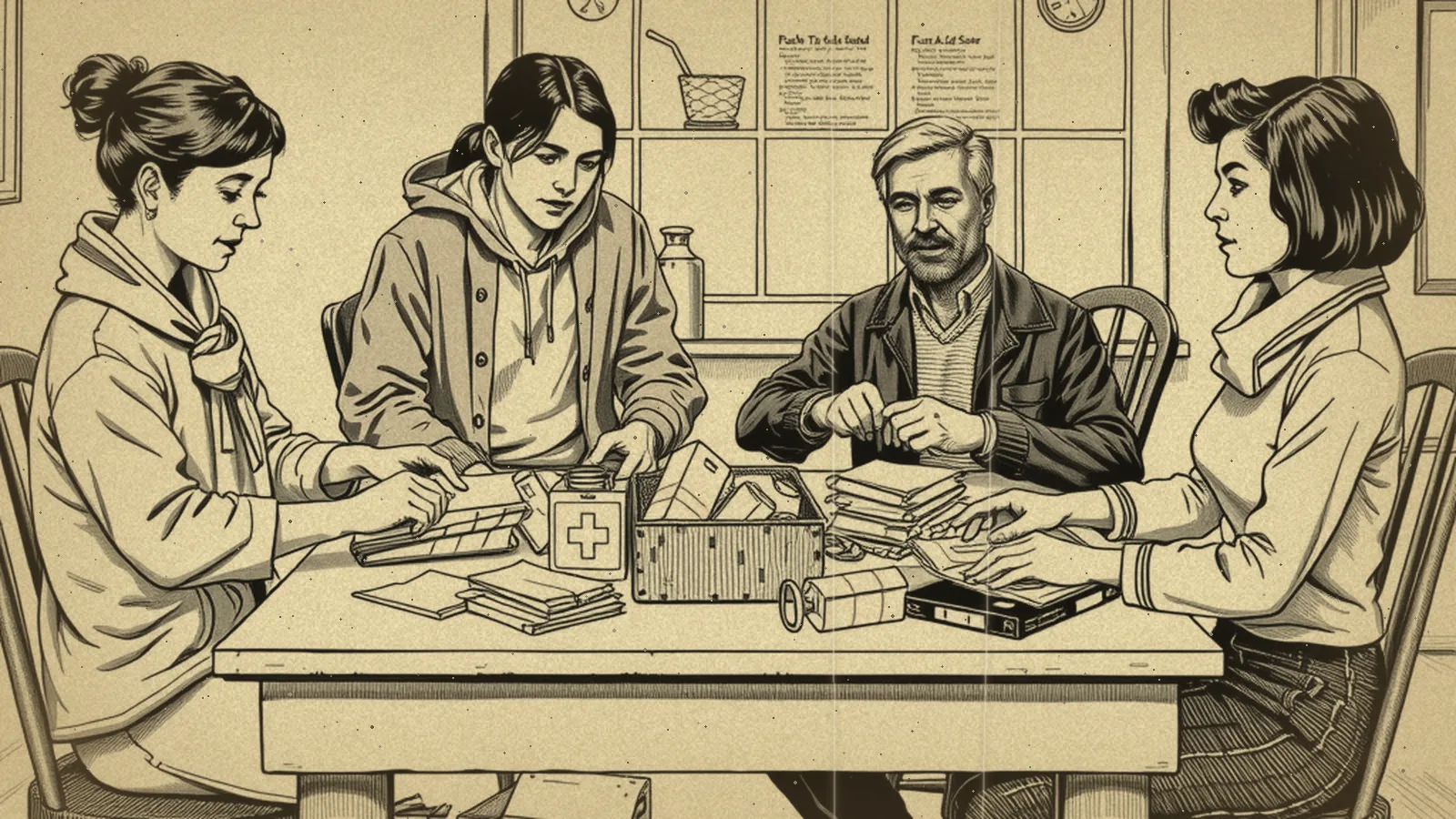
First aid in an emergency comes down to a few skills that buy time: calling for help, keeping blood and oxygen moving, protecting someone from heat or cold, and keeping your household clean and healthy until things return to normal. This section covers those skills in plain language, along with the health side of preparedness, like medications, sanitation, food safety and how people cope afterward.
Storms, outages and floods can slow down ambulances and close clinics for a while. That is exactly when a calm person with basic skills makes the biggest difference, whether that's a parent in an apartment, a rural neighbor down a long gravel road, or a grown child checking on an older relative.
 Basic First Aid SkillsThe handful of first aid skills that matter most, when to call 911, and where to learn them hands-on.
 Stop the BleedPressure, wound packing and tourniquets as the Stop the Bleed campaign teaches them, and how to take the class.
 CPR BasicsCall 911, push hard and fast, use an AED: the American Heart Association's hands-only CPR steps explained.
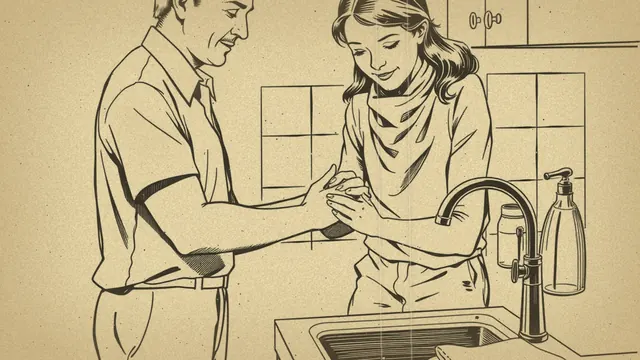 Treating BurnsCool running water, a loose cover, and the signs that a burn needs emergency care.
 Hypothermia & Cold InjuriesSpot hypothermia and frostbite early, warm someone safely, and know when cold becomes a 911 call.
 Heat IllnessTell heat exhaustion from heat stroke, cool someone down fast, and know when to call 911.
 Carbon Monoxide PoisoningKnow the signs of carbon monoxide poisoning, where it comes from in outages and what to do in the first minute.
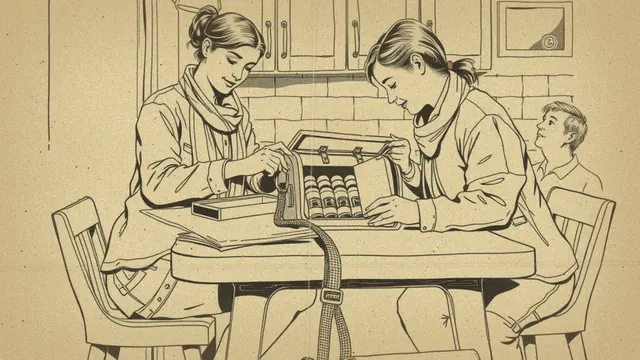 Medications in EmergenciesWork with your doctor and pharmacist to keep medicines, lists and backup plans ready before a disaster.
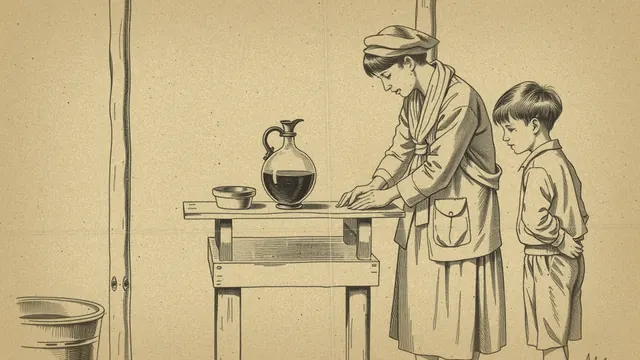 Sanitation and HygieneSet up a bucket toilet, keep hands clean without a faucet and stop germs from spreading during an emergency.
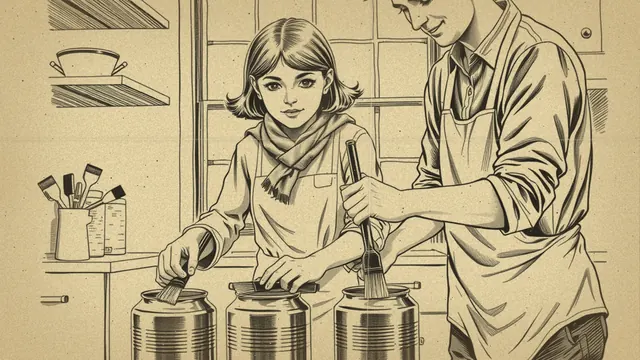 Food Safety in EmergenciesWhat to throw out after floodwater, which cans you can save and how to clean them before eating.
 Mental Health After DisastersCommon stress reactions after a disaster, how to help kids, and where to find support when you need it.
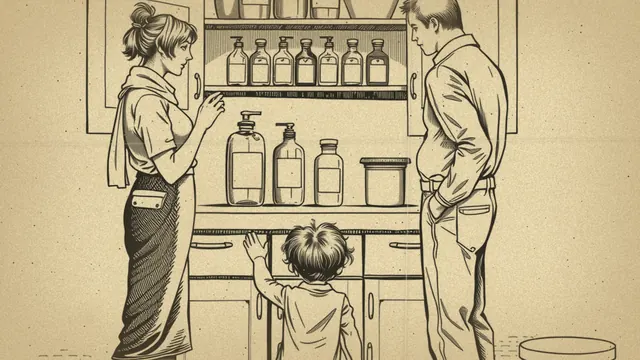 Poison and Toxic ExposureWhen to call 911 or Poison Control, first steps for common exposures, and chemical risks after a disaster.
Where to start if you're new to this
You don't need to learn everything at once. A sensible order looks like this:
- Learn when to call 911. Most first aid starts with a phone call. Save your home address and nearest cross streets in your phone's notes so you can read them out under stress.
- Learn hands-only CPR and how to use an AED. These are the skills most likely to matter for an adult who suddenly stops responding.
- Learn to control serious bleeding. Pressure, packing and tourniquets are taught in short, often free, community classes.
- Stock a first aid kit you know how to use. Our first aid kit checklist covers home, car and grab-and-go versions.
- Plan for the health needs in your own home. That might be an inhaler, a refrigerated medicine, a powered wheelchair, a baby's formula or a pet's prescription.
Which guide fits your situation
| If you're thinking about... | Start with |
|---|---|
| What everyone in the house should know | Basic first aid skills |
| Someone who stops responding and isn't breathing normally | CPR basics |
| A serious cut or injury | Stop the Bleed |
| Kitchen, camp stove or candle accidents | Treating burns |
| A winter outage or a cold, wet evacuation | Hypothermia and cold injuries |
| A heat wave with no air conditioning | Heat illness |
| Generators, grills or heaters during an outage | Carbon monoxide poisoning |
| Prescriptions, refills and refrigerated medicine | Medications in emergencies |
| Toilets, handwashing and illness prevention | Sanitation and hygiene |
| Food after a flood or long outage | Food safety in emergencies |
| Stress, sleep and kids after a disaster | Mental health after disasters |
| Chemicals, cleaning products or wild plants | Poison and toxic exposure |
How health connects to the rest of your plan
First aid doesn't stand alone. Many health problems during emergencies come from the conditions around them, so the other sections of Ready Roots matter here too.
- Power outages bring cold homes, hot homes, spoiled food and generator risks. Our guides to staying warm without power and staying cool without power help prevent the cold and heat injuries described in this section.
- Clean water keeps wounds, hands and food safe. If your tap water isn't trustworthy, see how to purify water.
- Your family plan should name who holds the first aid kit, who knows CPR and who checks on a neighbor who lives alone. The family emergency plan guide walks through those roles.
Phone numbers to keep by the kit
Write these on an index card and tape it inside your first aid kit lid, and save them in every phone in the house.
- 911 for any emergency.
- Poison Control: 1-800-222-1222, for swallowed, inhaled or splashed chemicals and medicine mix-ups.
- Disaster Distress Helpline: call or text 1-800-985-5990, for emotional support during and after a disaster.
- 988 Suicide & Crisis Lifeline: call or text 988. If you're in crisis in the US, call or text 988 (Suicide & Crisis Lifeline).
Choosing a class
A few hours of practice on a manikin will teach you more than any article. Classes are offered by the Red Cross, the American Heart Association, Stop the Bleed instructors, many fire departments, hospitals and community colleges, and sometimes through the CERT volunteer program. Many workplaces will pay for them.
If you're comparing paid options, our guide to choosing a program explains how to tell a solid, hands-on course from one that only sells fear or a certificate. Look for in-person practice, a recognized curriculum, and an instructor who encourages questions.
What to do today
- Save your address and the numbers above in your phone.
- Find out whether your workplace, school or place of worship has an AED, and where it hangs.
- Open your first aid kit and check what's expired.
- Look up one class near you and put it on the calendar.
- Ask the people you live with which health needs would be hardest to manage without power for a few days, and write those down.
Being ready to help doesn't mean expecting the worst. It means that if a neighbor slips on the ice or a child touches a hot camp stove, you'll know what to do next and feel steady while you do it.
Want a guided preparedness plan?
Some people like the structure of a paid guide. This button opens a third-party survival or preparedness program from one of our advertising partners. Its claims are its own, not ours, so weigh them against our red flags checklist.
See the partner program →We may be paid when you click. The program shown can change. Read its terms before you buy anything. How this works
Frequently asked questions
What first aid skills should everyone learn first?
Start with knowing when and how to call 911, hands-only CPR, and how to control serious bleeding. A hands-on class from the Red Cross, the American Heart Association or a Stop the Bleed instructor teaches all three in a few hours.
Is this section a substitute for a first aid class?
No. These guides help you understand the basics and plan ahead, but they are not medical advice and cannot replace hands-on training. In any emergency, call 911 first.