Essential Survival Tools for Every Home
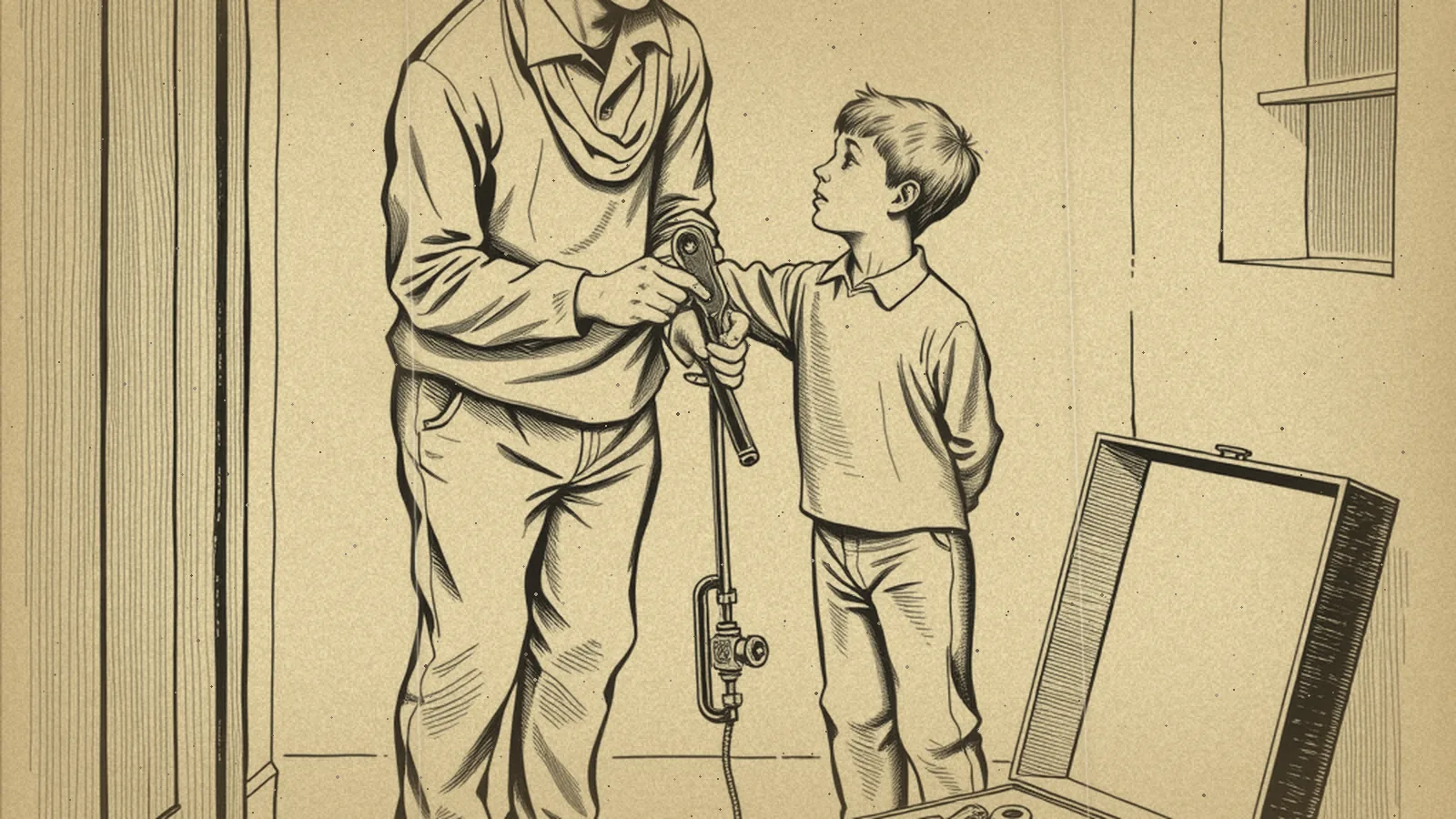
The essential survival tools for home are mostly ordinary ones: a hammer, screwdrivers, an adjustable wrench, pliers, a utility knife, a multi-tool, a flashlight or headlamp, duct tape, work gloves, and a wrench that fits your gas and water shutoffs. Keep them together in one known spot, learn where your utility shutoffs are, and practice using each tool before an emergency.
Tools are a foundation of our Self-Reliance section because almost every other skill depends on them, from tarping a leaky roof after a storm to tightening a rain barrel fitting. You don't need specialty gear. A well-chosen, well-kept set of everyday tools does most of the work.
The core home toolkit
| Tool | Why it matters in an emergency |
|---|---|
| Claw hammer | Secure boards, pull nails, make quick repairs |
| Screwdriver set (flat and Phillips) | Open battery compartments, tighten hinges and fixtures |
| Adjustable wrench | Turn utility shutoffs, tighten fittings |
| Slip-joint and locking pliers | Grip, bend and hold; backup for shutoffs |
| Utility knife with spare blades | Cut tarps, rope, cardboard and plastic sheeting |
| Multi-tool | A pocket-sized backup for small jobs on the go |
| Tape measure | Measure for plywood, plastic sheeting or tarps |
| Flashlight or headlamp | Hands-free light during outages |
| Duct tape | Patch, seal and secure almost anything |
| Work gloves | Protect hands during cleanup |
| Pry bar | Open stuck doors and windows, move debris |
| Handsaw | Cut branches and lumber without power |
Utility shutoff tools
The basic kit list from Ready.gov includes a wrench or pliers for turning off utilities; see the full list in our 72-hour kit guide. Knowing how and when to use it is just as important as owning it.
- Find your shutoffs. Locate your main water valve, your electrical panel and, if you have gas service, the gas meter shutoff.
- Match the tool. Make sure your wrench actually fits the gas valve and the water valve. Some households keep a dedicated shutoff wrench tied right next to the meter.
- Label them. Tag each shutoff and add a note in your emergency plan.
- Teach the household. Show every capable adult and older teen where they are.
Water shutoffs are useful during a burst pipe or before a hard freeze. Electrical breakers can be shut off if you see sparks or frayed wiring, but never touch the panel while standing in water.
Lighting and power
- Flashlights and headlamps for each person
- Extra batteries, stored in a cool, dry place
- A battery or hand-crank lantern for shared light
- A battery-powered or hand-crank radio
Avoid relying on candles; they're a common cause of home fires during outages.
Repair and cleanup supplies
- Heavy-duty tarps and plastic sheeting
- Duct tape and zip ties
- Rope or paracord
- A bucket, broom, shovel and contractor bags
- Dust masks and safety glasses
- A fire extinguisher, checked regularly
Outdoor and garden tools
If you garden, keep livestock or heat with wood, a few more tools earn their place:
- Spade and digging fork
- Garden rake and hoe
- Pruning shears and a bow saw
- Wheelbarrow
- Splitting maul and wedges for firewood, with eye protection
These are the backbone of projects like gardens, compost piles and cold storage. Our guide to off-grid living basics shows how tools tie together systems for power, water, heat and waste.
Building a toolkit without overspending
You likely own several of these already. Gather what you have, then fill gaps over time. Garage sales, estate sales and hardware store sales are good sources for sturdy secondhand hand tools. Our guide to prepping on a budget has more ideas for building supplies a little at a time.
If you're just getting started with preparedness overall, tools are one piece of a bigger picture that includes water, food, a kit and a plan. Our prepping for beginners guide puts those pieces in order.
Different homes, different kits
- Apartment dwellers: A compact kit in a single tote, plus a flashlight in each room. Ask your building manager where shutoffs are and who controls them.
- Rural families: Add fencing pliers, a come-along, chains and extra fuel storage done safely outdoors.
- Older adults and people with limited grip strength: Look for tools with large, cushioned handles, a lightweight cordless drill with spare charged batteries, and a reacher grabber.
- Households with kids: Keep sharp tools locked or out of reach, and give older kids their own flashlight and a simple job.
Storing and maintaining tools
- Keep them in one place. A sturdy toolbox or a labeled tote near an exit.
- Protect from rust. Wipe metal tools dry and store them away from damp floors.
- Sharpen blades. Dull knives and saws are harder to use safely.
- Check batteries. Test flashlights and replace batteries on a schedule.
- Review twice a year. Many families do this when clocks change. Our guide to maintaining your kit has a simple checklist that works for tools too.
Learn to use them
A tool you've never used is less helpful than you'd think. Practice on small projects: replace a cabinet hinge, patch a hole, cut a branch with a handsaw. Hardware stores, community colleges and your local cooperative extension office sometimes offer beginner home repair or gardening workshops.
A worked example
A single parent with two kids in a small rental gathers a hammer, two screwdrivers, an adjustable wrench, pliers and a utility knife already scattered around the home into one tote. Over the next two months, they add a headlamp for each person, a roll of duct tape, a tarp and work gloves. With the landlord, they locate the water shutoff and gas meter, check that the wrench fits both, and show the older child where everything lives.
What you can do today
- Walk your home and find your water, gas and electrical shutoffs.
- Gather the tools you already own into one box or tote.
- Check that a wrench in your kit fits your shutoff valves.
- Put a flashlight in a spot you can reach in the dark.
Good tools don't guarantee an easy emergency, but they make countless small problems manageable. Start with what you own, add steadily, and practice until each one feels familiar in your hands.
Want a guided preparedness plan?
Some people like the structure of a paid guide. This button opens a third-party survival or preparedness program from one of our advertising partners. Its claims are its own, not ours, so weigh them against our red flags checklist.
See the partner program →We may be paid when you click. The program shown can change. Read its terms before you buy anything. How this works
Frequently asked questions
What tools should every home have for emergencies?
Start with a hammer, screwdrivers, adjustable wrench, pliers, utility knife, tape measure, a multi-tool, a flashlight or headlamp, duct tape and work gloves. Add a wrench or pliers that fit your gas and water shutoffs, and keep it where you can find it in the dark.
Should I turn off my gas after a disaster?
Only if you smell gas, hear a hissing sound, or officials tell you to. Once the gas is off, a professional from your utility must turn it back on and relight pilot lights, so don't shut it off as a precaution.
Do I need expensive survival gear?
No. Ordinary, sturdy household tools do most of the work in an emergency. Buy quality basics you'll use year-round, and learn to use them before you need them.