Food Storage: Building an Emergency Food Supply You Will Actually Eat
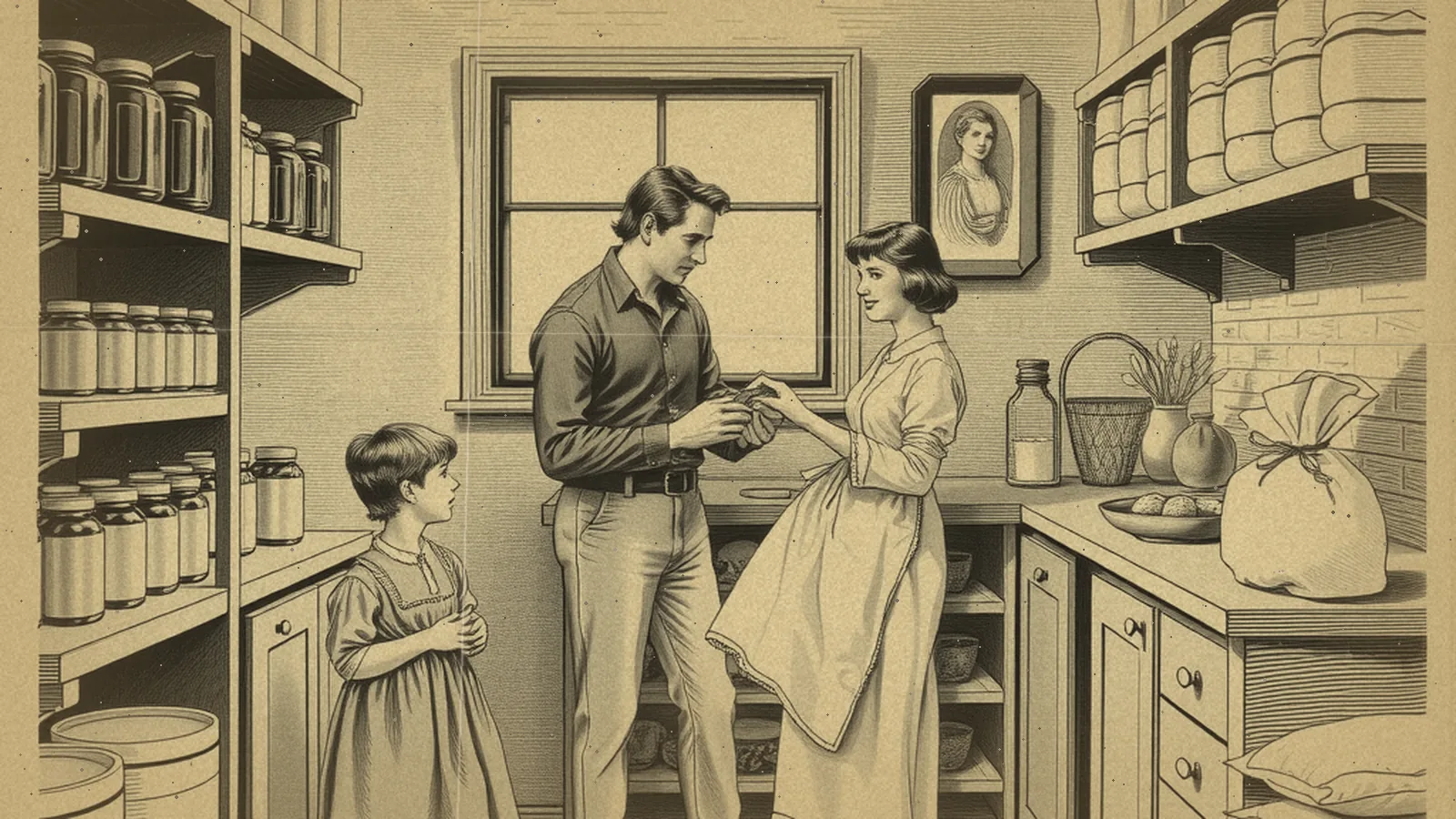
A home food supply is simply extra food you already like to eat, stored well and used in order, so a storm, outage or job loss does not turn into a scramble at the grocery store. You do not need a bunker, a basement full of buckets or a big budget. Most families start with a few days of no-cook meals, grow to about two weeks, and then decide whether deeper storage makes sense for them.
If you landed here after a video or headline that made you uneasy, that feeling is understandable. The good news is that food storage is one of the most calming projects in preparedness. Every can you put on a shelf is a small, real step, and none of it requires predicting anything. It just means being ready for the ordinary disruptions that really happen, like a week of snowed-in roads or a few days without power.
 Emergency Food SupplyA starter list by food group, plus an easy way to figure out how much to keep for 3 days and 2 weeks.
 Two-Week Food SupplyPlan two weeks of real meals with a simple menu method and a sample table for a family of four.
 Long-Term Food StorageHow bulk dry staples are chosen, packed and stored so they keep for the long haul.
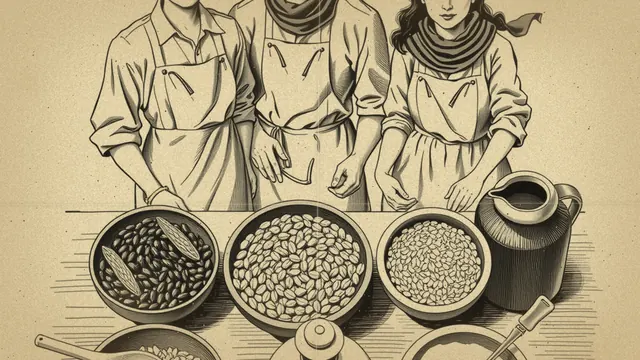 Best Foods to StoreRice, beans, oats, honey, salt and canned goods: why they last and how to cook with them.
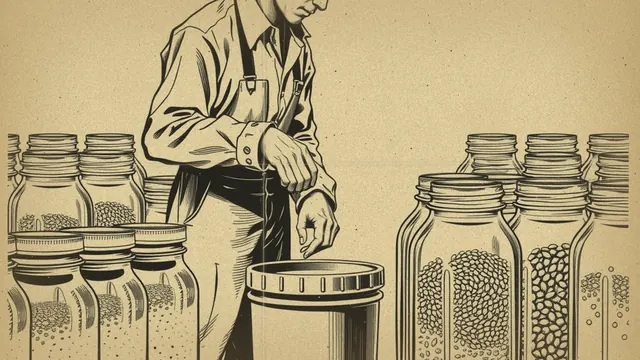 Food Storage ContainersBuckets, gamma lids, glass jars, cans and foil-lined bags compared, plus what food-grade really means.
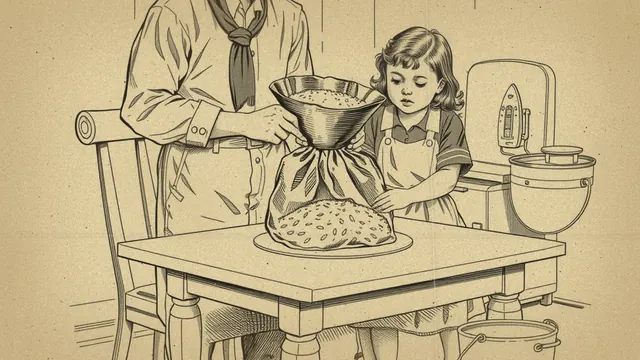 Mylar Bags and Oxygen AbsorbersPack dry staples in foil-lined bags with oxygen absorbers, and learn which foods should never be packed this way.
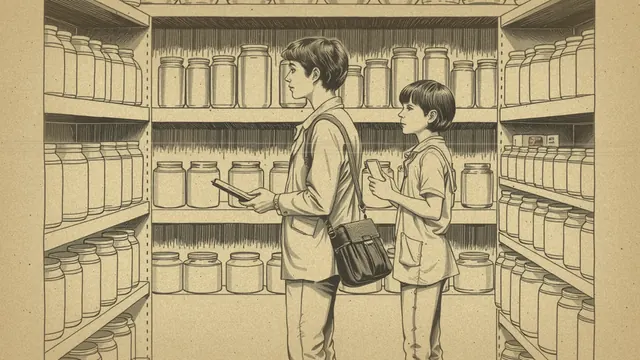 Food Shelf LifeWhat package dates really mean, how storage changes shelf life and the signs that food should go.
 Rotating Food StorageFirst in, first out, a simple inventory sheet and a monthly habit that keeps your pantry fresh.
 Home Canning BasicsWater-bath vs pressure canning, USDA-tested recipes and the botulism rules every beginner needs.
 Dehydrating FoodDry fruits, vegetables and jerky safely with a dehydrator or oven, then pack them to last.
 Pemmican & Traditional FoodsThe real history of pemmican, hardtack and other traditional foods, with honest modern safety notes.
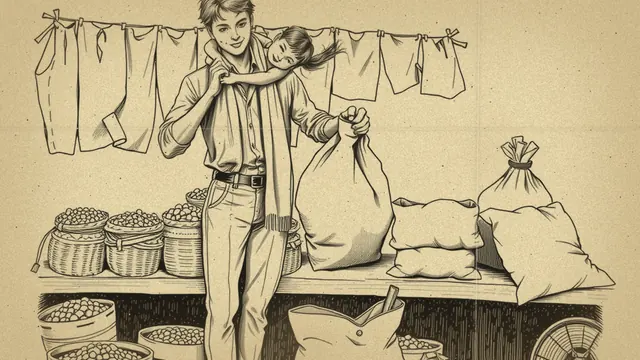 Food Storage on a BudgetBuild an emergency food supply a few dollars a week with staples, sales and a simple plan.
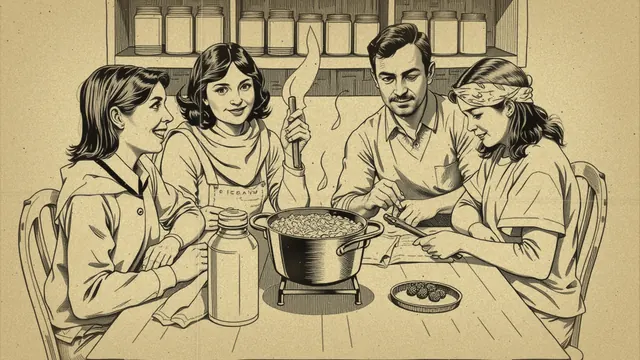 Cooking With Stored FoodEasy rice, bean, oat and canned-food meals that turn your stored food into dinners people enjoy.
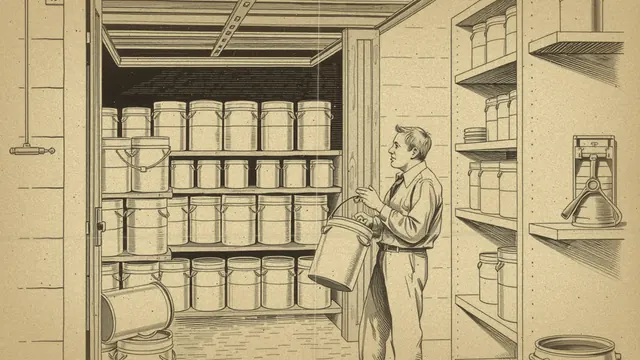 Food Storage MistakesHeat, pests, unfamiliar food and no water to cook with: the common slip-ups and simple fixes.
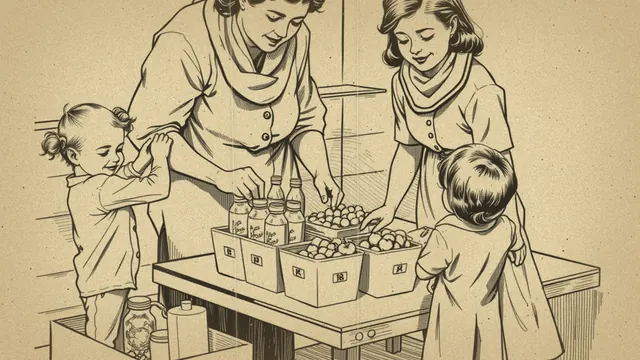 Special DietsPlan emergency food for allergies, diabetes, babies and other medical diets with your care team.
Where to start: a three-step path
Food storage gets easier when you think of it in layers. Each layer builds on the one before it.
| Layer | Goal | Typical foods | Where to read more |
|---|---|---|---|
| 1. Short-term | A few days of food that needs no cooking | Canned meals, nut butter, crackers, dried fruit | Emergency food supply list |
| 2. Two weeks | Real meals for everyone in the home | Pasta, rice, canned proteins, shelf-stable milk | Two-week food supply |
| 3. Long-term | Dry staples packed to last | Rice, dry beans, oats, salt, honey | Long-term food storage |
Layer one fits in a single cabinet. Layer two usually takes a closet shelf or the space under a bed. Layer three is optional, and many households never need it.
The three rules that make food storage work
Store what you eat
The most common regret in food storage is a shelf of food nobody likes. Buy more of what is already in your cart each week. If your family eats oatmeal every morning, a few extra canisters of oats is a better start than an expensive kit of unfamiliar meals.
Rotate it
Food on a shelf ages, even when it looks fine. Put new groceries behind older ones and cook from the front. A simple inventory sheet taped inside the pantry door helps you see what to use next.
Plan for water and cooking
Dry beans and rice need water and heat. Pair your food plan with your water plan, and keep some foods that need neither. Our Water section explains how much to store and how to keep it fresh, and the Power Outages section covers safe ways to cook when the electricity is off, including why camp stoves and grills belong outdoors only.
Matching storage to your home
Every household has different space and needs. A few examples:
- Apartment renters can use under-bed bins, the top shelf of a closet and the back of kitchen cabinets. Small, steady additions work well.
- Rural families with a basement or cool pantry may have room for buckets of dry staples and a shelf of home-canned food.
- Households with an older relative should plan foods that are easy to open and chew, plus anything their doctor recommends.
- Families with babies, food allergies or diabetes need extra planning, and the guide on special diets walks through it.
- Pet owners should store pet food alongside people food and rotate it the same way.
A five-minute starter checklist
You can do these today without buying anything new:
- Open your pantry and count how many days of meals you could make without shopping.
- Check for a manual can opener. If you do not have one, add it to your list.
- Pull older cans and boxes to the front of the shelf.
- Write down five meals your household likes that use only shelf-stable foods.
- Note one gap, such as protein or breakfast foods, to fill on your next grocery trip.
Containers, shelf life and rotation
Once you have more than a few weeks of food, packaging starts to matter. Pests, moisture, light, heat and oxygen are what wear stored food down. Food-grade buckets, glass jars and foil-lined bags with oxygen absorbers each have a place, and the guides in this section explain which to use for what.
Shelf life is where a lot of confusing claims show up online. Package dates, the condition of the food and how it was stored tell you more than any chart. For specific questions, your county extension service is a trusted, free source.
Food safety comes first
Stored food is only useful if it is safe to eat. A few habits protect your family:
- Toss cans that are bulging, leaking, deeply dented or rusted.
- After a power outage, follow the USDA guidance on refrigerated and frozen food in our guide to food safety during a power outage. When in doubt, throw it out.
- If you can at home, use tested recipes and the right method for each food. The canning guide in this section covers the basics.
- If food may have touched floodwater, read food safety in emergencies before eating anything.
Buying help wisely
You will see plenty of pre-packed "survival food" buckets and paid courses advertised with countdown timers or scary messages. Some are fine, many are overpriced, and none are required. Before spending money, read our guide on how to choose a preparedness program, which explains what to look for and which free resources cover most of the same ground.
A food supply is not about fear. It is about having dinner handled on a hard day, so you can focus on your family, your neighbors and whatever local officials ask you to do.
Want a guided preparedness plan?
Some people like the structure of a paid guide. This button opens a third-party survival or preparedness program from one of our advertising partners. Its claims are its own, not ours, so weigh them against our red flags checklist.
See the partner program →We may be paid when you click. The program shown can change. Read its terms before you buy anything. How this works
Frequently asked questions
How much food should I store for emergencies?
A few days of easy, no-cook food is a good first goal, and many households then build toward about two weeks at home. Start with foods your family already eats so nothing goes to waste.
What is the difference between a pantry and long-term food storage?
A pantry holds everyday foods you cycle through in weeks or months. Long-term storage means dry staples packed to keep for much longer, stored cool, dry and dark, and still rotated over time.