Home Canning Basics for Beginners
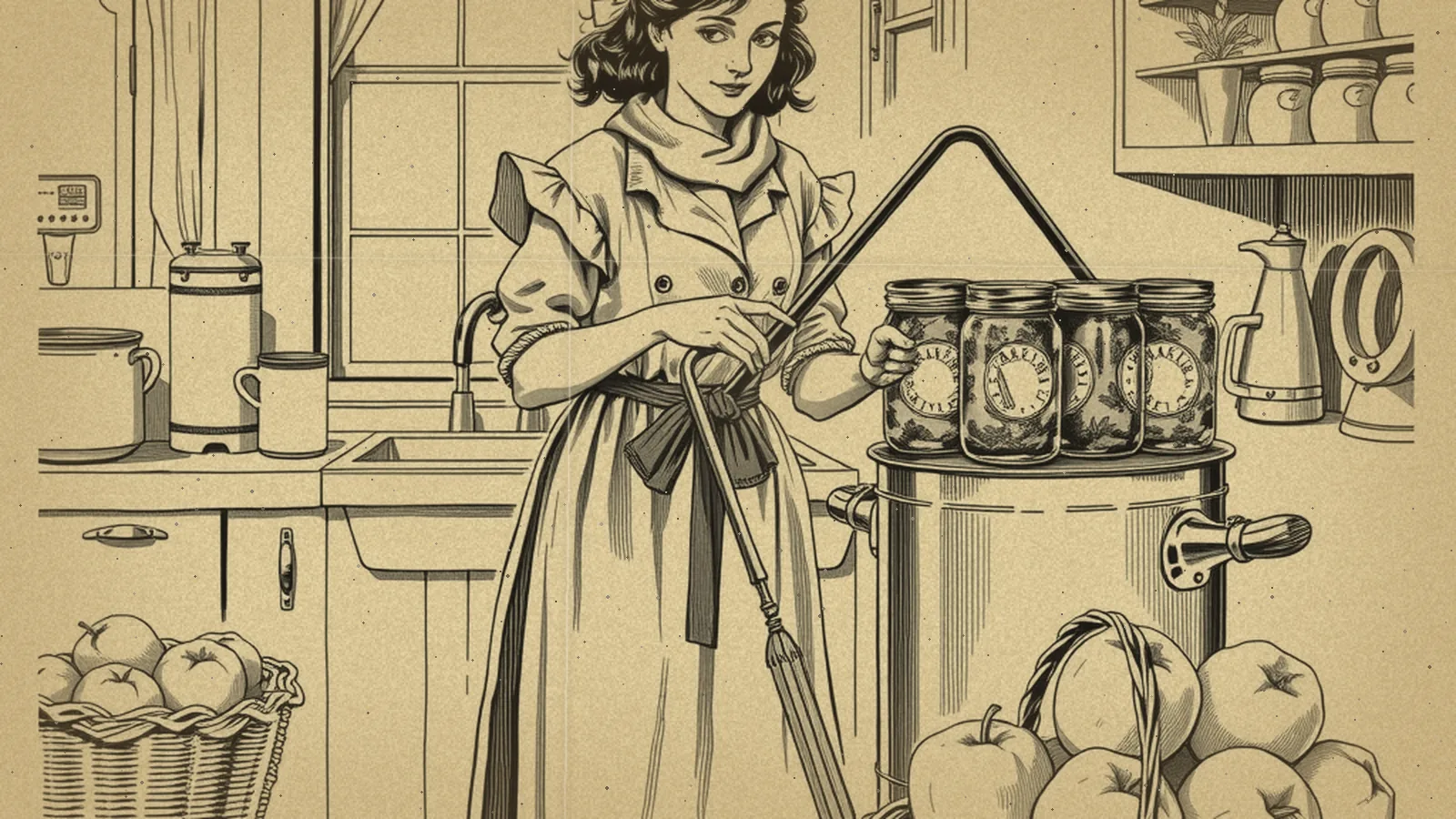
Home canning has two methods: water-bath canning for high-acid foods like fruit, jams and pickles, and pressure canning for low-acid foods like vegetables, meats and beans. The USDA is clear that low-acid foods must be pressure canned, not water-bath canned, to prevent botulism. Use tested recipes from the USDA's Complete Guide to Home Canning and follow them exactly.
Canning is one of the most satisfying skills in our Food Storage section. A pantry shelf of jars you filled yourself feels good to look at. It's also an area where small shortcuts can make people seriously ill, so this guide puts safety first and keeps the steps simple.
Why acid decides the method
Every canning decision starts with one question: is this food high-acid or low-acid?
| Food type | Examples | Method |
|---|---|---|
| High-acid | Most fruits, jams and jellies, pickles, sauerkraut, salsa and tomatoes made with a tested recipe that adds acid | Water-bath canner |
| Low-acid | Vegetables like green beans, corn, carrots and potatoes; meats, poultry and fish; dried beans; soups and stocks | Pressure canner |
| Mixed recipes | Chili, vegetable soup, pasta sauce with meat or vegetables | Pressure canner, using a tested recipe |
Tomatoes sit near the line, which is why tested recipes tell you exactly how much lemon juice or citric acid to add. Don't skip that step, and don't add extra onions, peppers or garlic to a tested salsa, because that changes the acidity.
Botulism: what it is and why it matters
Botulism is a rare but serious illness caused by a toxin made by Clostridium botulinum. The bacteria form tough spores that are common in soil and on produce. The spores themselves are usually harmless. The danger comes when they end up in a sealed jar of low-acid food with no oxygen and moisture around them. Those conditions let the spores grow and make toxin.
Here's what makes botulism different from ordinary spoilage:
- The spores survive boiling. A boiling-water bath can't reach the higher temperature needed to destroy them. Only a pressure canner, used correctly, gets low-acid food hot enough.
- You can't always tell. A jar with botulism toxin may look, smell and taste normal.
- A tiny amount can cause serious illness. That's why "just a taste" is never a safe test.
This is the reason the USDA's rules for low-acid foods are firm. Home canning is safe when you follow tested methods. It becomes risky when people improvise.
Equipment you need
For water-bath canning:
- A large, deep pot with a lid and a rack, deep enough for water to cover the jars
- Canning jars made for home canning, with new flat lids and screw bands
- A jar lifter, a canning funnel and a headspace tool or clean ruler
- Clean towels and a timer
For pressure canning:
- A pressure canner (not a regular pressure cooker or an electric multicooker unless your extension office confirms it has been tested for canning)
- The manufacturer's manual, kept with the canner
- The same jars, lids, lifter and funnel listed above
If your pressure canner has a dial gauge, have it checked for accuracy before each season. Many county extension offices can test gauges or tell you where to get it done.
Step-by-step: your first water-bath batch
A small batch of jam or pickles is a great first project. The general flow looks like this, but always use your tested recipe for the specific times and amounts.
- Read the whole recipe before you start, including any altitude adjustment.
- Wash jars, lids and bands in hot, soapy water and keep the jars warm.
- Prepare the food exactly as the recipe says.
- Fill the jars, leaving the headspace the recipe lists. Remove air bubbles with a plastic utensil.
- Wipe the rims clean, set on the lids and screw the bands on fingertip tight.
- Process in the canner for the full time the recipe gives, starting the timer only when the water returns to a full boil.
- Let jars cool on a towel, undisturbed, away from drafts.
- Check the seals the next day. Lids should be firmly pulled down and not flex when pressed.
Any jar that didn't seal can go in the refrigerator and be eaten soon, or be reprocessed following your recipe's directions.
Methods to avoid
Older family recipes and online videos sometimes show methods the USDA does not recommend. Skip these:
- Open-kettle canning, where hot food is poured into jars and sealed without processing
- Oven canning, which heats jars unevenly and can crack them
- Water-bath canning low-acid foods, no matter how long they boil
- Flipping jars upside down instead of processing them
- Adding thickeners like flour to canned soups, which can block even heating
- Making up your own recipes or doubling ingredients that change acidity
Honoring family traditions is wonderful. You can keep Grandma's flavors by finding a tested recipe that's close and adjusting seasonings within its safe limits.
Storing and rotating your jars
Once sealed, remove the screw bands, wash the jars and mark each lid with the contents and the date. Store them somewhere cool, dark and dry. Plan to use each season's jars before the next harvest, eating the oldest first. Our guide to rotating food storage shows how to fit home-canned food into a simple first in, first out system.
Before opening any jar, look at it. Throw out any jar with a bulging or unsealed lid, leaks, mold, cloudy or bubbling liquid where it shouldn't be, or an off smell when opened. Bag it securely before discarding so children and pets can't reach it.
Other ways to preserve the harvest
Canning isn't the only option. Some foods keep better dried, and drying uses no jars at all. Our guide to dehydrating food explains how to dry fruits, vegetables and jerky safely. If you're curious about how people preserved food long before modern canners, our look at pemmican and traditional foods covers the history along with today's food-safety cautions.
Most beginners get started canning because they have a garden or access to a farmers market. If you're planning what to grow, our guide to a survival garden suggests crops that store well and are worth preserving.
Where to learn hands-on
Reading helps, but watching an experienced person makes canning click. Many county cooperative extension offices offer canning classes, answer questions by phone, and share tested recipes for free. A friend or neighbor who cans regularly can be a great teacher too, as long as their recipes come from tested sources.
Start today
Find the USDA Complete Guide to Home Canning online or call your local extension office and ask for their beginner recipes. Pick one high-acid recipe, like a fruit jam, and read it from start to finish. Check that you have a big enough pot and a rack. Your first batch can be small: four or five jars is plenty to learn the rhythm.
Want a guided preparedness plan?
Some people like the structure of a paid guide. This button opens a third-party survival or preparedness program from one of our advertising partners. Its claims are its own, not ours, so weigh them against our red flags checklist.
See the partner program →We may be paid when you click. The program shown can change. Read its terms before you buy anything. How this works
Frequently asked questions
Can I water-bath can green beans or other vegetables?
No. Vegetables, meats and beans are low-acid foods, and the USDA says they must be pressure canned to prevent botulism. A boiling-water bath does not get hot enough to make them safe.
Where do I find safe, tested canning recipes?
Start with the USDA Complete Guide to Home Canning, which is the standard reference, and your local cooperative extension office. Follow the recipe exactly, including jar size, headspace, processing time and any altitude adjustment.
What should I do if a home-canned jar looks or smells wrong?
Do not taste it. Throw out jars with bulging lids, leaks, spurting liquid, mold or an off smell, handling them carefully. If someone shows signs of illness after eating home-canned food, call 911 or Poison Control at 1-800-222-1222.