Emergency Kits: What to Pack for Home, Car, Work and Evacuation
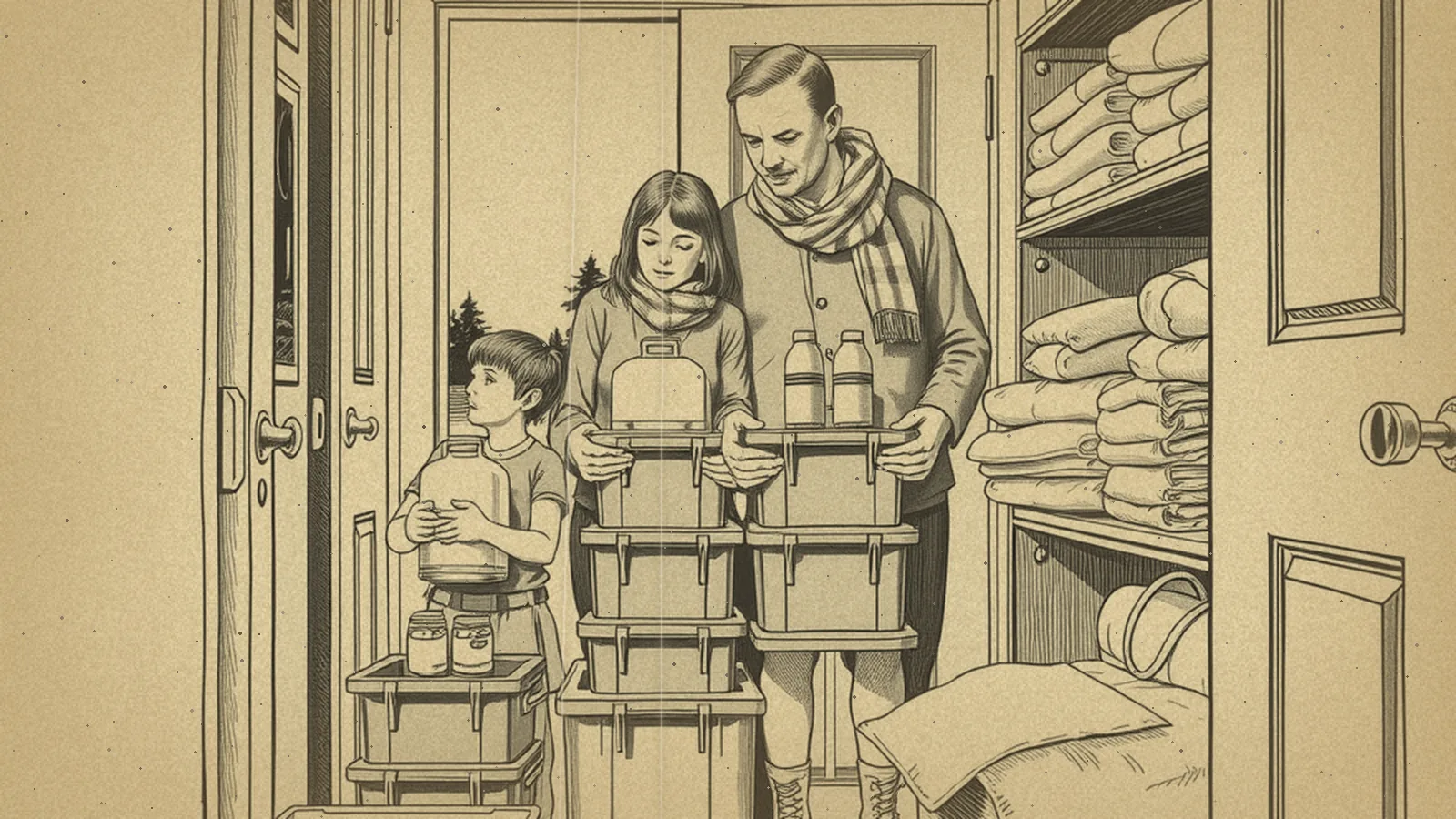
An emergency kit is simply a set of supplies you gather ahead of time so a storm, outage or evacuation doesn't send you scrambling. Most households need a home kit that covers about three days, a smaller bag for leaving quickly, and a few basics in the car. The guides below walk you through each one with checklists you can start on today.
If you got here after a worrying news story or video, that feeling makes sense. The good news is that a kit is one of the most concrete things you can do with it. Every item you add is a small, real step.
 72-Hour KitThe Ready.gov basic kit list in a printable-style checklist, plus extras for your own household.
 Bug-Out BagA grab-and-go evacuation bag list, with tips on weight, seasonal layers and packing for each person.
 Get-Home BagA small bag for your desk, locker or car that helps you get home when roads or transit stop.
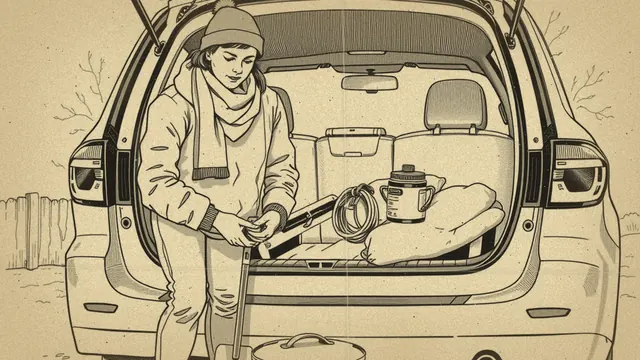 Car Emergency KitWhat to keep in your trunk year-round, plus winter and summer additions and when to stay with the car.
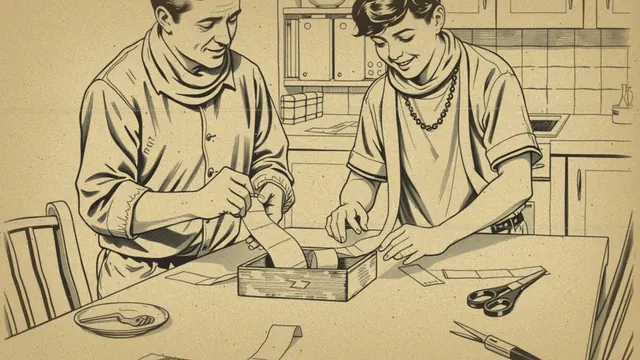 First Aid Kit ChecklistWhat to pack in a home, car and go-bag first aid kit, and how to keep each one stocked and in date.
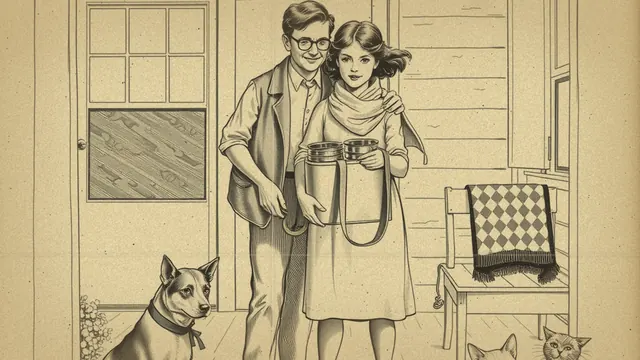 Pet Emergency KitFood, water, records, carriers and comfort items for dogs, cats and small animals, plus where pets can stay.
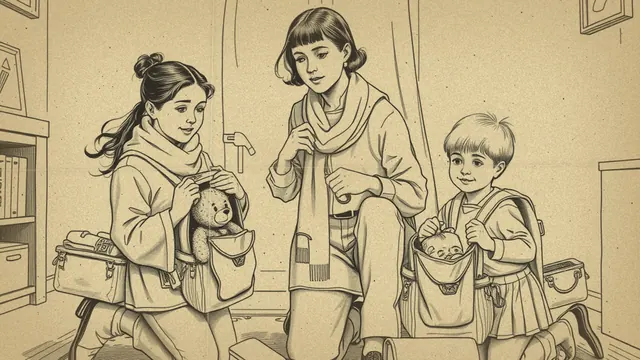 Kits for KidsComfort items, ID cards, snacks and a school plan, packed with your kids so they know what it's for.
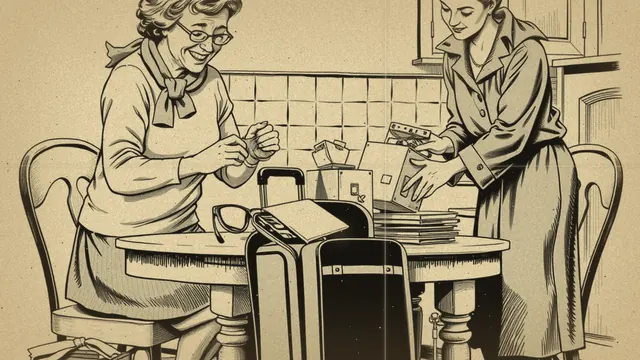 Kits for Older AdultsMedications, mobility and hearing aids, backup power and a support network that knows your plan.
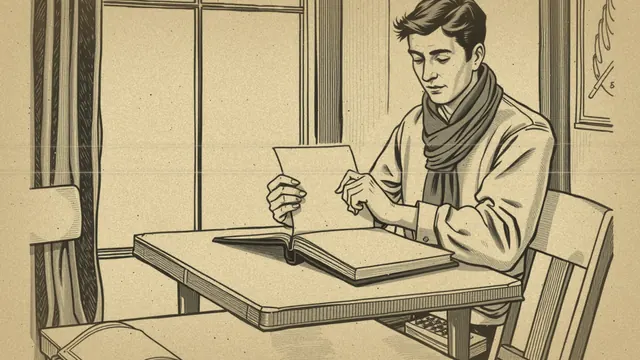 Documents BinderIDs, insurance, medical and property papers in one binder, with copies and a digital backup.
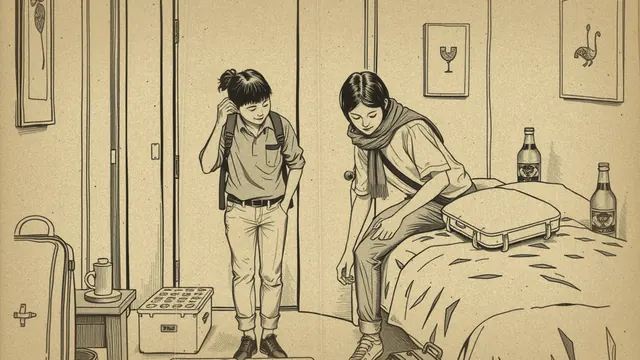 Apartment KitFit water and supplies into a small space and learn your building's plan before you need it.
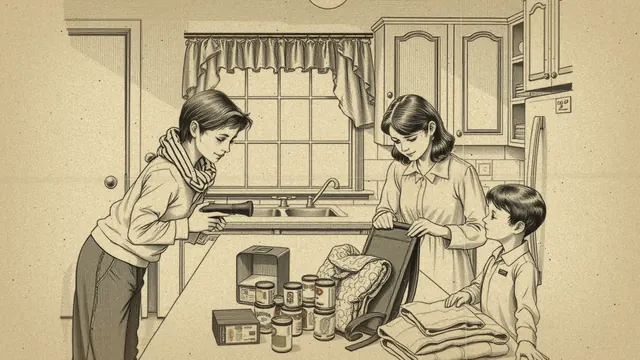 Kit on a BudgetStart with what's already in your home, then add a few items a month until the kit is done.
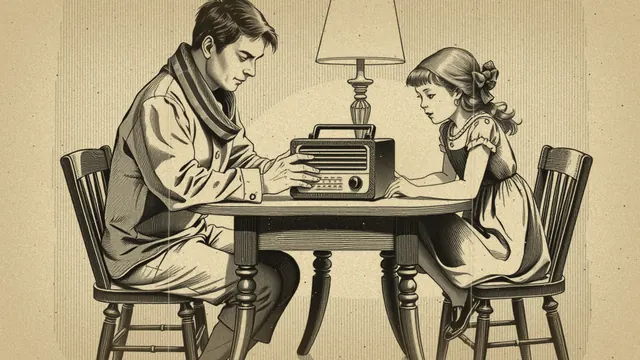 Emergency RadioNOAA Weather Radio, alerts, hand-crank and solar power: what to look for and what to skip.
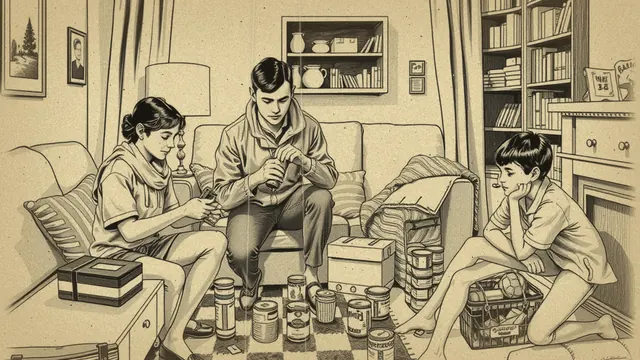 Maintaining Your KitA twice-a-year routine for food, water, batteries, medicines and papers that takes about half an hour.
Which kit do you need?
Different kits do different jobs. You don't need all of them at once, and many items overlap.
| Kit | Where it lives | What it's for | Start here |
|---|---|---|---|
| Home kit | A closet, shelf or bin | Riding out an outage or storm at home | 72-hour kit |
| Go bag | By the door or in a closet | Leaving home fast during an evacuation | Bug-out bag |
| Work bag | Under your desk or in a locker | Getting home if roads or transit stop | Get-home bag |
| Car kit | Trunk or cargo area | Breakdowns, closures, winter delays | Car emergency kit |
| First aid kit | Kitchen, car and bag | Everyday cuts and scrapes, plus emergencies | First aid kit checklist |
| Pet kit | Next to your own go bag | Food, water and records for animals | Pet emergency kit |
Households with children, older relatives or tight budgets have their own guides above, along with a radio guide and a simple schedule for keeping everything fresh.
A calm way to build your kits
Ready.gov frames preparedness as three steps: make a plan, build a kit, and stay informed. A kit works best when it supports a plan, so it helps to know where you would go and how your household would reach each other. Our guide to a family emergency plan covers that side.
Here is a gentle order that works for most homes:
- Gather what you already own. Flashlights, batteries, a first aid box, spare blankets, a can opener. Put them in one bin.
- Add water. Water is the item people most often run short of. Our guide on how much water to store explains the official guideline and how to scale it for your household.
- Add food you actually eat. Shelf-stable meals that need little or no cooking are easiest.
- Cover medical needs. Ask your doctor or pharmacist how to keep a backup of medications, and pack copies of prescriptions.
- Add light, a radio and a way to charge your phone.
- Build the smaller kits. A go bag, a car kit and a work bag can borrow from the home kit list.
- Set a reminder to check it. Twice a year is a common rhythm.
Kits for the people in your home
A good kit fits the people who will use it. A few examples:
- A couple in a third-floor apartment might keep their home kit in an under-bed bin and their go bags on a closet hook, since storage space is tight.
- A rural family with three kids might keep a bigger supply of water and food, because help and stores can be farther away, plus a comfort item and a snack bag for each child.
- An older adult who uses a walker might keep a lighter go bag on wheels, extra glasses, hearing aid batteries and a written list of medications and doctors.
- A household with a dog and two cats might set the pet carriers next to the go bags so nobody has to search for them.
If anyone at home relies on powered medical equipment, think about backup power and charging early. Our guide to preparing for a power outage walks through it.
What a kit can and can't do
A kit buys you comfort and time. It means you can drink, eat, see in the dark, hear official updates and treat small injuries while things settle. It does not replace good judgment, and no kit can guarantee anyone's safety. Always follow evacuation orders and instructions from local emergency officials, and call 911 in an emergency.
It also doesn't need to be expensive or perfect. A plastic bin of basics you actually check beats an elaborate kit you never open. Skills matter as much as supplies, so consider a first aid class in your community when you can.
A word on pre-made kits and paid courses
Ready-made kits can be a convenient start, but quality varies. Some include tiny portions of water or first aid items you'd rarely use, and many are sold with countdown clocks and scary headlines. Look at the contents list, not the marketing. Our section on choosing a program explains how to judge preparedness products and courses, including the warning signs worth knowing before you pay.
Start with one small step
Pick one thing from this page to do today. Put your flashlights in one place. Set a few gallons of water aside. Write your medications on a card. Preparedness grows from small, steady habits, and every one of them counts.
Want a guided preparedness plan?
Some people like the structure of a paid guide. This button opens a third-party survival or preparedness program from one of our advertising partners. Its claims are its own, not ours, so weigh them against our red flags checklist.
See the partner program →We may be paid when you click. The program shown can change. Read its terms before you buy anything. How this works
Frequently asked questions
What is the most important emergency kit to build first?
Start with a basic home kit that covers about three days: water, food, light, a radio, first aid supplies and your medications. Once that is in place, add a car kit and a small bag for work.
How much does an emergency kit cost?
Less than most people expect, because you likely own many of the items already. Gather what you have first, then add a few things each month instead of buying everything at once.