Power Outages: Getting Through Blackouts Safely, From Hours to Weeks
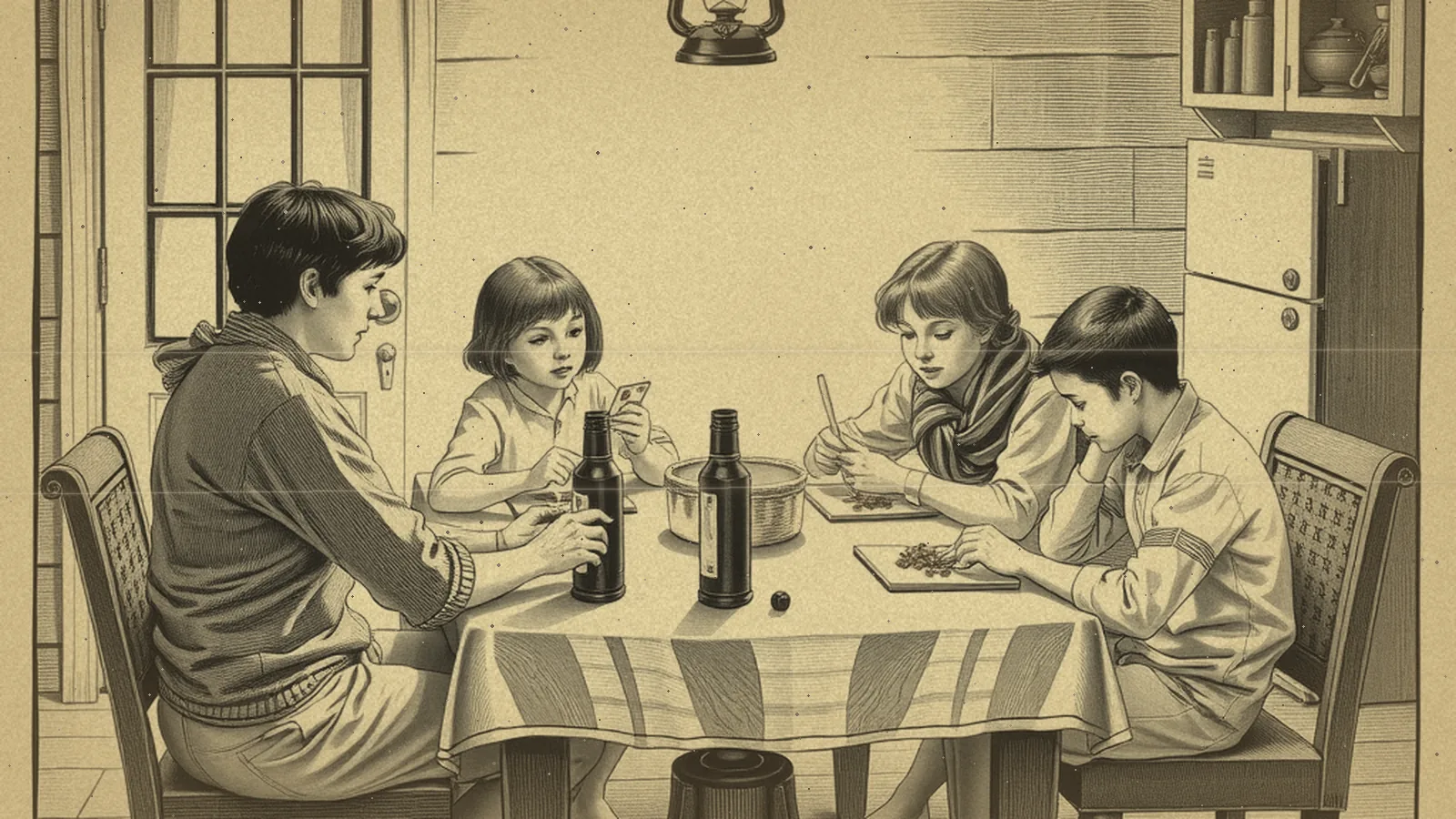
Most power outages are short and more inconvenient than dangerous, and a little planning makes even a long one manageable. The guides in this section walk you through getting ready, handling the first few hours, keeping food safe, choosing and using backup power, and staying comfortable and safe until the lights come back on.
If you landed here after a scary video about the power grid, take a breath. The outages that really happen to households are caused by storms, heat waves, ice, wildfire precautions and equipment problems, and the steps that help with those help with almost anything else, too.
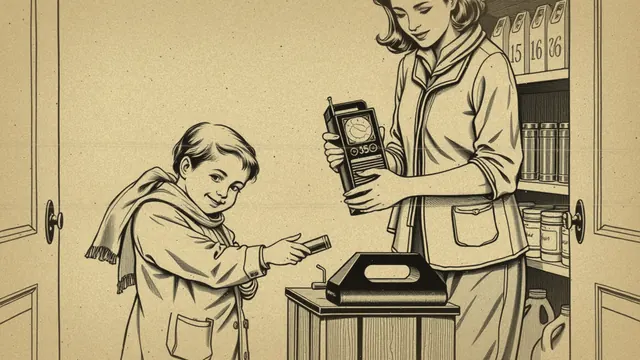 Prepare for an OutageA calm before, during and after checklist so a blackout feels like a hassle, not a crisis.
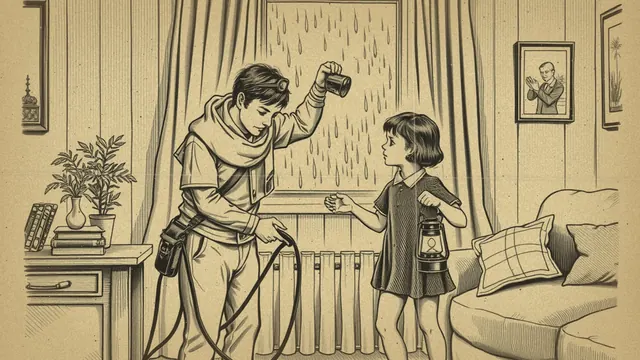 During an OutageA simple hour-by-hour plan for the first hour, the first night and the days after the lights go out.
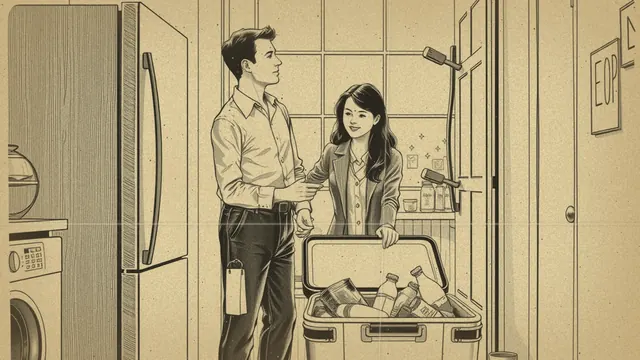 Food Safety in OutagesThe USDA timelines for fridges and freezers, the 40°F rule, and a calm way to decide what to keep.
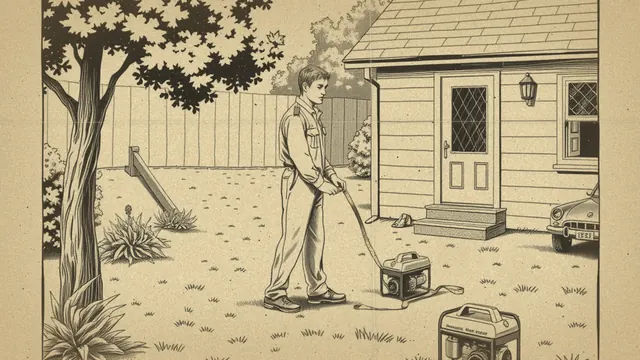 Generator SafetyWhere to put a generator, why garages are never safe, CO alarms, and what to do if an alarm sounds.
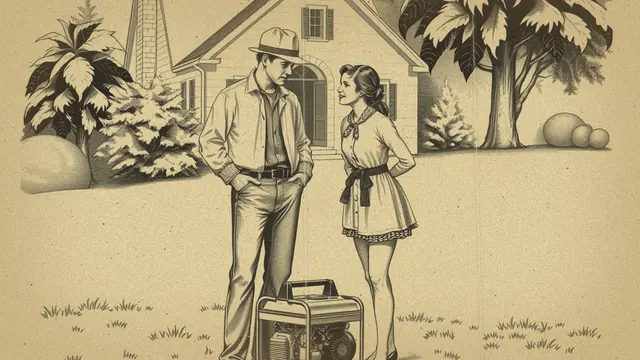 Choosing a GeneratorPortable vs inverter vs standby, how to add up watts, and why transfer switches are a job for an electrician.
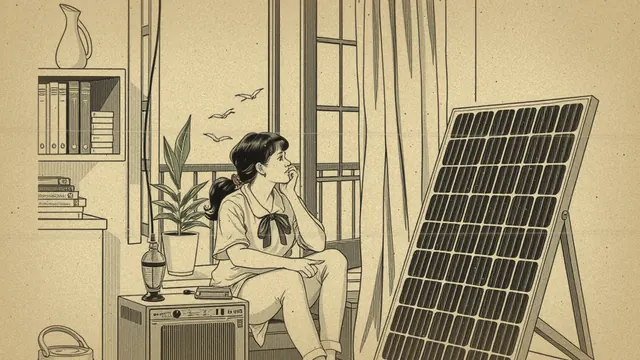 Portable Power StationsHow battery power stations and solar panels work, what they can run, and when a generator makes more sense.
 Emergency LightingWhich lights to keep, how many you need, battery tips, and why battery lights beat candles.
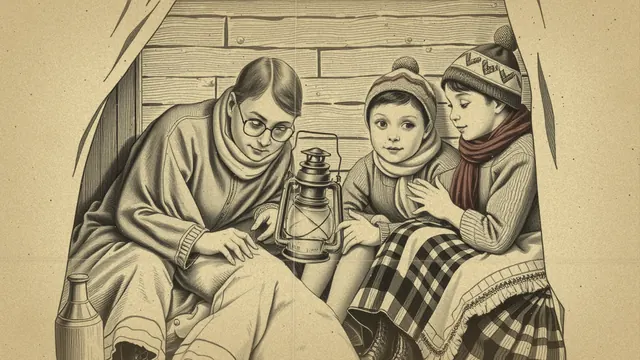 Staying WarmLayers, one warm room, sealed drafts and safe heat sources to keep your household warm through a winter outage.
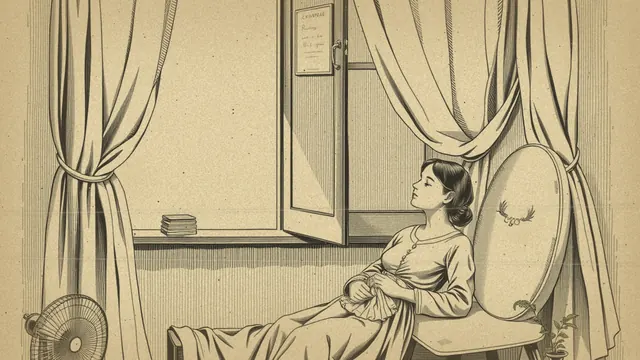 Staying CoolShade, water, cool cloths, cooling centers and heat illness signs for getting through a hot-weather outage.
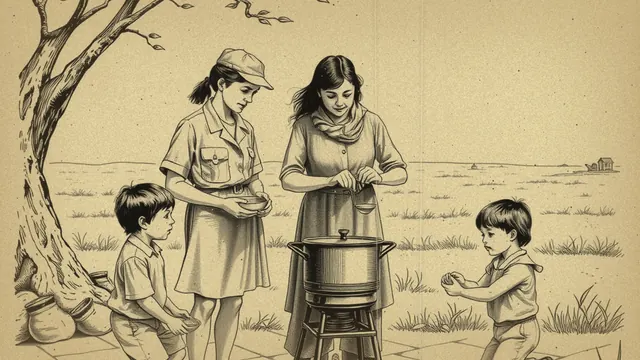 Cooking Without PowerNo-cook meals, outdoor-only camp stoves and grills, fuel storage and a three-day outage menu.
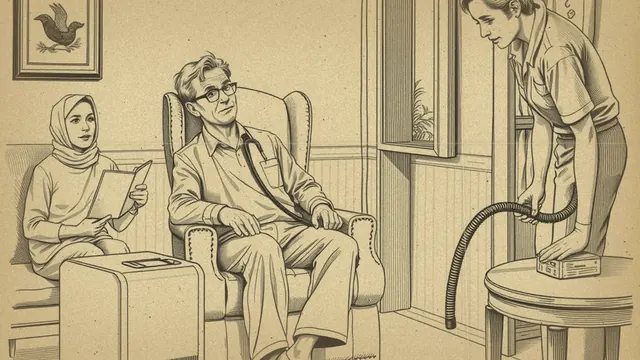 Medical DevicesBackup power, utility registries, refrigerated medicines and a written plan for people who rely on powered equipment.
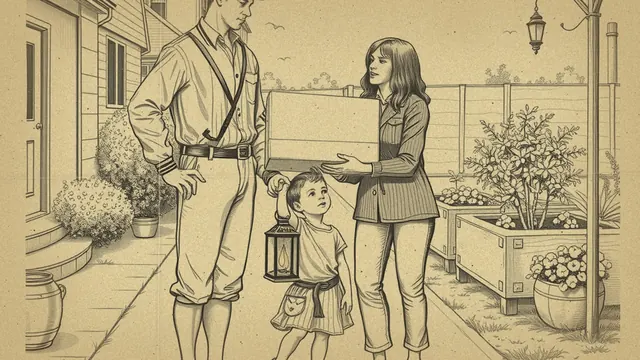 Long-Term OutagesA calm, step-by-step plan for outages lasting two weeks or more: water, food, heat, health and community.
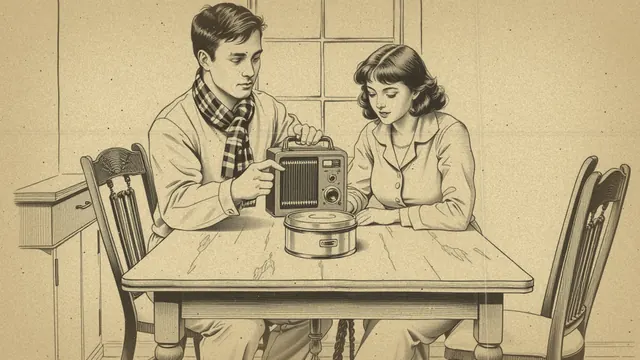 EMP PreparednessWhat an EMP is, what the EMP Commission studied, what is honestly uncertain, and simple steps that help in any outage.
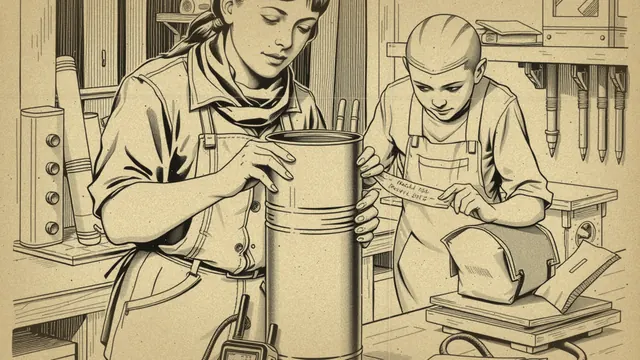 Faraday CageA simple metal-container approach, what shielding does and does not do, and honest limits on testing.
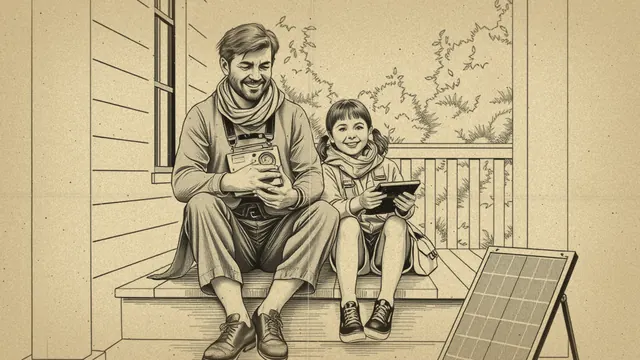 Phones and CommunicationPower banks, car and solar charging, battery-saving tips, texting and radio backups for staying connected.
Where to start
You don't need to read every guide. Pick the row that matches where you are today.
| Your situation | What to do now | Guide to read |
|---|---|---|
| Nothing is set up yet | Gather lights, batteries, water and a radio in one spot | How to prepare for a power outage |
| The power just went out | Report it, unplug electronics, keep the fridge shut | What to do during a power outage |
| You're wondering about the food | Check times and temperatures before eating anything | Food safety during a power outage |
| You own or want a generator | Learn the carbon monoxide rules first | Generator safety |
| Someone relies on powered medical equipment | Make a backup power plan with their care team | Medical devices and outages |
A word about carbon monoxide
Carbon monoxide has no color or smell, which is why alarms matter so much. The carbon monoxide poisoning guide in our First Aid section explains the warning signs in more detail.
How long outages usually last, and how to plan
Nobody can tell you exactly how long the next outage will be, so it helps to plan in layers rather than for one scenario.
- A few hours. Light, a charged phone, and a closed fridge are usually all you need. This is the layer every household should have.
- A day or two. Now food safety, water, and staying warm or cool start to matter. A small battery station or a safely placed generator may keep essentials running.
- Several days or more. Storms and ice can leave neighborhoods dark for a while. Cooking, sanitation, medications and checking on neighbors become the focus. Our guide to long power outages covers this layer calmly and practically.
Each layer builds on the one before it. If you only do the first layer this week, you're already ahead.
How this section connects to the rest of your plan
Power outages rarely happen alone. A storm that knocks out power may also affect water, roads and phone service, so it pays to link your outage plan to the rest of your preparations.
- Water. If your home relies on an electric well pump or your building needs power to move water upstairs, outages can affect your taps. Our guide to emergency water sources at home shows where you may already have water stored.
- Kits. Many outage supplies overlap with a basic go-kit. The 72-hour kit checklist is a good master list.
- Family plans. Decide ahead of time who checks on whom and where you'd go if your home gets too hot or cold. A family emergency plan puts that on paper.
- Cooking. No power doesn't have to mean cold meals. See cooking without power for safe outdoor and no-cook options.
Who needs a little extra planning
Some households have more at stake when the power goes out. If someone in your home uses an oxygen concentrator, a CPAP, a powered wheelchair or medicine that needs refrigeration, call your utility to ask whether it keeps a medical needs list, and talk with the care team about backup options. Older relatives who live alone, families with infants, people with limited mobility and pet owners all benefit from a plan written down before a storm arrives. Renters and apartment dwellers may not be allowed to use generators, so battery power and a good relationship with neighbors become even more valuable.
Staying calm and following officials
During large outages, local emergency managers share updates about cooling and warming centers, water notices and road closures. Follow their instructions and any evacuation orders, and keep a battery-powered or hand-crank radio so you can hear updates if cell service is spotty. For phone charging and staying in touch, see phones and communication in outages.
A note on products and courses
Outage preparation attracts plenty of marketing, from "whole-home" battery claims to survival courses promising certainty. A clear plan and a few reliable tools beat any single product. If you're considering a paid course or guide, our choosing a program section explains how to judge what's worth your money and what you can learn for free.
Want a guided preparedness plan?
Some people like the structure of a paid guide. This button opens a third-party survival or preparedness program from one of our advertising partners. Its claims are its own, not ours, so weigh them against our red flags checklist.
See the partner program →We may be paid when you click. The program shown can change. Read its terms before you buy anything. How this works
Frequently asked questions
What should I do first when the power goes out?
Grab a flashlight instead of a candle, check whether neighbors also lost power, and report the outage to your utility. Keep the fridge and freezer closed, unplug sensitive electronics, and follow any instructions from local officials.
Is it safe to run a generator in the garage with the door open?
No. The CDC says never to run a generator inside a home, basement, garage or camper, even with doors or windows open, because carbon monoxide can build up quickly. Run it outdoors, well away from the house.