Community Preparedness: How Neighbors Get Ready Together
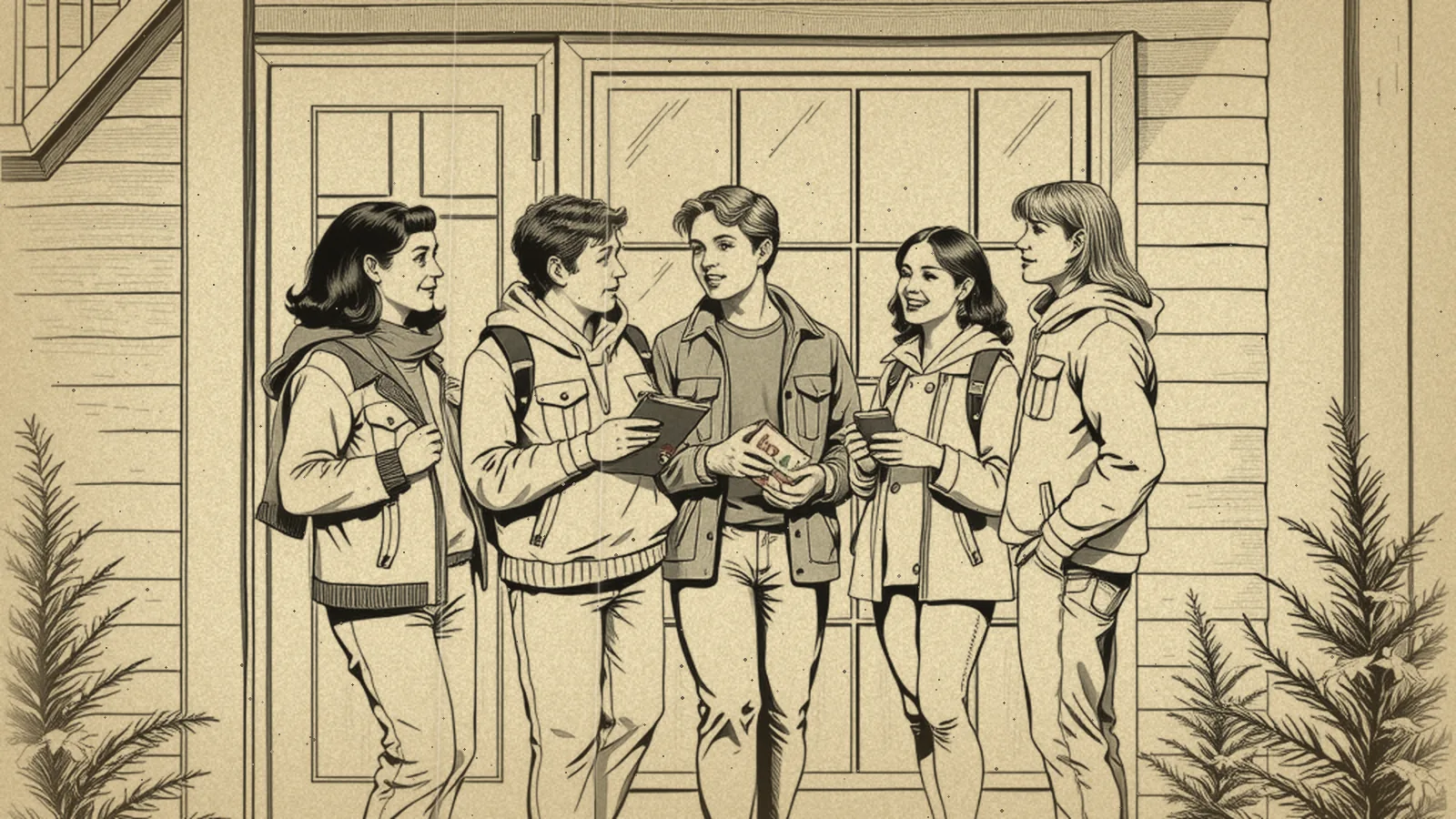
Community preparedness means getting ready with the people around you, not just inside your own four walls: know your neighbors, know who might need help, share skills and tools, and take training such as FEMA's Community Emergency Response Team (CERT) program. In the first hours after a disaster, neighbors are often the closest help there is, while professional responders work through calls. Your role is to support, never to replace, emergency services and local officials. Always follow their instructions.
This page is the people side of our Disaster Planning section. Supplies matter, but a block where people know each other's names often handles emergencies with less stress.
Start with one conversation
You do not need a club, a budget or a title. Try this first step:
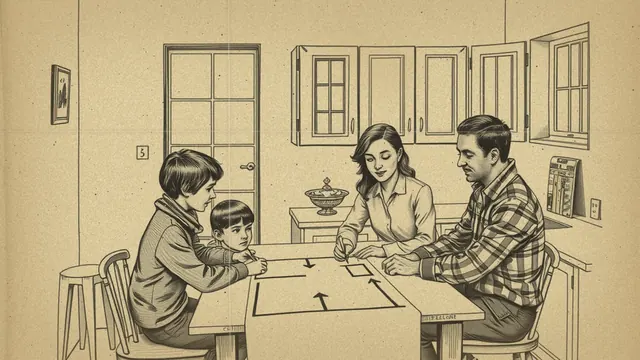
- Pick five or six homes near yours, or the units on your apartment floor.
- Knock, or leave a friendly note, and invite people to a short meeting on a porch, in a lobby or at a park.
- At the meeting, share names, phone numbers and the best way to reach each person.
- Ask two questions: "What could you help with in an emergency?" and "What would make an emergency hard for you?"
- Agree on one simple next step, like a group text or a printed contact list.
Respect privacy. People should share only what they are comfortable sharing, and health details stay with the people who need to know.
Map skills, tools and needs
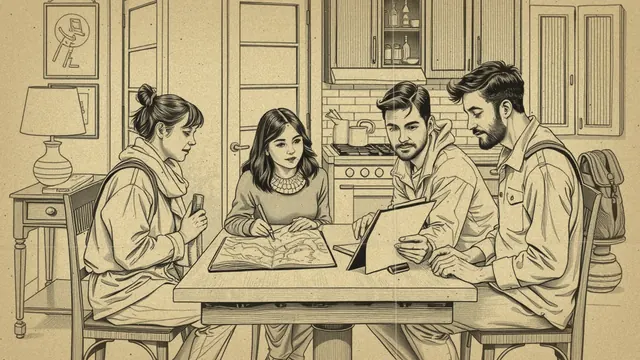
A simple table helps your group see what you have. Here is an example from a small apartment building:
| Neighbor | Can offer | Might need |
|---|---|---|
| Unit 2 | Nurse, first aid kit | Childcare during long shifts |
| Unit 4 | Pickup truck, chainsaw training | Nothing listed |
| Unit 5 | Spanish and English | Help carrying groceries up stairs |
| Unit 7 | Spare room, generator kept outdoors | Rides to dialysis |
| Unit 9 | Teenager who loves radios | Check-ins for a grandparent living alone |
Look for matches. The neighbor with a truck can help move supplies. The bilingual neighbor can help share alerts. The family with a teen can make check-in calls.
Remember people who may be easy to miss: older adults living alone, people with disabilities, new parents, people who do not drive and neighbors who speak a language other than English. Ask them directly what would help, and listen.
Learn skills together with CERT
FEMA's Community Emergency Response Team program trains volunteers in basic disaster response skills. Programs are usually run by local governments, fire departments or emergency management offices, and topics often include:
- Disaster preparedness for your own household first
- Fire safety and using an extinguisher
- Basic disaster first aid
- Light search and rescue techniques
- Team organization and how to support professional responders
- Disaster psychology, including how to care for yourself and others
To find a program, contact your local emergency management office or fire department. Some programs are offered at workplaces, campuses and faith communities. Many are free.
Other good options include first aid and CPR classes, Stop the Bleed courses, and volunteer roles with local relief organizations. Our page on free preparedness resources and our overview of choosing a program list more places to start.
Plan for check-ins
Decide in advance how your group will check on each other when phones are spotty:
- Phone tree or group text. One person starts, each person checks two others.
- Window signs. Some neighborhoods agree on a colored cloth or paper in a window: one color for "we're OK," another for "we need help."
- Door-knocking routes. Assign two people to walk the block after a storm, together, and only when it is safe.
- Meeting spot. Pick a common gathering place, like a corner or a lobby, for sharing information.
Keep it calm and voluntary. Nobody should feel pressured to share supplies they need or go somewhere unsafe.
Apartments, rural roads and everything between
Community looks different depending on where you live, and the plan should fit.
- Apartment buildings: Ask management to share the building's emergency plan, where the shelter areas are and who to call after hours. A floor captain on each level can knock on doors during a fire alarm or outage, especially for residents who use mobility aids.
- Rural areas: Homes are farther apart, so phone check-ins matter more than door knocks. Neighbors with tractors, generators kept outdoors or large water tanks can agree in advance on how they might help, and who checks on the family at the end of the road.
- Suburban blocks: A homeowners group, parent network or block party list can become your contact list with one email.
- Faith communities, schools and workplaces: These groups already meet regularly, which makes them natural places to host a CERT class or a kit-building night.
Whatever your setting, the goal is the same: when something happens, nobody on your list is wondering whether anyone knows they need help.
Share, don't stockpile alone
Community preparedness can stretch everyone's resources:
- A tool library: one ladder, one wet-dry vacuum, one long extension cord for the block.
- Skill swaps: one neighbor teaches how to shut off water, another shows how to read the weather radio, another leads a fire drill for kids.
- Group buys of water containers or flashlights at a better price.
- A shared calendar for kit check-ups twice a year.
Ways to help during and after an emergency
- Check on the people on your list.
- Share official information from local officials, and gently correct rumors.
- Offer practical help: charging phones, lending tools, watching kids, cooking a meal.
- Help neighbors document damage and find out how to apply for assistance.
- Watch out for each other's stress, and your own. Our page on the prepper mindset talks about staying calm and steady rather than fearful, which helps a whole group.
Plans that connect to this one
- After a disaster is where community ties pay off most, because recovery runs on neighbors helping with cleanup, paperwork and emotional support.
- Your family emergency plan is the foundation, because you can only help others well when your own household knows where to meet and who to call.
- Home fire safety is a perfect first group project: neighbors can test alarms together and help older residents plan two ways out.
The calm takeaway
This week, introduce yourself to one neighbor you do not know yet and swap phone numbers. Then look up whether your area has a CERT program. Preparedness grows stronger every time one more person on the block knows who to call.
Want a guided preparedness plan?
Some people like the structure of a paid guide. This button opens a third-party survival or preparedness program from one of our advertising partners. Its claims are its own, not ours, so weigh them against our red flags checklist.
See the partner program →We may be paid when you click. The program shown can change. Read its terms before you buy anything. How this works
Frequently asked questions
What is CERT?
CERT stands for Community Emergency Response Team. It is a FEMA program that trains volunteers in basic disaster response skills so they can help their own households, neighbors and communities. Ask your local emergency management office whether there is a program near you.
How do I start a neighborhood preparedness group?
Start small: invite a few neighbors for coffee, share contact information, and ask who has useful skills or tools and who might need extra help. One short meeting and a shared contact list are a strong beginning.
Do I need special skills to help my community in an emergency?
No. Checking on an older neighbor, sharing a phone charger, watching kids so parents can clean up, or translating for a neighbor all help. Training like CERT and first aid classes can add skills if you want them.