Disaster Planning for the Emergencies Most Likely Where You Live
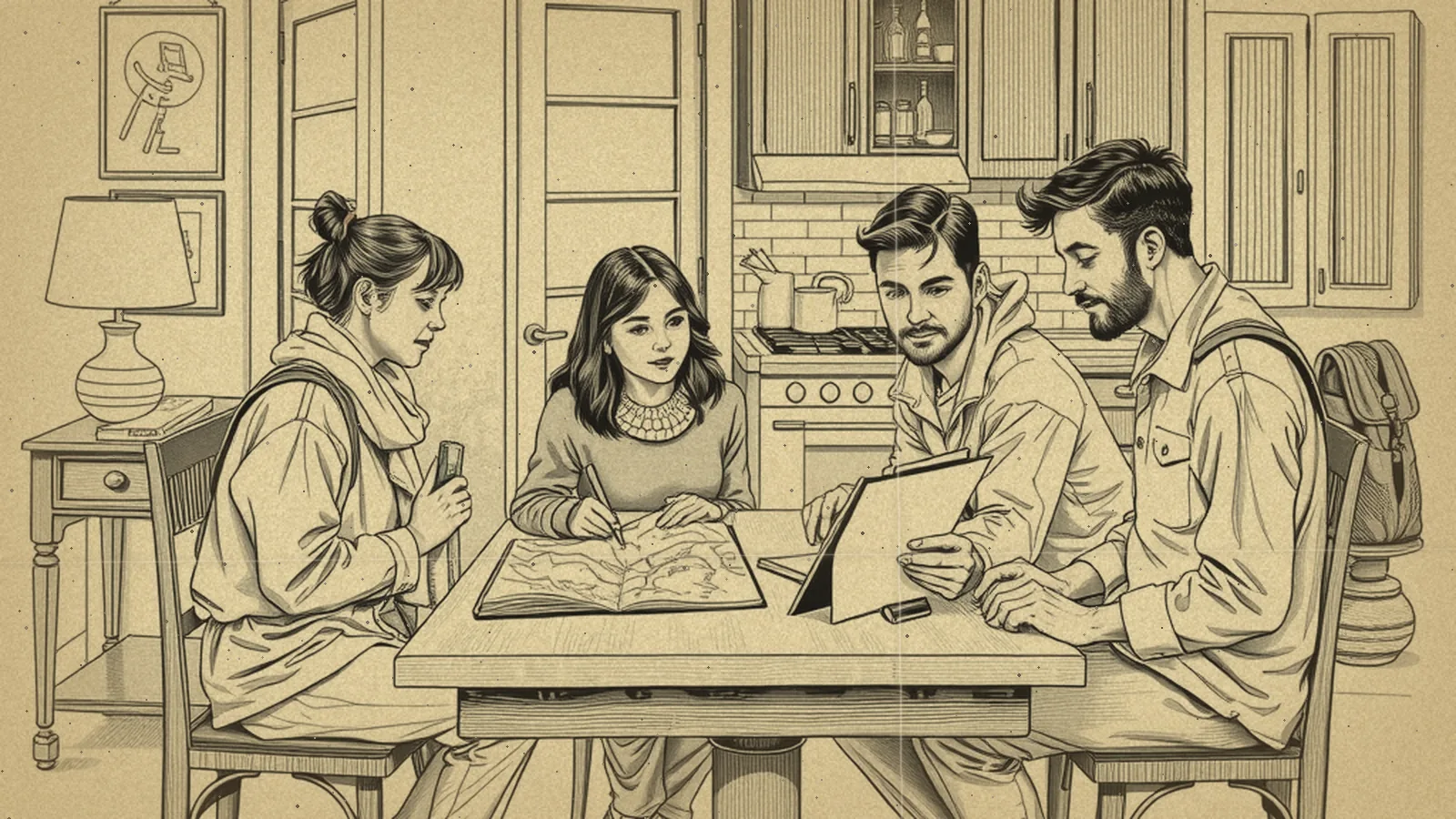
Disaster planning means deciding ahead of time what your household will do when a storm, fire, flood or earthquake affects your area. You learn which hazards are likely where you live, agree on how you'll stay in touch, and know whether you'd leave or stay put. When the day comes, you follow instructions from local emergency officials and use your plan to act quickly and calmly.
If a news story or a video sent you here feeling uneasy, that reaction makes sense. Big events are hard to watch. The good news is that most of what helps is ordinary and doable: a conversation at the kitchen table, a few saved phone numbers, a bag by the door. The guides below walk you through it one step at a time.
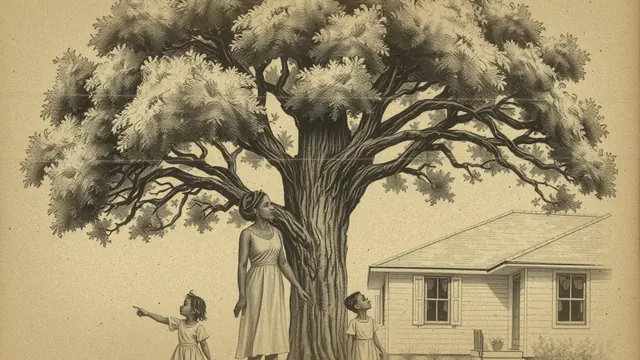 Family Emergency PlanMeeting places, contacts, roles and practice: a household plan you can write in one evening.
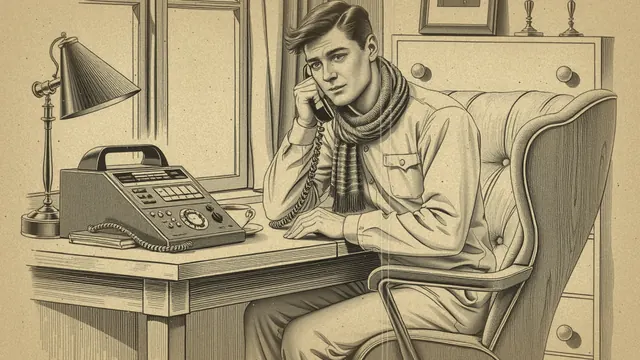 Communication PlanOut-of-area contacts, wallet cards, texting tips and alerts so your household can reconnect.
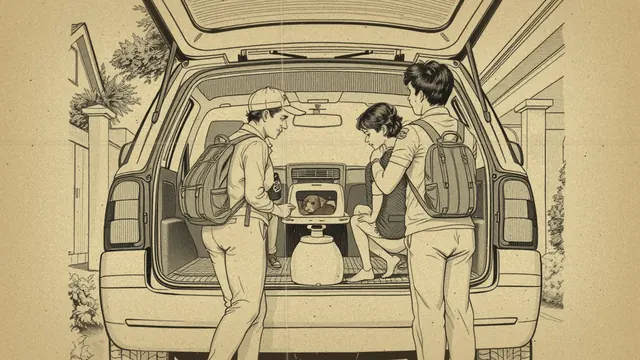 Evacuation PlanKnow your zone, map two routes, choose where to stay and load the car in minutes.
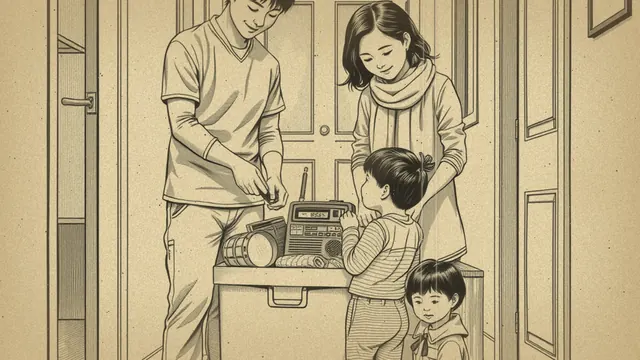 Shelter in PlaceWhen to stay put, which room to choose for each hazard, and the supplies to keep ready.
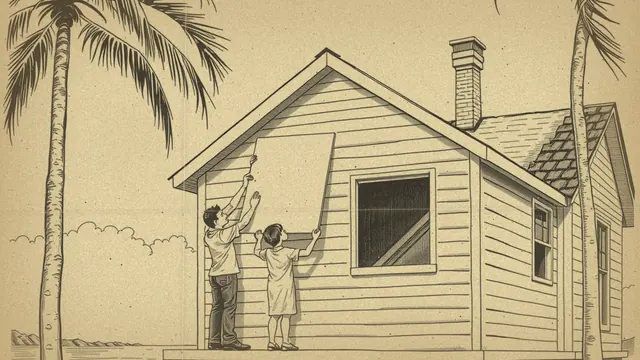 Hurricane PreparednessKnow your zone, prepare before the season and use a day-by-day checklist as a storm approaches.
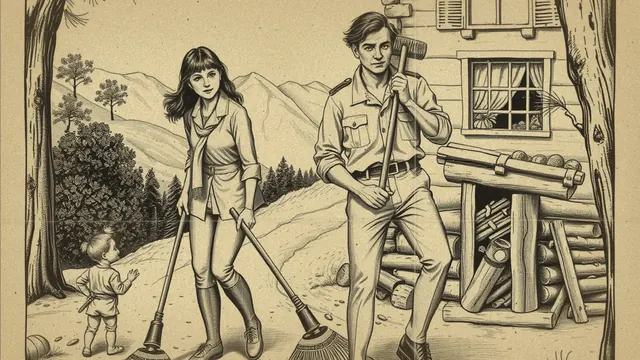 Wildfire PreparednessReady, Set, Go! explained, plus defensible space, smoke planning and a go-early checklist.
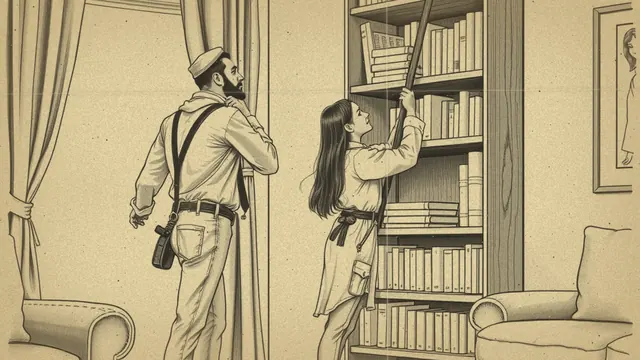 Earthquake PreparednessDrop, Cover, and Hold On explained, plus securing furniture, gas shutoffs and an aftershock plan.
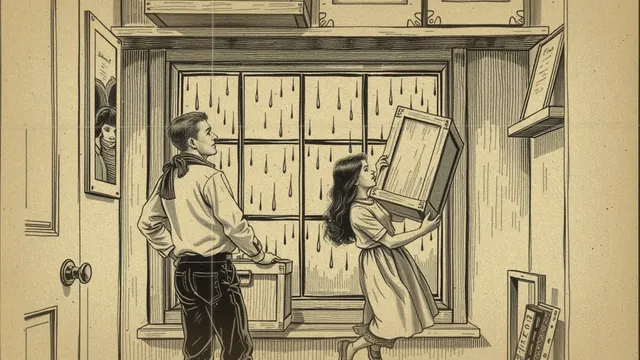 Flood PreparednessKnow your flood risk, move valuables up, stay out of floodwater and clean up safely afterward.
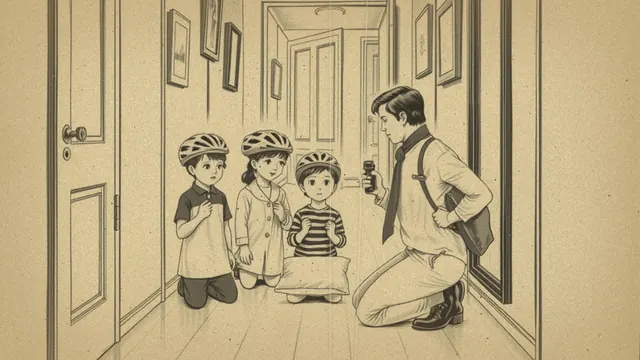 Tornado SafetyLearn watch vs warning, choose your shelter spot today and practice getting there in under a minute.
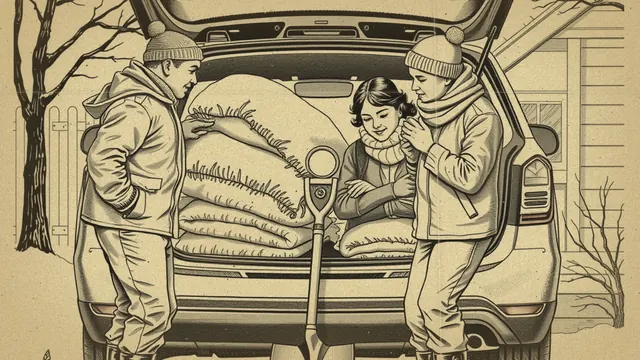 Winter StormsProtect pipes, heat safely, stock the car and plan for a few days snowed in without power.
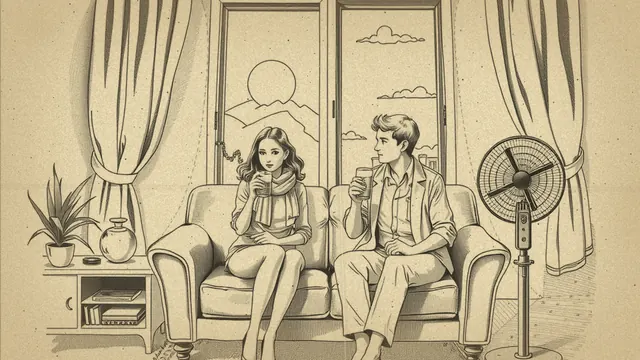 Extreme HeatMake a cooling plan, find cooling centers, check on neighbors and keep pets and kids safe in hot weather.
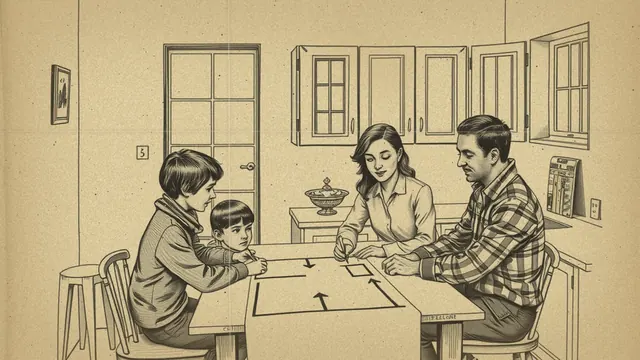 Home Fire SafetyWorking smoke alarms, two ways out of every room, one meeting spot outside and a drill everyone has practiced.
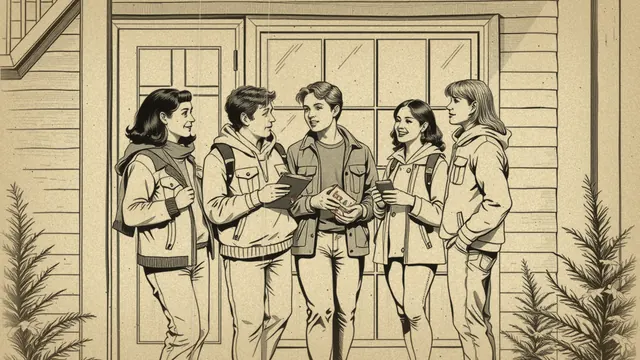 Community PreparednessMeet your neighbors, map who needs help and who can give it, and learn disaster skills through CERT.
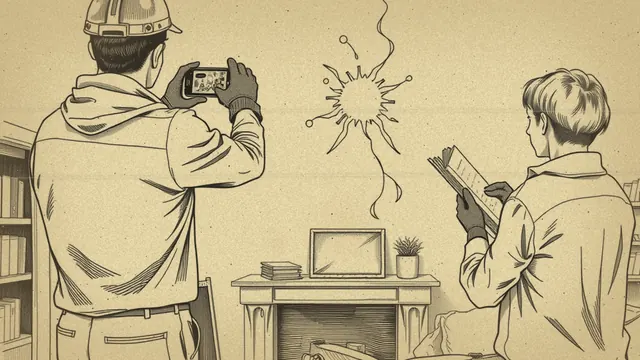 After a DisasterSafety checks, photos of damage, insurance claims, FEMA aid at DisasterAssistance.gov and caring for each other.
Start with the hazards near you
You don't need to plan for every disaster on earth. You need to plan for the ones that actually happen in your region. A family on the Gulf Coast thinks first about hurricanes and flooding. A household in the foothills of the West thinks about wildfire and smoke. Someone in an older apartment building near a fault line thinks about earthquakes. Plenty of places face two or three of these, plus winter storms or heat.
Good places to learn your local risks:
- Your county or city emergency management office, which often publishes hazard information and sign-ups for local alerts
- Your local National Weather Service office for seasonal weather risks
- Neighbors who have lived in the area a long time and remember past events
- Your renter's or homeowner's insurance agent, who can tell you what is and isn't covered
The three building blocks
Ready.gov frames preparedness around three simple ideas: make a plan, build a kit and stay informed. This section focuses on the plan. Here's how the pieces fit together.
| Building block | What it means | Where to start |
|---|---|---|
| Make a plan | Meeting places, contacts, roles, routes | Family emergency plan |
| Stay in touch | Out-of-area contact, texting, alerts | Emergency communication plan |
| Leave safely | Zones, routes, a place to go, pets | Evacuation plan |
| Stay put safely | A safe room, supplies, waiting for the all-clear | Shelter in place |
| Build a kit | Water, food, light, radio, first aid | 72-hour kit |
The plan and the kit work together. A plan without supplies leaves you scrambling, and a closet full of supplies without a plan leaves everyone guessing. If you're putting supplies together, our Emergency Kits section covers bags for home, car, work and evacuation.
Always follow local officials
Your household plan is a starting point, not the final word. Local emergency officials see the whole picture: road closures, shelter openings, rising water, fire behavior. When they issue an evacuation order, leave. When they tell you to shelter in place, stay where you are until they say it's safe.
A few habits make this easier:
- Sign up for your county's alert system if it has one.
- Keep phone settings on so Wireless Emergency Alerts, which authorized officials send to phones, can reach you.
- Keep a battery-powered or hand-crank radio, ideally a NOAA Weather Radio, which broadcasts National Weather Service warnings around the clock.
- Know the name of your evacuation zone, if your area uses them.
Planning for everyone in your household
The best plans fit the real people in them. Think about who lives with you and who depends on you.
- Kids: They do better when they know the plan and have practiced it. Give them a small, specific job.
- Older relatives: Ask what help they'd need to leave quickly, and who checks on them if you're at work.
- People with disabilities or medical needs: Plan for mobility aids, power for medical devices and a supply of medications. Our First Aid & Health guides cover medications and health basics when help is slow.
- Pets: Many shelters and hotels have rules about animals. Find pet-friendly options before you need them.
- Renters and apartment dwellers: Learn your building's exits, stairwells and meeting spot, and ask your landlord about the building's emergency procedures.
Where to begin this week
You can make real progress in a single evening. Try this:
- Write down the two or three hazards most common where you live.
- Pick a meeting place near home and one outside your neighborhood.
- Choose one out-of-area contact everyone can text.
- Save local emergency management and utility numbers in every phone.
- Look up your evacuation zone or the main routes out of your area.
Then pick the guide for your top hazard: hurricanes, wildfires, earthquakes or one of the others listed above.
A word about fear-based products
Some courses and survival products are sold with countdown clocks and scary predictions. You don't need any of that to be ready. Preparedness is mostly planning, practice and a few sensible supplies. If you're thinking about paying for a course or guide, our section on choosing a program explains what to look for and which warning signs to skip.
No plan can guarantee safety. What a plan does is give your household a head start, a shared set of decisions and a little more calm when things get hectic. That is worth an evening of your time.
Want a guided preparedness plan?
Some people like the structure of a paid guide. This button opens a third-party survival or preparedness program from one of our advertising partners. Its claims are its own, not ours, so weigh them against our red flags checklist.
See the partner program →We may be paid when you click. The program shown can change. Read its terms before you buy anything. How this works
Frequently asked questions
What is the first step in disaster planning?
Find out which hazards are most common where you live, then sit down with your household and agree on a simple plan: how you'll get alerts, where you'll meet, who you'll call and where you'd go if told to leave. Ready.gov recommends making a plan, building a kit and staying informed.
Should I follow my own plan or what officials tell me?
Your plan gets you ready, but local emergency officials have information you don't. If they issue an evacuation order or tell you to shelter in place, follow their instructions and adjust your plan to fit.