Foraging for Beginners: How to Learn Wild Foods Safely
Foraging safely comes down to one rule: never eat a wild plant or mushroom unless an expert has identified it with certainty. Some deadly species look nearly identical to edible ones, so the safest way to start is to learn a few common plants in person from experienced local foragers, follow land rules, and treat "I'm pretty sure" as a firm no.
Foraging is one of the gentler skills in our Self-Reliance section, because it gets you outside, teaches you to notice the seasons, and connects you with people who know your local landscape. It is not a plan for feeding a family during an emergency. Think of it as a hobby that adds a little variety to meals once you have real knowledge behind it.
The one rule that never bends
You will hear many tips about wild food: "animals eat it, so it's fine," "it tastes bitter so it's poisonous," "cooking makes it safe." None of these shortcuts are reliable. The only standard that protects you is certainty from someone who truly knows the species, confirmed with the plant or mushroom in hand.
Mushrooms deserve extra caution. Some of the most dangerous ones grow in ordinary lawns and parks, and their symptoms can be delayed, which makes them easy to underestimate. Many experienced foragers enjoy mushrooms for years by photographing and studying them long before they ever cook one.
How to learn foraging the right way
Find local teachers
Plants vary by region, and a guide written for another part of the country may describe look-alikes that never grow near you while missing ones that do. Good places to look for in-person learning:
- Your local cooperative extension office, which often runs or knows about native plant and gardening programs
- Mycological (mushroom) societies, which commonly hold identification meetings and guided walks
- Nature centers, botanical gardens and state park naturalist programs
- Native plant societies and community college continuing-education classes
Be cautious with paid online courses or videos that promise you can "live off the land" quickly. Our page on spotting red flags in survival products covers how to tell solid teaching from hype.
Start with a short list
Pick three to five plants that are common where you live and widely taught as beginner species. Learn each one through a full year: what it looks like in spring, in flower, in seed and in winter. Learn its look-alikes just as well as the plant itself.
Keep a foraging notebook
Write down the date, location, habitat, and features you noticed, and who confirmed the identification. Sketches help you see details that a quick photo misses.
Before you pick anything: a field checklist
- Permission and rules. Check your state and local rules. Many parks and public lands limit or ban harvesting, and private land needs the owner's permission.
- Clean ground. Skip roadsides, railroad edges, lawns that may be sprayed, old industrial sites and areas near runoff or floodwater.
- Positive identification. Every feature should match, not just most of them. An expert should confirm.
- Take only a little. Leave plenty for wildlife and for the plant to regrow. Avoid rare or protected species entirely.
- Keep finds separate. Bag each species on its own so one mystery leaf doesn't end up mixed into a confirmed harvest.
- Try new foods in small amounts. Even a correctly identified edible can upset some people's stomachs or trigger an allergy.
Knowing where you are matters too. A walk that winds through unfamiliar woods can turn confusing quickly, so pair foraging practice with the map and compass skills in our guide to navigating without GPS.
Safety with children and pets
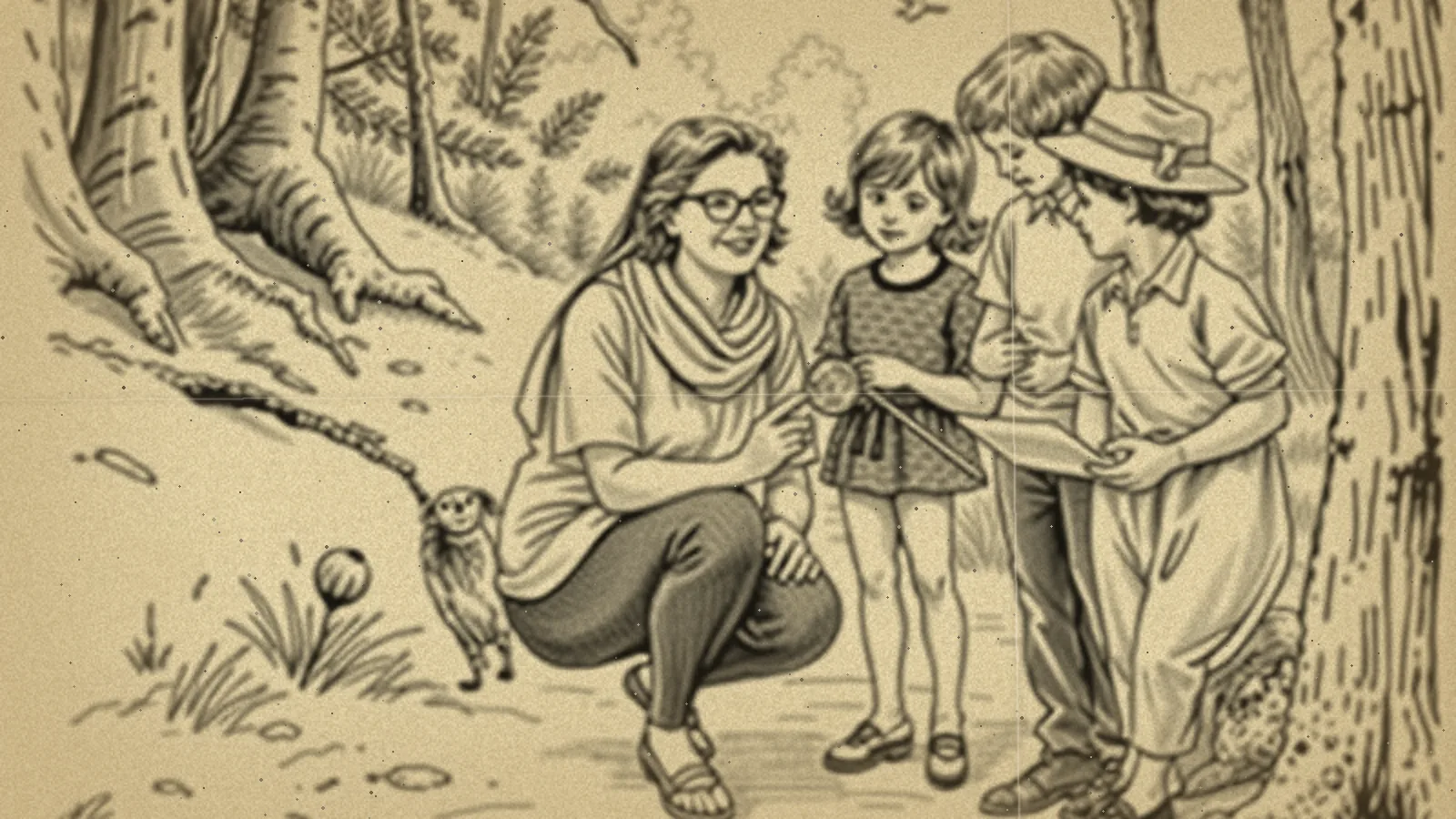
Kids love foraging walks, and they are a wonderful way to build curiosity. Set clear family rules before you go:
- Nothing goes in a mouth on the trail. Ever.
- Kids can point, photograph and draw, and a grown-up decides what gets collected.
- Wash hands after handling plants and mushrooms.
Dogs can also get into trouble with wild mushrooms and berries in the yard or on walks. If you think a pet ate something, call your veterinarian or an animal poison hotline.
If someone gets sick
Wild plant and mushroom poisoning is a real emergency, and acting quickly helps.
| Situation | What to do |
|---|---|
| Someone ate a wild plant or mushroom and you aren't sure what it was | Call Poison Control at 1-800-222-1222, even if they feel fine |
| Trouble breathing, seizures, unresponsive, or severe symptoms | Call 911 right away |
| You still have some of what was eaten | Put it in a paper bag or take clear photos to share with medical staff |
| Symptoms appear hours later | Still call; some poisonings start slowly |
Our guide to poison and toxic exposure explains what to have on hand and how to talk with Poison Control. This site is not medical advice, and no list or chart replaces calling for help.
A safer path to wild-tasting food: grow it
If what draws you to foraging is fresh, free food, a garden gives you that with far less risk. Many plants people forage, like berries, herbs and greens, grow happily in a backyard bed or a few containers. Our guide to starting a survival garden walks through choosing crops that actually feed people.
Once you are growing, saving your own seed from favorite plants keeps the cycle going year after year. The steps are in our seed-saving guide, and it's a skill kids can help with from start to finish.
A sample first season
Here is how one renter in a small city might approach a first year of learning:
- Month 1: Attend a guided walk with a local naturalist group. Take notes, no harvesting.
- Month 2: Choose three common beginner plants the group recommended. Study their look-alikes.
- Months 3-6: Visit the same spots every few weeks to watch the plants change. Bring finds to an expert for confirmation.
- Months 6-12: Harvest small amounts of confirmed plants from clean, permitted places. Keep journaling.
- All year: No wild mushrooms in the kitchen until you have studied them for a long time with a local society.
What you can do today
- Look up your county's cooperative extension office and any local mushroom or native plant society.
- Save Poison Control (1-800-222-1222) in every family member's phone.
- Agree on the family rule: nothing from outdoors gets eaten without a grown-up's say-so and an expert's confirmation.
- Pick one beginner plant to watch on your next walk, just to observe.
Foraging rewards patience. Go slowly, learn from people who know your area, and let certainty, not hunger or curiosity, decide what reaches your plate.
Want a guided preparedness plan?
Some people like the structure of a paid guide. This button opens a third-party survival or preparedness program from one of our advertising partners. Its claims are its own, not ours, so weigh them against our red flags checklist.
See the partner program →We may be paid when you click. The program shown can change. Read its terms before you buy anything. How this works
Frequently asked questions
Is it safe to forage for wild food?
It can be a rewarding hobby, but only if you never eat a wild plant or mushroom unless an expert has identified it with certainty. Some deadly species look a lot like edible ones, so learning in person from experienced local foragers matters more than any book or app.
Can I use a plant identification app to decide what is safe to eat?
Use apps only as a starting point for curiosity, never as the final word on what goes in your mouth. Photos can mislead and apps make mistakes, so confirm every find with a knowledgeable person who can see the actual plant.
What should I do if someone eats a wild plant or mushroom and feels sick?
Call Poison Control at 1-800-222-1222 right away, and call 911 if the person has trouble breathing, becomes unresponsive, or has a seizure. Save a sample of what was eaten, or a photo, to help the experts.