Water · Food Storage · Power Outages · Emergency Kits · First Aid · Disaster Planning · Self-Reliance
Emergency preparedness without the fear
Steady, step-by-step guides for households who want to be ready for storms, outages and other emergencies, one small task at a time.
 WaterHow much water to keep, how to store and rotate it, and how to make questionable water safer.
 Food StoragePlan, pack and rotate a home food supply that fits your kitchen, your budget and your family's tastes.
 Power OutagesPlans, checklists and safety guides for blackouts, from a few hours to a few weeks.
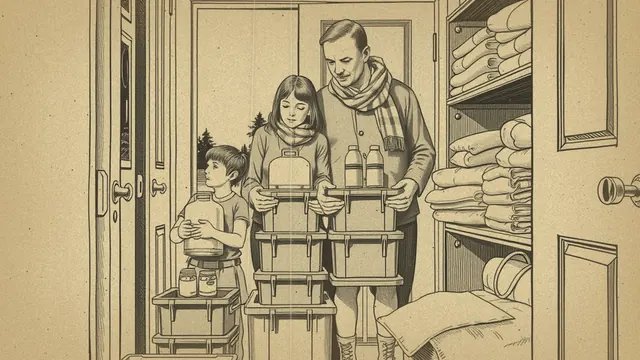 Emergency KitsChecklists for home, car, work, evacuation, kids, older adults and pets, built one step at a time.
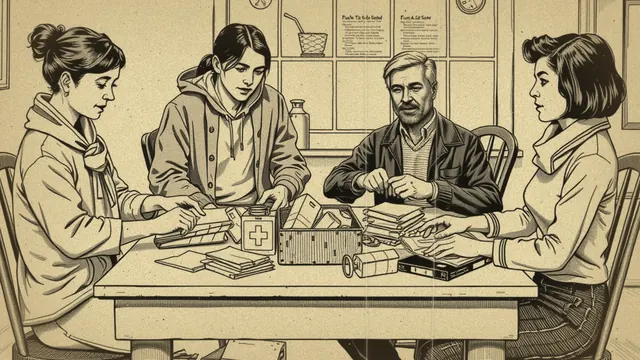 First Aid & HealthBasic first aid, health and hygiene skills for the hours when help may be slow to arrive.
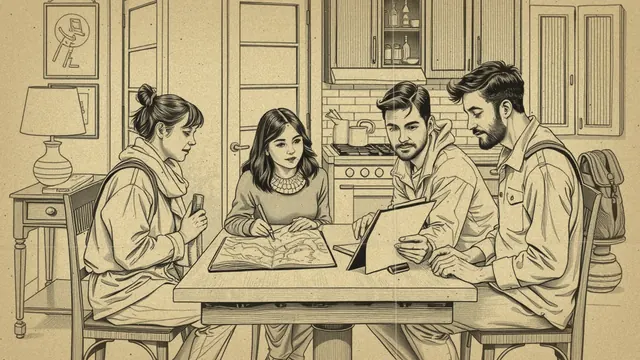 Disaster PlanningHousehold plans, evacuation and shelter steps, and hazard guides for storms, fires, quakes and more.
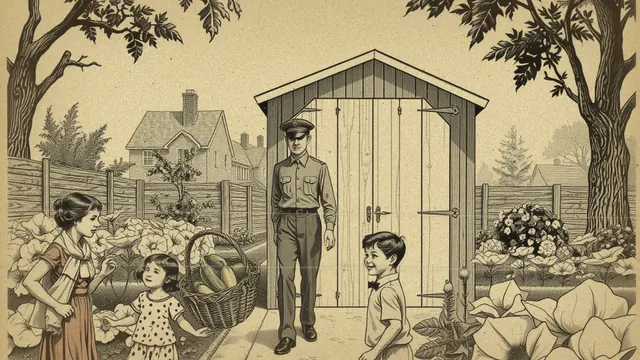 Self-ReliancePrepping basics, practical skills, gardening and homestead habits that make your household steadier.
 Choosing a ProgramHow to tell a calm, useful preparedness course or guide from one that sells fear and false promises.
Start here
Choose the door that matches what's on your mind today.
- You want to know how much water to keep. Start with how much water to store, then learn the simple ways to purify water in an emergency if your tap ever stops being safe.
- Your pantry is the place to begin. Build an emergency food supply out of foods your household already eats, then grow it into a two-week food supply at your own pace.
- The lights went out last time and you weren't ready. Our checklist for how to prepare for a power outage covers before, during and after, and generator safety explains how to avoid carbon monoxide.
- You want a bag packed and ready. The 72-hour kit checklist covers the essentials, with versions for the car and for kids.
- You'd like to handle a scrape, burn or worse with confidence. Begin with basic first aid skills and find out why a hands-on CPR class is one of the best things you can do for your family.
- You want a plan everyone in the house knows. Make a family emergency plan, then look at the plans for the hazards most likely where you live, like hurricanes or wildfires.
- You're drawn to gardens, skills and a more self-reliant home. Our self-reliance section covers gardening, food preservation, tools and outdoor skills, starting with prepping for beginners.
How we write
A lot of preparedness content online runs on fear: countdowns, dark predictions, and warnings that something terrible is about to happen. We don't write that way. Our guides are calm and practical, and they focus on emergencies that happen every year, such as storms, outages, floods, fires, earthquakes and heat. We never predict disasters, and we never claim that any product or plan guarantees safety.
Life-safety facts, like how long to boil water, how to keep a generator away from your home, or when to throw out food after an outage, come from official sources such as Ready.gov, the CDC, the EPA and the USDA, and we check them before publishing. We write for every kind of household: renters and homeowners, city apartments and rural farms, people with disabilities, older relatives, kids and pets. And we always tell readers to follow local emergency officials and to call 911 in an emergency. Read more in our editorial policy.
Our first aid guides are general information, not medical advice. Hands-on classes teach these skills far better than any article can.
Thinking about a survival course or guide?
Some courses and guides offer helpful structure. Others sell fear, conspiracy talk and promises no one can keep. Before you spend money, read how to choose a program, learn the red flags to watch for, and see the free preparedness resources you can use first.