Basic Survival Skills Everyone Should Learn (and Where to Learn Them)
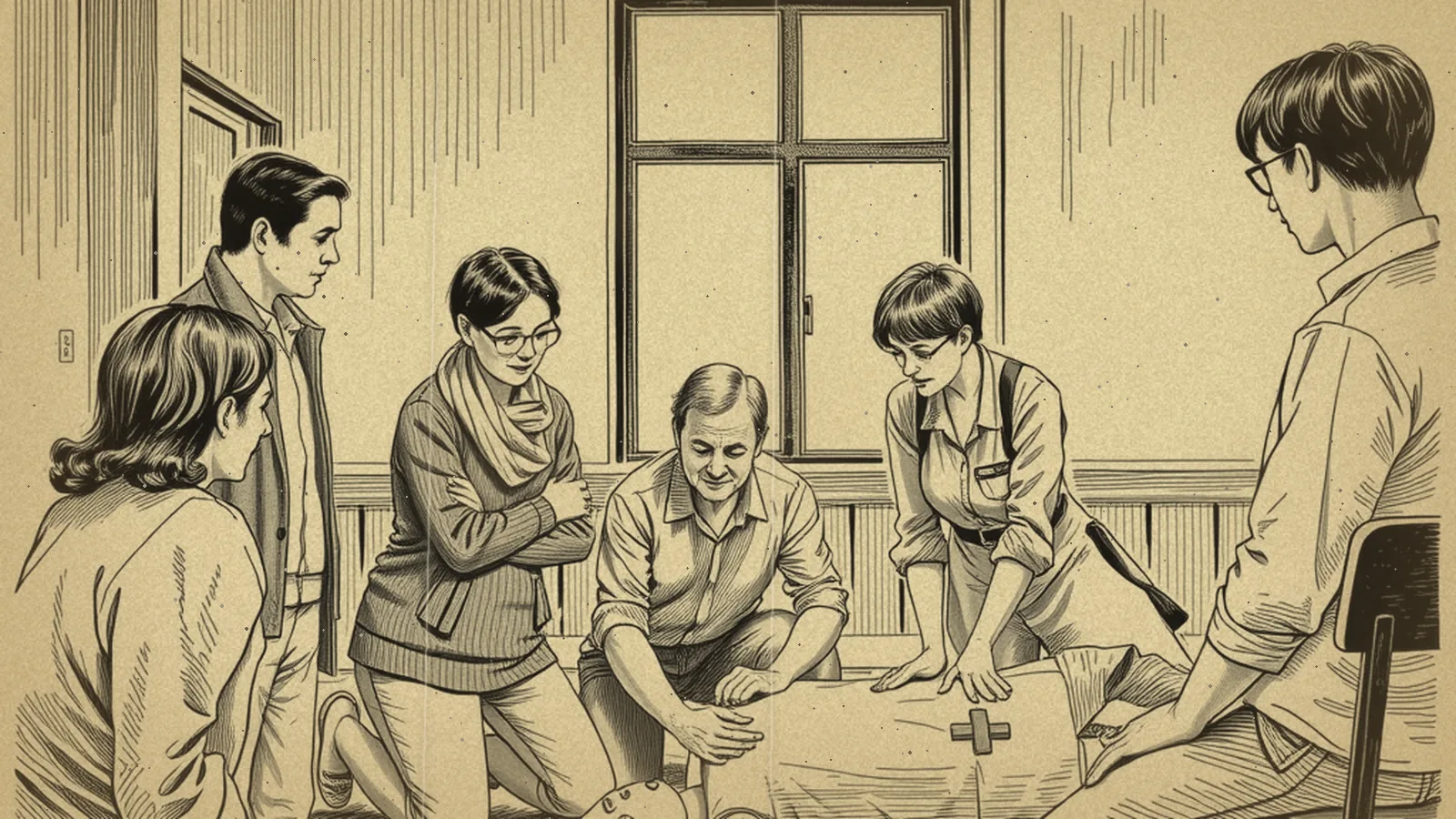
The basic survival skills that matter most are first aid, getting safe water, staying warm or cool, cooking safely without power, finding your way, and keeping in touch with your family. They're less dramatic than what you see on TV, but they're the ones people actually use in storms, outages and evacuations. Most can be learned in a weekend class or a few evenings of practice.
Skills sit at the heart of our Self-Reliance section because they're the one form of preparedness that can't be lost, spoiled or left behind. Here's how to prioritize them and where to learn each one.
The skills that matter most, ranked
Think about what you'd really face in a three-day outage or a hurried evacuation. That points to a practical order.
| Rank | Skill | Why it matters | Where to learn |
|---|---|---|---|
| 1 | First aid and CPR | Help often takes time to arrive in a disaster | Red Cross, American Heart Association, Stop the Bleed classes |
| 2 | Safe water | You need it daily and it can be disrupted | Our water guides, local health department |
| 3 | Staying warm or cool | Cold and heat cause real harm during outages | Our power outage guides, public health offices |
| 4 | Cooking without power | Keeps everyone fed and avoids dangerous shortcuts | Practice at home with outdoor camp gear |
| 5 | Communication and planning | Families get separated and phones die | Ready.gov plan templates, local alerts |
| 6 | Navigation | Detours and closed roads happen in evacuations | Paper maps, compass basics, orienteering clubs |
| 7 | Fire and knots | Useful for camping, cooking and securing gear | Parks programs, scouting, hiking clubs |
| 8 | Basic home repair | Shutting off utilities and patching damage | Hardware store workshops, community colleges |
First aid: the skill to learn first
If you take only one class this year, make it first aid and CPR. A hands-on class builds the confidence to act, and that's something no article can replace. Our basic first aid skills guide explains what an introductory class covers and when to call 911.
Two short programs are worth seeking out:
- Hands-only CPR, which the American Heart Association teaches for adults who suddenly stop responding. Our CPR basics page explains the steps.
- Stop the Bleed, a national campaign with free and low-cost classes on controlling serious bleeding.
This site isn't medical advice. In any emergency, call 911.
Water, warmth and food
These three skills keep a household going through most disruptions.
- Water: know how much to store, how to make questionable water safer and where hidden water sources are in your home. Start with our guide on how to purify water.
- Warmth and cooling: learn to set up one warm room in winter and how to recognize heat illness in summer. Never use a gas stove or oven to heat your home.
- Cooking: practice with a camp stove outdoors, plan a few no-cook meals and learn safe fuel storage.
Fire and knots: small skills, big confidence
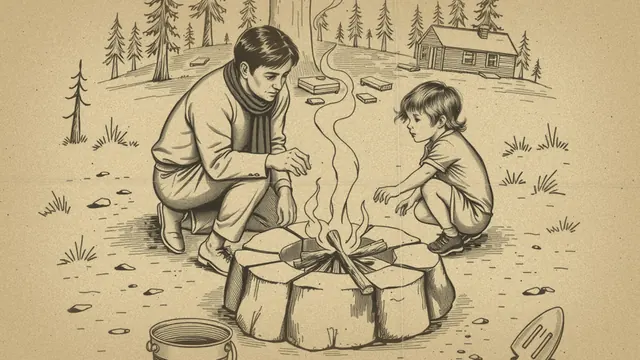
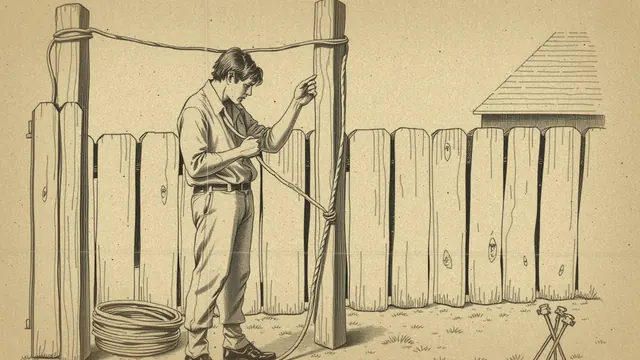
Fire starting and knot tying are classic outdoor skills, and they're worth learning for the confidence they bring. Our guide to fire starting covers tinder, ferro rods and the safety rules that keep fire where it belongs, including local burn bans. Knots everyone should know teaches four reliable knots for tying down tarps, securing loads and hanging gear, all of which come up after storms.
Navigation and communication
When roads close or cell service drops, a paper map and a written plan become valuable. Learn to read a road map, use a basic compass, and agree on an out-of-area contact. Turn on emergency alerts on your phone, and keep a battery-powered or hand-crank radio for weather warnings.
Mindset: the skill under every skill
Staying calm enough to think is a skill you can build. Practice makes emergencies feel familiar, and familiar feels manageable. Our guide to the prepper mindset explains how to replace fear with steady habits, which makes every other skill on this list easier to use under stress.
A 12-week skills plan for a household
Here's a simple way for a household to learn the essentials over a season. Picture a couple in their late 30s with a teenager and a grandparent who uses a walker.
- Weeks 1-2: everyone who can attends a first aid and CPR class; the grandparent reviews their medication list with the pharmacist.
- Weeks 3-4: the teen leads a "lights out" evening using only flashlights and backup supplies.
- Weeks 5-6: the family practices treating water and refreshes their stored supply.
- Weeks 7-8: they cook two meals on a camp stove outdoors and test their cooler plan.
- Weeks 9-10: they map two evacuation routes, plus one that works for the walker, and drive them.
- Weeks 11-12: a weekend camping trip to practice knots and fire starting safely.
Each step is small, but by the end the whole household has practiced the skills they'd actually need.
Where to learn, often for free
- CERT: FEMA's Community Emergency Response Team program trains volunteers in basic disaster response skills. See our community preparedness guide.
- Red Cross and American Heart Association: first aid, CPR and AED classes.
- Extension offices: food preservation, gardening and home skills.
- Libraries: books, workshops and sometimes tool-lending programs.
- Parks and recreation departments: outdoor skills, map reading and camping basics.
If you're considering a paid survival course, our Choosing a Program section explains when a course is worth it and what to check first.
Your skills checklist for today
- Look up one first aid or CPR class near you and put it on the calendar.
- Find your home's water shutoff valve and electrical panel.
- Write out your family's meeting place and out-of-area contact.
- Check whether your flashlights work and where the spare batteries are.
- Tie one knot from our knots guide until you can do it without looking.
Want a guided preparedness plan?
Some people like the structure of a paid guide. This button opens a third-party survival or preparedness program from one of our advertising partners. Its claims are its own, not ours, so weigh them against our red flags checklist.
See the partner program →We may be paid when you click. The program shown can change. Read its terms before you buy anything. How this works
Frequently asked questions
What is the most important survival skill?
For most people, basic first aid and staying calm enough to make good decisions matter most. Knowing how to get safe water and stay warm or cool come right after.
Where can I learn survival skills for free?
Libraries, county extension offices, local emergency management, fire departments and FEMA's CERT program often offer free or low-cost classes. Scouting groups, hiking clubs and parks programs teach outdoor basics too.
Do I need wilderness skills to be prepared?
Not really. Most emergencies happen at home or in town, so first aid, water safety, staying warm and making a plan help more often than wilderness techniques.