Off-Grid Living for Beginners: Start Small and Build Up
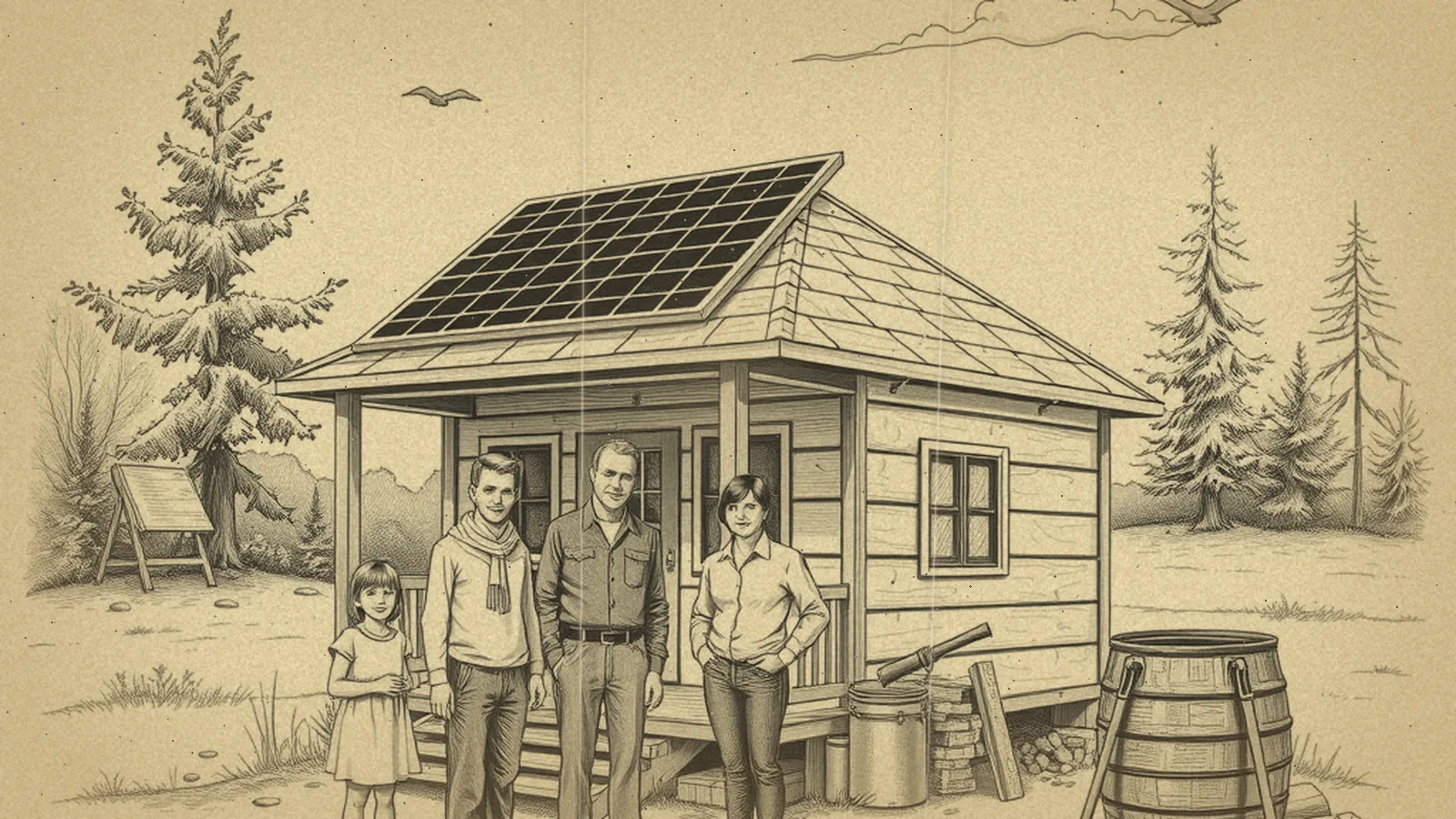
Off-grid living means supplying your own power, water, heat and waste handling instead of relying fully on public utilities. For beginners, the smartest path is to start small: add one backup system at a time to the home you already have, practice using it, and check codes and permits before any big project. Many people find that "partly off-grid" gives them most of the resilience with far less cost and risk.
Off-grid skills sit at the bigger end of our Self-Reliance section. You don't need to buy land in the country to benefit. An apartment dweller with a battery power station and stored water, or a suburban family with a rain barrel and a wood stove, is already practicing the basics.
The four systems
Every off-grid home, from a cabin to a city rowhouse with backups, has to answer four questions:
| System | The question | Beginner step |
|---|---|---|
| Power | How do you run lights, a fridge, phones and medical devices? | A battery power station plus a solar panel |
| Water | Where does drinking, cooking and washing water come from? | Stored water plus a way to treat it |
| Heat (and cooking) | How do you stay warm and cook safely? | A safe heating plan and outdoor cooking setup |
| Waste | Where do trash, compost and toilet waste go? | Kitchen composting and an emergency toilet plan |
Power
Start by listing what you truly need: a few lights, phone charging, a fan, maybe a small fridge or a medical device. Then size a system to those needs rather than your whole house.
- Battery power stations can be charged from wall power, a car or solar panels, and are safe to use indoors because they don't burn fuel. Our guide to portable power stations explains what they can and can't run.
- Solar panels add recharging during sunny weather. Larger rooftop or ground-mounted systems usually need permits and a licensed electrician.
- Fuel-burning generators are a backup, not a living-room appliance. Never run one inside a home, basement, garage or camper, even with windows open; keep it at least 20 feet from windows, doors and vents; and install battery-powered or battery-backup carbon monoxide alarms. Our generator safety guide covers this in depth.
Water
Water is the system people most often underestimate. Ready.gov's emergency guideline of at least a gallon per person per day is a floor, not a goal, and daily off-grid life uses more for washing, gardens and animals. Our guide to how much water to store explains the guideline in detail.
- Keep a stored supply for emergencies, rotated on a schedule.
- Learn at least one way to make water safe to drink.
- Rain barrels can supply gardens, and with proper treatment may serve other uses; state and local rules on collection vary.
- Private wells need a power plan for the pump and regular testing.
Heat and cooking
- Wood stoves need proper installation, clearances, a chimney that's inspected and cleaned, and often a permit. Install smoke alarms and carbon monoxide alarms.
- Never use a gas stove or oven to heat your home.
- Camp stoves and grills that burn propane, charcoal or other fuels belong outdoors only.
- Passive approaches help everyone: insulation, heavy curtains, weatherstripping and choosing one room to keep warm.
Waste
- Compost handles kitchen scraps and yard waste. Our composting guide shows how.
- Septic systems and composting toilets are tightly regulated for health reasons. Check your state and local rules before installing anything.
- Emergency toilets (a bucket with liners and absorbent material) are a good backup in any home during outages or water disruptions.
Food without the fridge
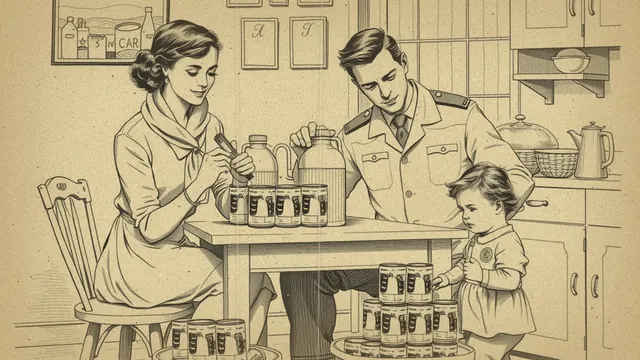
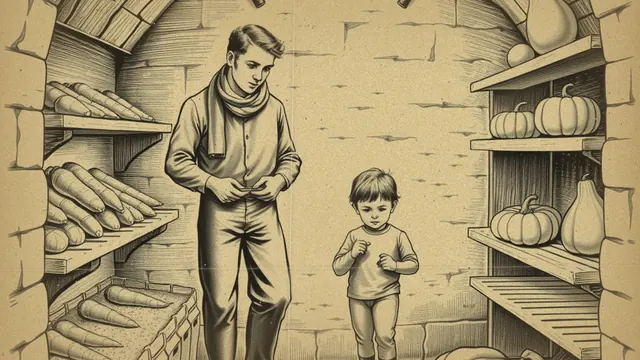
Off-grid kitchens rely on pantry staples, canning, drying and cold storage. A root cellar or cool basement corner keeps potatoes, roots and apples for months without power. Our guide to building a root cellar covers simple versions you can set up this season.
Tools and skills come first
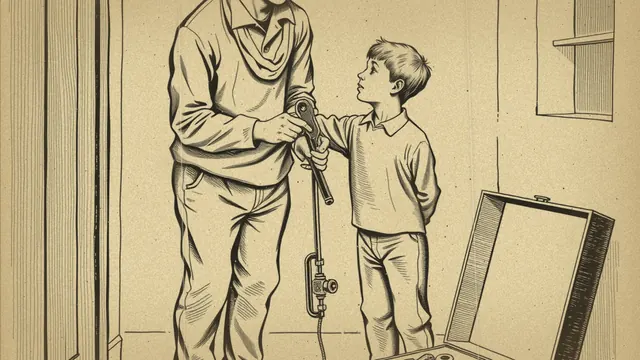
Off-grid life is mostly maintenance: tightening fittings, splitting wood, fixing a leak, swapping a battery. A solid home toolkit and the know-how to use it matter more than any single gadget. Our list of essential tools is a practical place to start.
If you're new to preparedness in general, build the foundation first: water, food, a basic kit and a family plan. Our prepping for beginners guide walks through those first steps calmly.
Watch out for big promises
Off-grid marketing can lean on fear and urgency: kits that "guarantee" energy independence, countdown timers, or claims that you can power a whole home with a small device. No system guarantees comfort or safety. Read our guide to red flags in survival products before you spend real money.
A weekend test run
Before investing heavily, try a "grid-light" weekend at home:
- Flip off non-essential breakers or simply don't use grid power for lights and charging (keep your fridge running and any medical devices on their normal supply).
- Run lights and phone charging from a power station.
- Use only stored water for drinking and cooking, and track how much you use.
- Cook outdoors or with no-cook meals.
- Take notes: what was hard, what you ran out of, what you'd buy or learn next.
A family of four might discover they used far more water than expected, or that their power station ran out by Sunday morning. That's exactly the kind of lesson that saves money later.
A starter checklist
- Battery power station sized to your basic needs
- A folding solar panel matched to that station
- Stored water and a way to treat it
- Battery or battery-backup carbon monoxide and smoke alarms
- A safe backup heat plan for your climate
- A compost bin and an emergency toilet kit
- Basic hand tools and a utility shutoff wrench
What you can do today
- List the devices you'd need to power in a multi-day outage.
- Check the batteries in your smoke and carbon monoxide alarms.
- Look up your county's building and permit office and your local cooperative extension office for workshops on wells, solar or gardening.
- Plan a grid-light weekend on your calendar.
Off-grid living is a direction more than a destination. Each system you add makes your household a little steadier during outages, and you can move at a pace that fits your budget, home and family.
Want a guided preparedness plan?
Some people like the structure of a paid guide. This button opens a third-party survival or preparedness program from one of our advertising partners. Its claims are its own, not ours, so weigh them against our red flags checklist.
See the partner program →We may be paid when you click. The program shown can change. Read its terms before you buy anything. How this works
Frequently asked questions
How do I start living off-grid?
Start by making your current home less dependent on the grid one system at a time: a battery power station, stored and collected water, a safe backup heat plan and a composting habit. Practice living on those systems for a weekend before considering a bigger move.
Do I need permits to live off-grid?
Often, yes. Solar systems, wells, septic or composting toilets, wood stoves and rainwater collection are regulated differently from place to place, so check your state and local rules and talk with your building department before you build.
Is a generator a good off-grid power source?
It can be a backup, but fuel-burning generators must always run outdoors, at least 20 feet from windows, doors and vents, never in a home, garage or basement. Battery power stations and solar panels can run safely indoors and are quieter for everyday loads.