How Much Water to Store for an Emergency
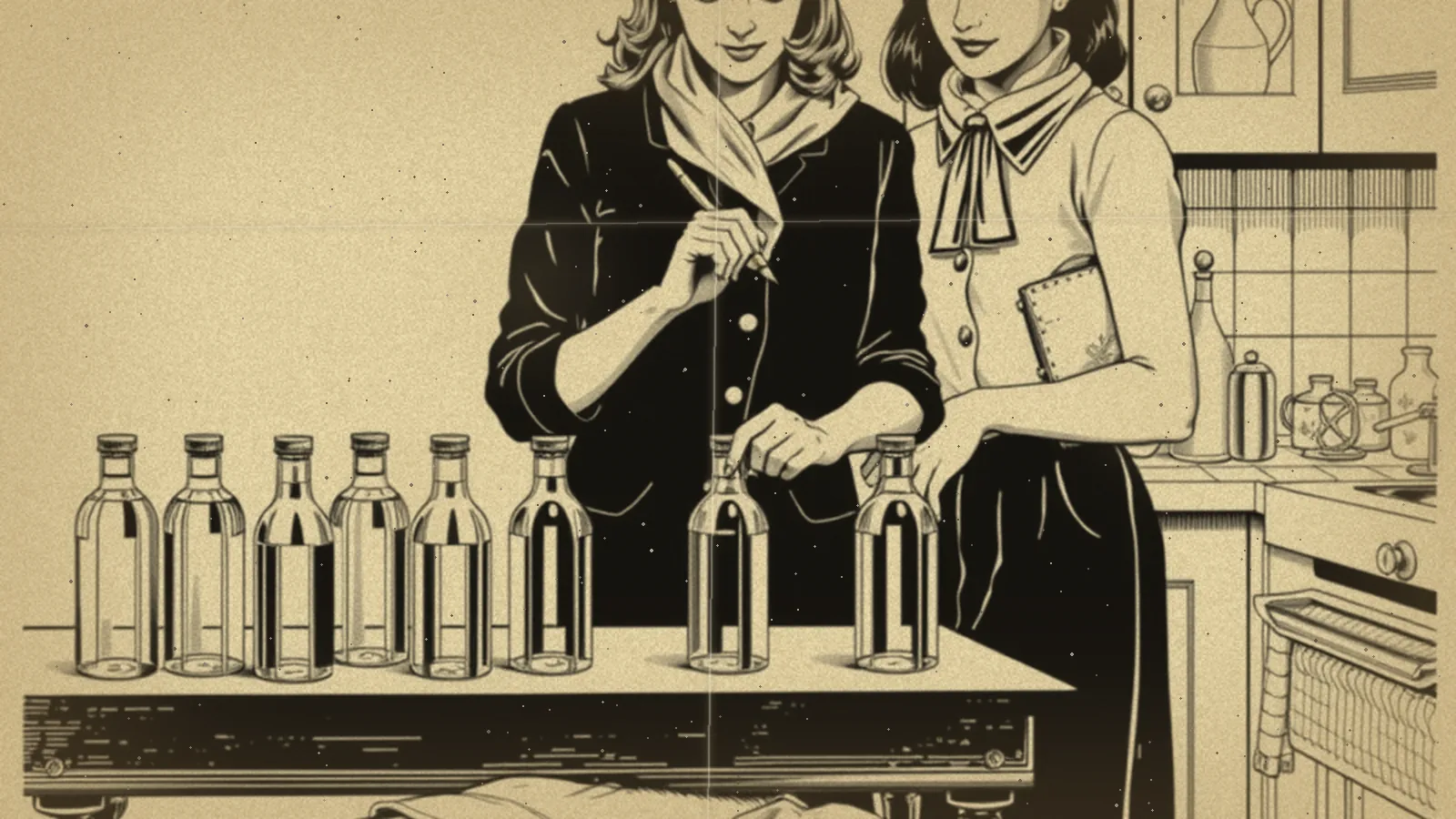
Store at least one gallon of water per person per day. That's FEMA's Ready.gov guideline, and the gallon covers both drinking and basic sanitation like brushing teeth and washing hands. Keep at least three days' worth in your evacuation kit, and aim for two weeks at home if you can.
This is the starting point for everything else in our Water section, because once you know your number, choosing containers and a storage spot gets much easier.
The guideline, in plain terms
Ready.gov's advice breaks into three parts:
- The daily amount: at least one gallon per person per day, for drinking and sanitation together.
- The evacuation minimum: a three-day supply is a common minimum for a kit you might grab and go with.
- The home goal: a two-week supply, if possible, for sheltering at home.
The word "least" matters. A gallon a day keeps a healthy adult going in mild weather with careful use. It doesn't cover showers, laundry or washing dishes the usual way. Children, nursing mothers, people who are sick and anyone in a hot climate may need more. If someone in your home has a medical condition, ask their doctor whether they need extra fluids.
A worked table for real households
Here's the guideline worked out for a few households. These are minimums at one gallon per person per day, before any extras.
| Household | People | 3 days | 2 weeks |
|---|---|---|---|
| Single renter in a studio | 1 | 3 gallons | 14 gallons |
| Couple in an apartment | 2 | 6 gallons | 28 gallons |
| Parent with two kids | 3 | 9 gallons | 42 gallons |
| Family of four | 4 | 12 gallons | 56 gallons |
| Multigenerational home | 6 | 18 gallons | 84 gallons |
Those two-week numbers can look large. A family of four needs 56 gallons, which is about eleven 5-gallon jugs or a large stack of cases. Few households get there in one trip, and they don't need to. Start with three days, then add a few gallons each time you shop.
When to plan for more
Bump up your numbers if any of these fit your home:
- Heat: If you live somewhere with hot summers, or your emergency plan includes staying cool without power, people will drink more.
- Babies: Powdered formula needs safe water for mixing. Plan for it on top of everyone's daily gallon.
- Nursing, pregnancy or illness: These raise fluid needs. Ask the person's doctor or midwife how much extra makes sense, and store a little more than you think you'll need.
- Older relatives: Some older adults feel thirst less, so they benefit from a supply that's easy to reach and drinks set out on a schedule.
- Cooking: Rice, pasta, beans and many dried foods need water. If your food supply leans on dry staples, add water for cooking.
Don't forget pets
Pets need their own water, and they can't tell you when they're thirsty. How much depends on the animal's size, diet and the weather. A large dog drinks far more than a cat, and animals on dry food tend to drink more than those on wet food.
The best approach is to watch how much your pets drink on a normal day, then store at least two weeks of that amount plus a margin. Your veterinarian can tell you what's right for an older pet or one with health issues. Our guide to water for pets goes into this in more detail.
Your water-counting worksheet
Grab a pen and fill this in today. It takes about five minutes.
- Write down how many people live in your home: ______
- Multiply by 3 for your evacuation kit: ______ gallons
- Multiply the number of people by 14 for your home supply: ______ gallons
- Add extra for babies, heat, illness or cooking: ______ gallons
- Add your pets' daily water times 14: ______ gallons
- Check what you already have on hand: ______ gallons
- Subtract to find what's left to buy or fill: ______ gallons
Tape this inside a cabinet door. When you add water to your supply, update the last line.
Where the water goes
Once you know the amount, the next questions are what to put it in and where to keep it.
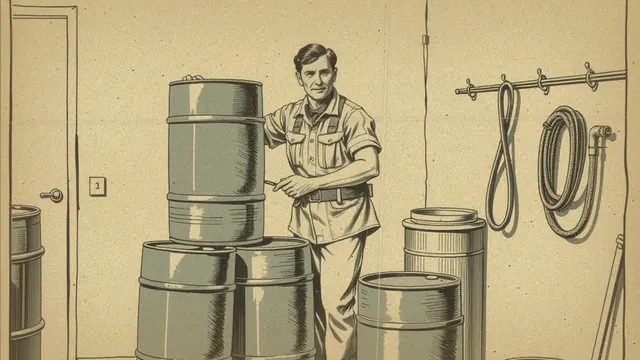
Our guide to water storage containers explains which jugs and barrels are food-safe, which sizes work for small spaces, and why you shouldn't reuse milk jugs. It's the natural next stop once you have your number.
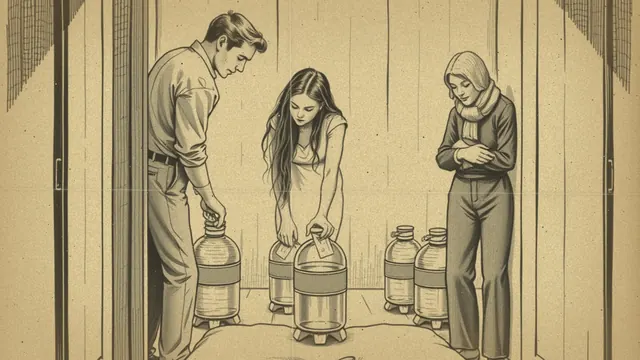
Our guide to how to store water long term covers filling, labeling and choosing a cool, dark spot. That matters most if you're working toward the full two-week goal.
And before you stock up, read water storage mistakes. It covers the common slip-ups, like storing jugs in a sunny garage or next to cleaning chemicals, that can spoil a supply you worked hard to build.
Fitting water into your go-bag
Water is heavy. Even three gallons for one person is a real load if you have to evacuate on foot. For your grab-and-go kit, smaller sealed bottles are easier to pack and share. Many households keep the full three-day supply in the car or by the door rather than inside the backpack itself.
Our 72-hour kit checklist shows how water fits alongside food, a radio, a flashlight and the rest of the Ready.gov basic kit.
Building your supply without overspending
You don't need special products. Plain store-bought water in sealed containers is one of the cheapest ways to start, and it comes with a date printed on it. Tap water in clean food-grade containers costs even less.
Be wary of anyone selling expensive "survival water" with fear-based marketing or countdown timers. Our guide to survival product red flags explains how to spot those pitches.
The bottom line
One gallon per person per day, at least three days in your kit and two weeks at home if you can manage it. Adjust up for kids, heat, illness and pets. Then fill your first few containers this week. A partial supply on the shelf is worth far more than a perfect plan on paper.
Want a guided preparedness plan?
Some people like the structure of a paid guide. This button opens a third-party survival or preparedness program from one of our advertising partners. Its claims are its own, not ours, so weigh them against our red flags checklist.
See the partner program →We may be paid when you click. The program shown can change. Read its terms before you buy anything. How this works
Frequently asked questions
How much water does one person need per day in an emergency?
FEMA's Ready.gov recommends at least one gallon per person per day, which covers both drinking and basic sanitation. Children, nursing mothers, sick people and anyone in a hot climate may need more.
How much water should a family of four store?
At one gallon per person per day, a family of four needs 12 gallons for three days and 56 gallons for two weeks. Add extra for pets, hot weather or anyone with higher needs.
Is a three-day supply of water enough?
Three days is a common minimum for an evacuation kit you can carry. For home, Ready.gov recommends a two-week supply if possible, since water service can take longer than a few days to come back after a major disaster.