How to Build a Root Cellar, or Use a Simpler Alternative
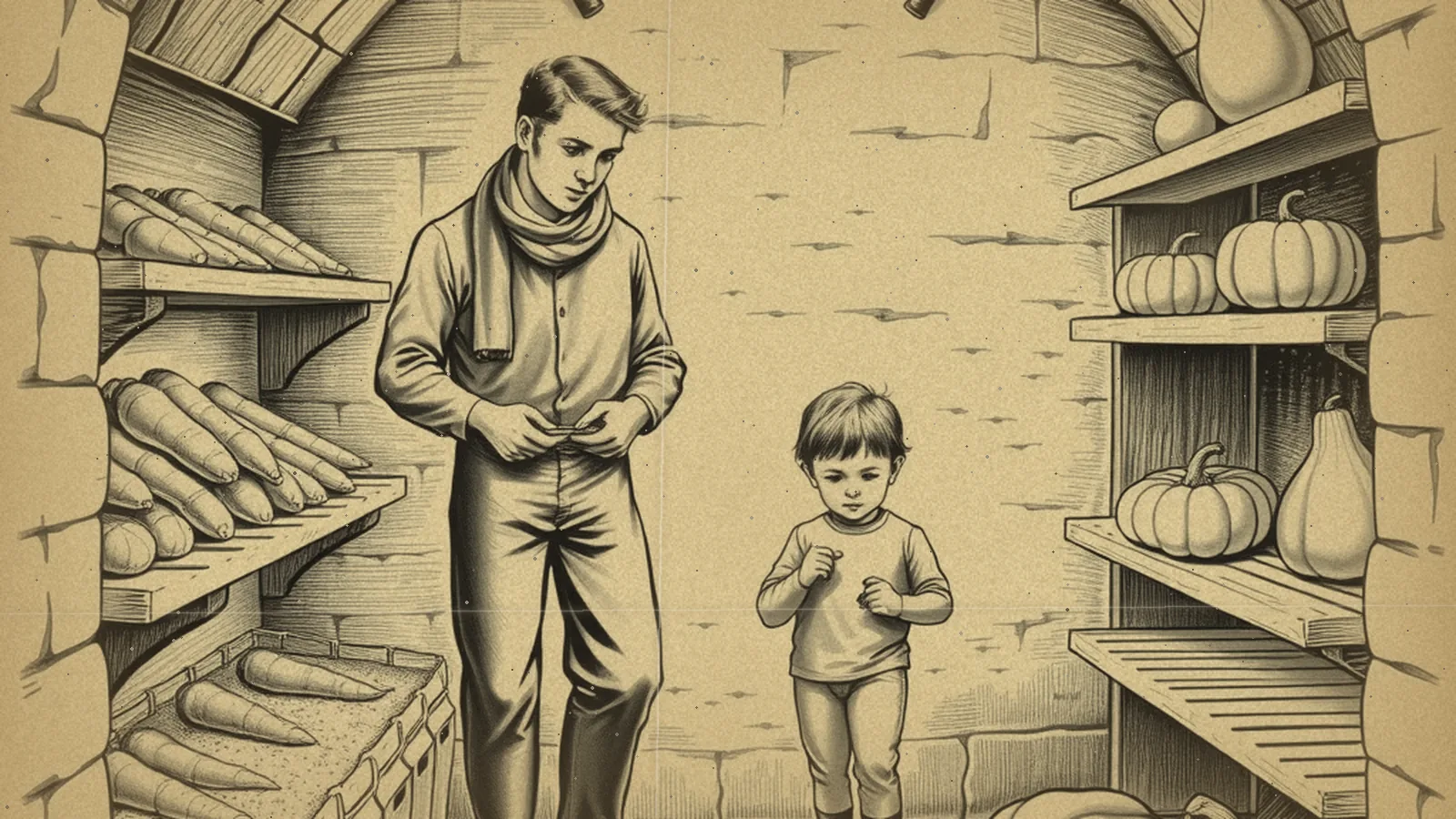
A root cellar is any space that stays cool, dark and fairly humid so that potatoes, carrots, cabbage, apples and other produce last for months without power. You can dig a traditional underground cellar, but most households start with a simpler option: an unheated basement corner, a buried bin, an insulated box in a garage, or a cool closet. The key is matching each crop to the right conditions and checking stored food often.
Cold storage is one of the oldest food-keeping skills, and it fits naturally into our Self-Reliance section. It needs no electricity, works alongside canning and drying, and lets a garden harvest feed you well into winter.
What a root cellar needs
| Condition | Why it matters |
|---|---|
| Cool | Slows ripening, sprouting and rot |
| Above freezing | Frozen produce turns mushy and spoils |
| Humid (for most roots) | Keeps carrots, beets and potatoes from shriveling |
| Dark | Stops potatoes from sprouting or turning green |
| Ventilated | Lets out ethylene gas and stale, damp air |
| Protected | Keeps out rodents and other pests |
A simple thermometer with a humidity readout lets you see what you're working with. Check it on cold nights and warm afternoons for a few weeks before you load the space with food.
Simple alternatives to a dug cellar
Basement corner
An unheated basement corner, ideally on the north side, can be partitioned off with insulated walls to keep the furnace's warmth out. Bins or slatted shelves keep produce off the floor. This is the most common choice for suburban homes.
Buried bin or trash can
A clean bin buried in the ground with its lid near the surface, layered with straw and covered with more straw or soil, can store carrots, beets and turnips through winter in many climates. Use a container that's never held chemicals, and check your local rules before digging, and contact your area's call-before-you-dig service to have buried utility lines marked.
Garage or porch box
An insulated cooler or a homemade box in an unheated garage or enclosed porch can work where winters are cold but not bitter. Watch for nights when it might freeze.
Cool closet or under-stair space
In apartments, a closet against an outside wall or a spot away from heat vents can hold onions, garlic, winter squash and sweet potatoes, which prefer drier storage.
In-ground storage
In some climates, carrots, parsnips and leeks can stay right in the garden under a thick layer of straw or leaves and be dug as needed.
Building a traditional root cellar
A dug or earth-bermed cellar is a bigger project. Before you start:
- Check your state and local rules. Excavation and structures often need permits, and building codes may apply.
- Know your water table and drainage. A cellar in soggy ground will flood.
- Get structural help. Earth is heavy. Walls and roofs that hold back soil should be designed by someone qualified. Never work in an unsupported trench or excavation.
- Plan ventilation. Traditional cellars use a low intake vent and a high exhaust vent so air moves naturally.
- Plan safe access. Sturdy stairs, a railing and good lighting matter, especially for older relatives.
Your local cooperative extension office can share regional guidance on storage conditions and crop varieties that keep well.
Some homesteaders like to combine a root cellar with other off-grid systems. Our guide to off-grid living basics explains how to approach power, water and heat without overcommitting.
Which crops go where
| Crop | Storage style | Tips |
|---|---|---|
| Potatoes | Cool, humid, dark | Cure first; never store near apples |
| Carrots, beets, turnips | Cold, humid | Trim tops; pack in damp sand or sawdust |
| Cabbage | Cold, humid | Store away from other foods because of its odor |
| Apples | Cold, humid | Keep separate from vegetables |
| Winter squash | Cool and dry | Cure in warmth first; leave stems on |
| Sweet potatoes | Warmer and dry | Cure first; avoid cold spaces |
| Onions and garlic | Cool and dry | Braid or hang in mesh bags |
Preparing produce for storage
- Harvest at the right time. Late-season crops store best.
- Handle gently. Bruises and cuts lead to rot.
- Cure where needed. Potatoes, squash, sweet potatoes, onions and garlic store longer after a curing period.
- Don't wash roots. Brush off loose soil instead.
- Sort carefully. Eat damaged produce first and store only sound pieces.
- Label bins with the crop and date.
Checking stored food
Make a weekly walk-through part of your routine. Look and smell for soft spots, mold or sprouting. One rotting potato can spoil the bin around it. Pull anything questionable, and add trimmings and spoiled produce to your compost pile; our composting guide shows how. When in doubt about whether a food is safe to eat, throw it out.
Tools and supplies
- Thermometer with humidity readout
- Slatted crates, wooden bins or ventilated boxes
- Clean sand, sawdust, peat or leaves for packing roots
- Mesh bags for onions and garlic
- A sturdy shovel and wheelbarrow for bigger builds
- Headlamp or battery lantern
Most of these overlap with a basic home toolkit. Our list of essential tools covers the hand tools that do double duty around a homestead.
How cold storage fits a food plan
Cold storage is great for fresh produce, but most roots and fruits keep for weeks to months, not years. Pair your cellar with shelf-stable staples. Our guide to long-term food storage covers rice, beans, oats and other foods that keep much longer.
A worked example
A retired couple in a cold-winter state partitions a corner of their basement with rigid insulation, adds a small vent to an outside window, and sets up slatted shelves. They store potatoes in burlap-covered crates on the bottom, carrots in bins of damp sand, and apples in a separate cooler across the room. Onions and squash go in a dry upstairs closet. Every Sunday they walk through, pulling anything soft for the compost bucket.
What you can do today
- Put a thermometer with a humidity readout in two or three candidate spots and check them for a week.
- List the crops you grow or buy in bulk that store well.
- Gather some crates, sand and mesh bags.
- Call your extension office for storage guidance specific to your region.
A root cellar doesn't have to be a big build. Start with the coolest corner you have, store a few crops, and learn how your space behaves through one winter.
Want a guided preparedness plan?
Some people like the structure of a paid guide. This button opens a third-party survival or preparedness program from one of our advertising partners. Its claims are its own, not ours, so weigh them against our red flags checklist.
See the partner program →We may be paid when you click. The program shown can change. Read its terms before you buy anything. How this works
Frequently asked questions
Do I need a real root cellar to store vegetables?
No. A cool basement corner, an unheated garage that stays above freezing, a buried bin or even a cool closet can store many root crops and squash for weeks or months. Match each crop to the conditions you have.
What vegetables store best in a root cellar?
Potatoes, carrots, beets, turnips, cabbage and apples like cool, humid storage, while winter squash, sweet potatoes, onions and garlic prefer drier conditions. Store only unbruised, healthy produce.
Why should apples be stored apart from potatoes and other vegetables?
Apples and some other fruits give off ethylene gas, which can make nearby vegetables sprout or spoil faster. Keep them in a separate area or container.