Emergency Water: Storing It, Treating It and Finding Backup Sources
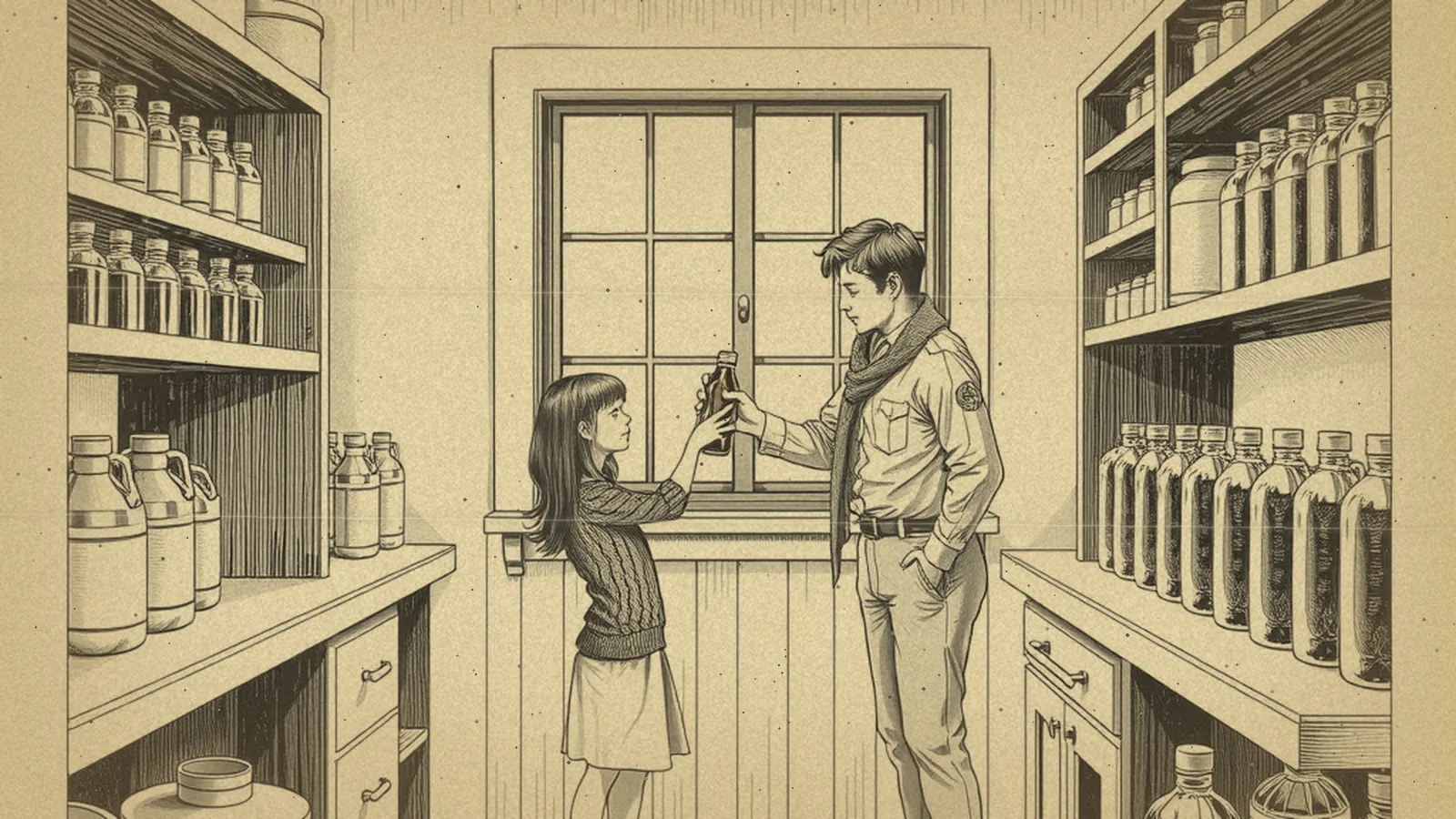
Water is the first thing to get right in any emergency plan. A storm, a broken water main or a long outage can leave your tap dry or unsafe for days, and you can go without plenty of comforts but not without drinking water. The good news: storing water is cheap, quiet work you can finish in an afternoon, and making doubtful water safer takes only a pot, a stove or a bottle of plain bleach.
If you came here worried after a news story or an alarming video, that feeling makes sense. The cure for it is a plan you can see on a shelf. Start with one week of water for your household, and build from there.
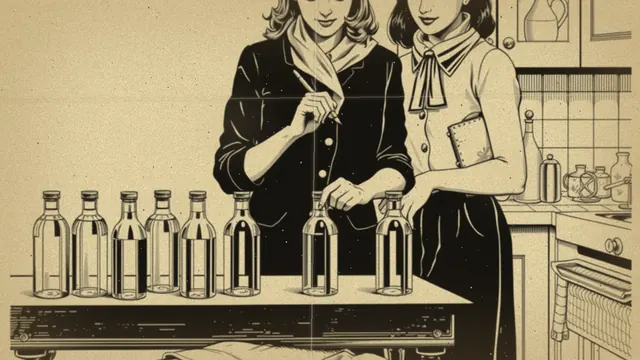 How Much Water to StoreThe one-gallon-per-person-per-day rule, worked out for real households and their pets.
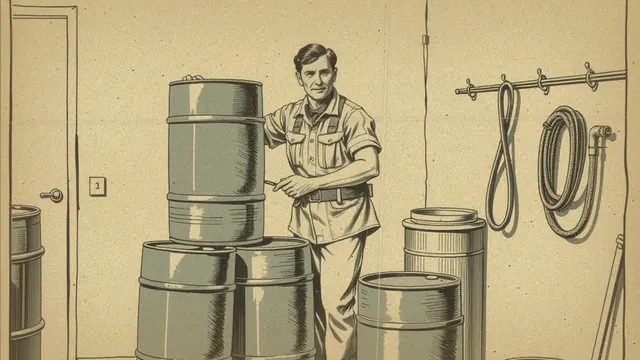 Water Storage ContainersFood-grade jugs, stackable bricks and barrels compared, plus the containers to leave on the shelf.
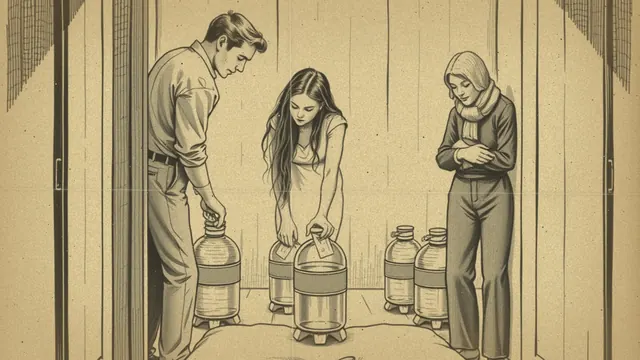 Storing Water Long TermFill, seal, label and shelve your emergency water so it stays clean until you need it.
 Rotating Stored WaterA simple schedule for swapping out stored water, and practical ways to reuse the old supply.
 How to Purify WaterBoiling, bleach and filters compared, with a simple guide to which method fits which situation.
 Boiling WaterThe CDC's rolling-boil timing, the high-elevation rule, and how to cool and store boiled water.
 Bleach Water PurificationThe EPA's drops-per-gallon guidance, which bleach to buy, and how to treat cloudy water.
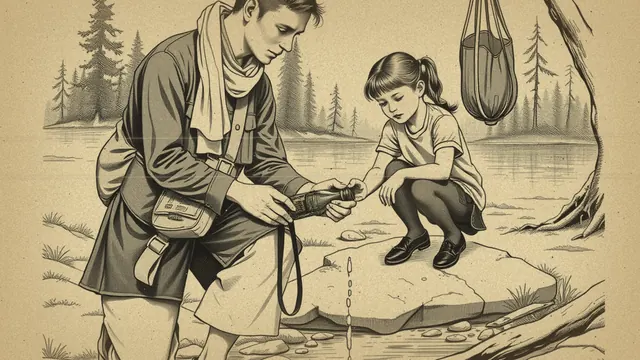 Water FiltersGravity, pump, straw and bottle filters compared, plus what a filter can and can't take out of water.
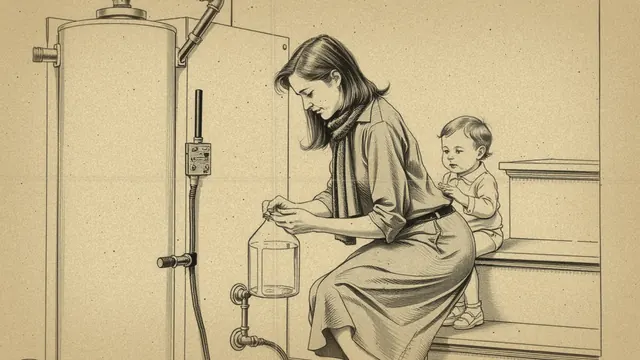 Water Sources at HomeYour water heater, pipes and freezer hold backup water. Here's how to use them and what to leave alone.
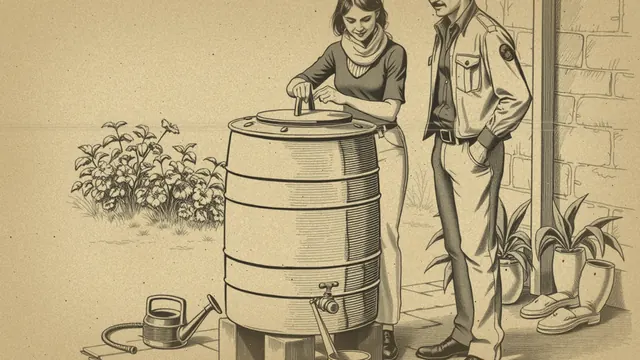 Rainwater HarvestingSet up a rain barrel, keep it clean, and learn why harvested rain needs treating before anyone drinks it.
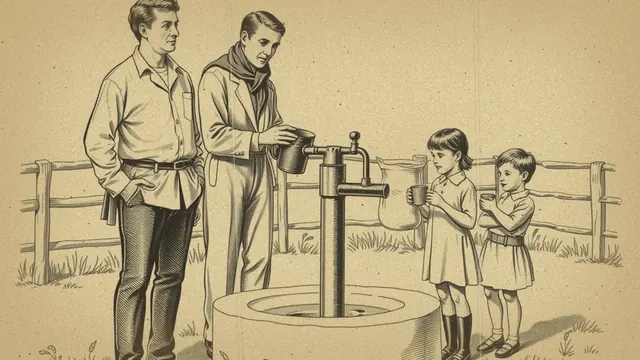 Well WaterKeep water flowing when the well pump loses power, and know what to do if floodwater reaches your well.
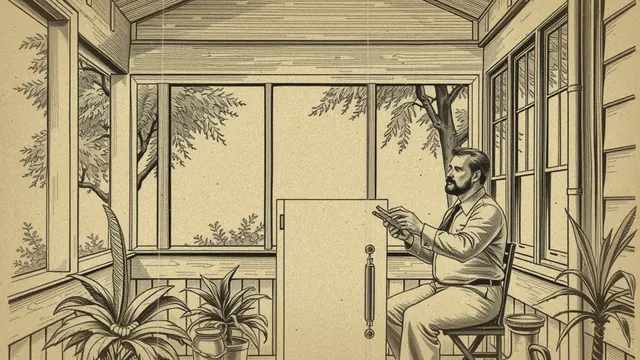 Atmospheric Water GeneratorsHow water-from-air machines work, what they need, and why "never pay for water again" plans deserve a second look.
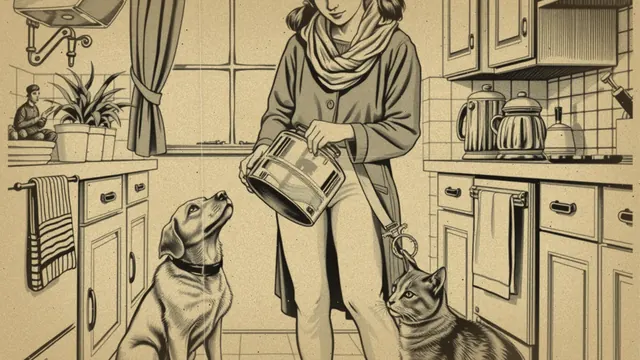 Water for PetsMeasure what your pets really drink, add it to your water supply, and keep them away from unsafe water.
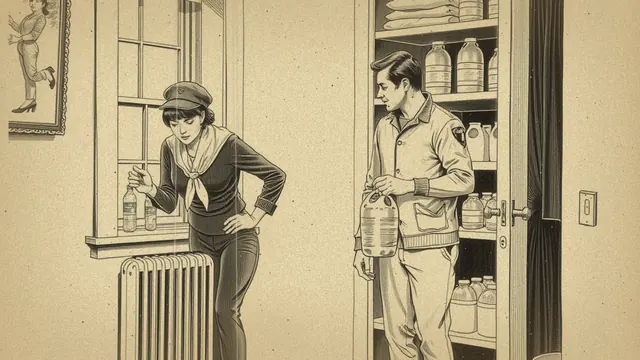 Water Storage MistakesMilk jugs, sunny shelves, gas cans nearby and forgotten rotation dates: the easy fixes for each.
Where to start: three steps for this weekend
You don't need to read every guide before you do something useful. These three steps cover most of what matters.
- Count your people and pets. Use our guide to how much water to store to turn the one-gallon-per-person-per-day guideline into a real number for your home.
- Fill a few clean containers. Sealed store-bought water is the easiest start. If you'd rather fill your own, our guide to water storage containers explains which ones are food-safe.
- Put a date on the calendar. Stored water needs a check-up now and then. Our guide to rotating stored water gives a simple routine.
Storing water versus treating water
These guides fall into two groups, and it helps to know which problem you're solving.
| Situation | What you need | Guide to read |
|---|---|---|
| Tap still works, but you want a backup | Clean, stored water | How to store water long term |
| Officials issue a boil water notice | A safe way to treat tap water | Boiling water |
| You can't boil (no power or fuel) | A chemical backup | Bleach water purification |
| You're unsure which method fits | An overview of your options | How to purify water |
| Stored water runs low | Backup sources and filters | Emergency water sources at home |
Stored water is your first line. Treatment methods are your second. Backup sources like rain barrels and wells are your third, and they almost always need treating before anyone drinks from them.
Who needs extra water
The one-gallon guideline is a floor, not a ceiling. Plan for more if your household includes:
- Babies and young children, especially if formula needs mixing
- Someone who is nursing, pregnant, sick or recovering from illness
- Older relatives who may get dehydrated more easily
- People who live where summers are hot, or who work outside
- Dogs, cats and other animals (see our guide to water for pets)
A renter in a small apartment and a rural family on a well face different challenges. The apartment dweller may be short on space, so under-bed and closet storage matter. The rural family may lose their well pump when the power goes out, so our guide to well water in emergencies is worth a look.
How water fits the rest of your plan
Water connects to nearly every other part of being prepared.
- Kits: Water is the heaviest item in a go-bag. Our 72-hour kit checklist shows how to fit it in with everything else.
- Food: Many shelf-stable foods, like rice and beans, need water to cook. Our emergency food supply guide helps you plan both together.
- Power outages: If the power is out, you may also lose hot water and, for some homes, running water. See how to prepare for a power outage.
- Hygiene: Clean hands and safe toilets prevent illness when water is short. Our guide to sanitation and hygiene covers both.
A note on gadgets and miracle claims
You'll see plenty of water products sold with dramatic marketing. Some are useful; some promise more than any product can deliver. Before buying anything that claims to make any water safe, read the label for what it has been tested to remove, and check our guide to atmospheric water generators for one example of a device worth questioning carefully. When you're weighing paid courses or survival plans, our guide to choosing a program walks through what to look for and what to skip.
Always follow local officials
During a boil water notice, flood or other emergency, your local water utility and emergency officials know your situation best. Follow their instructions about whether tap water is safe, when to boil it and when the notice ends. If they tell you to evacuate, go, and take your stored water with you if you can carry it.
Start small. One case of water and a marked calendar date is a real step, and every guide in this section builds on it.
Want a guided preparedness plan?
Some people like the structure of a paid guide. This button opens a third-party survival or preparedness program from one of our advertising partners. Its claims are its own, not ours, so weigh them against our red flags checklist.
See the partner program →We may be paid when you click. The program shown can change. Read its terms before you buy anything. How this works
Frequently asked questions
How much water should I store for an emergency?
Ready.gov recommends at least one gallon per person per day, covering drinking and sanitation. Aim for at least a few days for an evacuation kit and about two weeks at home if you can manage it.
What is the simplest way to make water safer in an emergency?
Bringing clear water to a rolling boil and letting it cool is the method most people already have the tools for. If you can't boil, plain unscented household bleach used at the EPA's measured dose is a common backup.