How to Save Seeds From Your Garden
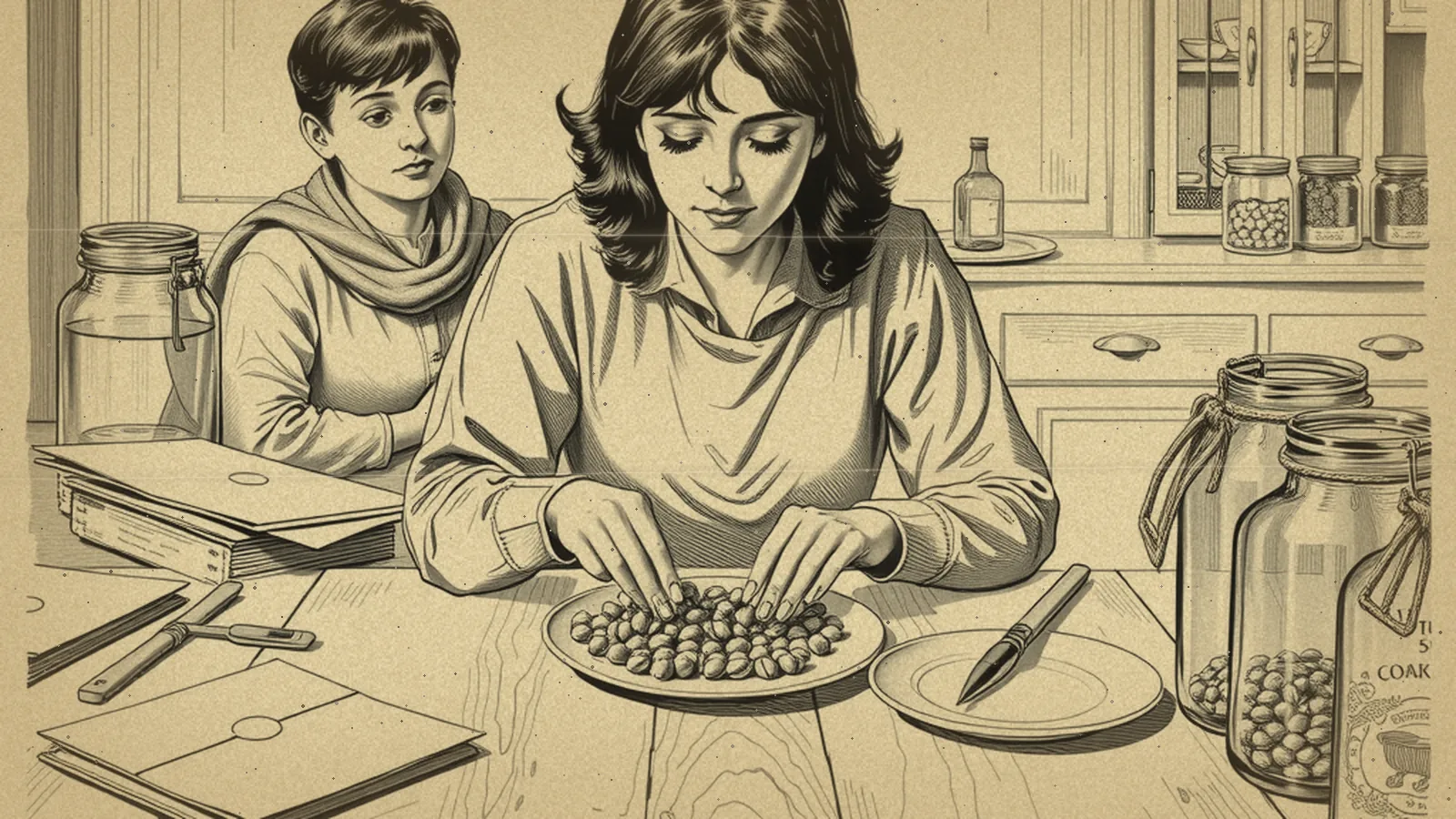
To save seeds, grow an open-pollinated or heirloom variety, let a few of your healthiest plants fully ripen their seeds, then collect, clean and dry the seeds completely before storing them in labeled containers in a cool, dark, dry place. Beans, peas, lettuce and tomatoes are the easiest crops to start with.
Seed saving is a quiet, satisfying skill in our Self-Reliance section. It lowers your garden costs, gives you varieties that grow well in your own yard, and makes you less dependent on finding the right seed at the store each spring. It also connects you with neighbors, because saved seed is made for sharing.
Open-pollinated, heirloom and hybrid: what the labels mean
| Type | What it means | Save seed from it? |
|---|---|---|
| Open-pollinated | Pollinated by insects, wind or the plant itself; offspring resemble the parent if kept from crossing | Yes |
| Heirloom | An open-pollinated variety passed down for generations | Yes |
| Hybrid (often marked F1) | A cross between two parent lines bred for specific traits | Seed often won't grow true |
| Treated seed | Coated with a fungicide or other treatment | Don't eat it; follow label directions |
If you're buying seed to start a seed-saving garden, look for "open-pollinated" or "heirloom" on the packet or catalog description.
The easiest crops to start with
Beans and peas
These usually pollinate themselves before the flower opens, so they rarely cross with neighbors. Leave pods on the plant until they're dry, papery and the seeds rattle. Pick them, finish drying indoors, then shell.
Lettuce
Let a few plants "bolt" (send up a tall flower stalk). After the flowers turn into fluffy white seed heads, shake them into a paper bag every few days.
Tomatoes
Pick a fully ripe fruit from a healthy plant. Scoop the seeds and their gel into a jar with a little water and let it sit for a few days, stirring daily. A layer of mold may form on top; that's normal. Rinse the seeds in a strainer and spread them on a plate to dry.
Peppers
Let the pepper ripen to its final color, then scrape the seeds onto a plate. Wear gloves for hot varieties.
Harder crops to save later
Squash, cucumbers, melons and corn cross easily with other varieties of the same type, carried by insects or wind. Saving true seed from them takes spacing, hand-pollinating or growing only one variety. If your neighbor grows a different squash over the fence, bees may mix the two, and next year's fruit could surprise you. That's not dangerous, just unpredictable, which is why experienced savers often tape squash blossoms shut after pollinating them by hand. Carrots, beets, onions and cabbage usually take two growing seasons to make seed. Master the easy ones first.
Step by step: saving seed from your garden
- Choose your best plants. Pick vigorous, disease-free plants with the traits you like: flavor, early harvest, heat tolerance.
- Save from several plants, not one. This keeps more variety in your seed and helps future plants stay strong.
- Let seeds fully mature. Seed from unripe fruit or green pods may not sprout.
- Clean the seed. Remove chaff, pulp and stems.
- Dry completely. Spread seeds in a single layer on paper or a screen, out of direct sun, with good airflow. Large seeds like beans should snap or shatter, not bend, when tapped with a hammer.
- Label everything. Variety, date, where it grew and any notes.
- Store cool, dark and dry. Paper envelopes inside an airtight jar work well.
Storage and testing
Different seeds keep for different lengths of time. Instead of relying on a chart, test your own seed each spring with a simple germination check:
- Count out ten seeds.
- Roll them in a damp paper towel and place it in a plastic bag.
- Keep it warm and check every couple of days.
- Count how many sprout. If most do, the seed is good. If only a few do, sow more thickly or save fresh seed this year.
A sealed jar on a closet shelf works for most households. Some people keep seed jars in the refrigerator; if you do, let the jar warm to room temperature before opening so moisture doesn't condense on the seeds.
How seed saving fits with the rest of your homestead
Saved seed is part of a loop. The garden produces seed, scraps and spent plants. Those scraps feed a compost pile, and the finished compost feeds next year's garden. Our composting guide explains how to turn garden waste into rich soil.
If you keep a small flock, chickens can clean up spent garden beds after harvest, but keep them away from plants you're letting go to seed, because they'll happily eat it. Our guide to backyard chickens covers whether a flock fits your space and your local rules.
And if you haven't planted yet, our plan for starting a survival garden helps you choose calorie-rich, storable crops, many of which are easy to save seed from.
Sharing seeds with your community
- Seed libraries: Many public libraries and community centers run free seed libraries where you "borrow" seed and return some at the end of the season.
- Seed swaps: Gardening clubs often hold swaps in late winter.
- Extension offices and master gardeners: Your cooperative extension office can point you to local programs and varieties suited to your region.
Some seed sellers and online programs make big promises about "survival seed vaults." Before you buy, read our guide on choosing a program or product wisely, which explains how to judge claims and find free alternatives.
What you can do today
- Check the seed packets you have and sort them into open-pollinated and hybrid.
- Pick one easy crop to save from this year: beans, peas, lettuce or tomatoes.
- Set aside a jar, some paper envelopes and a marker for your seed collection.
- Look up whether your library or extension office runs a seed library.
Every jar of saved seed is a small, practical step toward a more resilient garden. Start with one crop, learn the rhythm, and your seed collection will grow along with your skills.
Want a guided preparedness plan?
Some people like the structure of a paid guide. This button opens a third-party survival or preparedness program from one of our advertising partners. Its claims are its own, not ours, so weigh them against our red flags checklist.
See the partner program →We may be paid when you click. The program shown can change. Read its terms before you buy anything. How this works
Frequently asked questions
Can you save seeds from hybrid plants?
You can, but the plants that grow from them often won't look or taste like the parent. For seed that grows true, save from open-pollinated or heirloom varieties.
What are the easiest seeds to save for beginners?
Beans, peas, lettuce and tomatoes are good first choices. Beans, peas and lettuce usually pollinate themselves, and tomato seeds are simple to clean and dry.
How should I store saved seeds?
Keep fully dried seeds in labeled paper envelopes or airtight jars in a cool, dark, dry place. Moisture and heat are what shorten seed life the most.