Prepping on a Budget: How to Get Ready Without Overspending
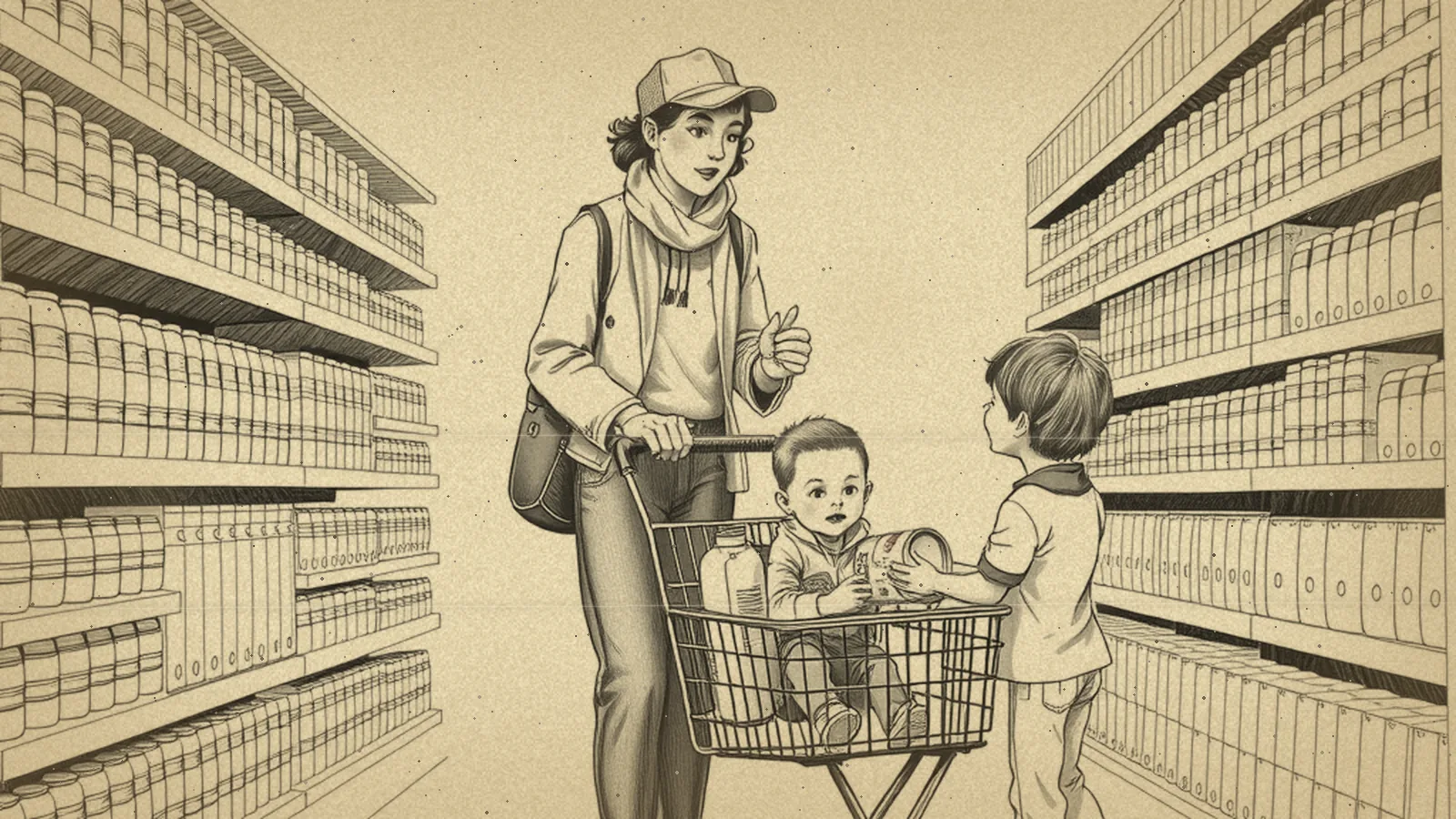
Prepping on a budget works best when you start with free steps, put water and food first, and buy a little each week instead of all at once. A plan, a few stored gallons and a shelf of everyday groceries will help you more in a real outage than an expensive gadget you never learned to use.
That idea runs through our whole Self-Reliance section: readiness is mostly habits, not purchases. Below is a priority list, a free checklist, a weekly-buy plan and the money traps worth avoiding.
Spend in the right order
When money is tight, the order you buy things matters more than the total. Here's a priority ladder that fits most households.
| Priority | What | Budget approach |
|---|---|---|
| 1 | Water | Clean, food-grade containers refilled from the tap, or a case of bottled water on each grocery trip |
| 2 | Medications and personal needs | Ask your doctor or pharmacist about refilling a little early; keep spare glasses and hearing aid batteries |
| 3 | Food | Extra cans and boxes of things you already eat, bought on sale |
| 4 | Light and information | Flashlights, headlamps, spare batteries, a hand-crank or battery radio |
| 5 | First aid and sanitation | A basic first aid kit, garbage bags, wipes, hand sanitizer |
| 6 | Everything else | Tools, cooking backup, comfort items, extras for guests |
Notice what's missing: specialty gear. Those items can wait until the basics are solid.
Free steps you can take today
Plenty of preparedness costs nothing:
- Turn on emergency alerts on your phone and sign up for your county's alert system.
- Write a family plan with meeting places and an out-of-area contact.
- Gather flashlights, candles you won't use, batteries, tape and first aid supplies already scattered around your home into one bin. (Skip the candles during an outage; flashlights are safer.)
- Make a list of medications, doses and doctors for each person.
- Take photos of important documents and store them somewhere secure.
- Learn where your water shutoff and electrical panel are.
- Swap phone numbers with two neighbors.
- Check out library books on first aid, gardening or food preservation.
Many of the strongest preparedness skills are also free to learn. Our guide to survival skills lists the ones that matter most and where community classes often cost little or nothing.
The weekly add-one plan
A small, steady routine keeps prepping from becoming a big expense. Each time you shop, add one or two items from this rotation:
- Week 1: a case of water or two jugs to fill at home
- Week 2: canned protein like beans, tuna or chicken
- Week 3: a box of crackers, oats or cereal
- Week 4: batteries in the sizes your flashlights use
- Week 5: canned fruit or vegetables
- Week 6: peanut butter or another shelf-stable spread
- Week 7: first aid restocks like bandages and gauze
- Week 8: a pack of garbage bags and wipes
Then repeat. In a couple of months, you'll have a real cushion without one painful receipt. For a deeper look at stocking a pantry cheaply, see our guide to food storage on a budget, which covers sales, staples and stretching a grocery list.
Worked example: a single parent on a tight budget
Imagine a single parent renting a small house with two kids and a dog. Money's tight, so they decide to spend only what they'd normally spend on one takeout meal each month on preparedness.
- Month 1: fills clean, food-grade water containers with tap water, buys batteries and a cheap headlamp.
- Month 2: adds canned beans, rice and peanut butter during a store sale, plus an extra bag of dog food.
- Month 3: buys a basic first aid kit and a hand-crank radio.
- Month 4: builds a "go bag" for each kid from backpacks they already own, with a change of clothes, snacks and a comfort item.
By month four, the household can ride out a several-day outage. The total spending was modest, spread over time, and nothing was wasted.
Money traps to avoid
Some of the most expensive mistakes come from rushing.
- Panic buying. Prices often rise and shelves empty right before a storm. Buying slowly in calm times is cheaper.
- "Limited time" bundles. A countdown clock on a website is a sales tactic, not a sign of danger. Our red flags guide explains how to spot fear-based marketing and hidden subscriptions.
- Food nobody eats. A big tub of freeze-dried meals is wasted money if your kids won't touch it.
- Gear before skills. A fancy knife or stove doesn't help much if you've never practiced with it.
- Duplicates. Check what you own before you buy. Many homes already have three flashlights in three drawers.
Stretch your dollars further
- Share with neighbors. One ladder, one generator, one set of bolt cutters can serve a whole block if you plan together.
- Buy used. Camping stoves, coolers, tools and backpacks often show up at yard sales and thrift stores. Check that anything fuel-burning is in good shape and is only used outdoors.
- Use what you have. A cooler becomes a backup fridge. A sturdy laundry basket becomes a kit container.
- Rotate instead of replacing. Eat your stored food before it expires and buy fresh, so you never throw money away.
Keep it steady
The hardest part of budget prepping is staying calm when the news gets loud. Our guide to the prepper mindset helps you resist the urge to spend in a rush, which protects both your wallet and your peace of mind. If you're brand new, prepping for beginners gives you a gentle four-month path to follow alongside this budget plan.
Want a guided preparedness plan?
Some people like the structure of a paid guide. This button opens a third-party survival or preparedness program from one of our advertising partners. Its claims are its own, not ours, so weigh them against our red flags checklist.
See the partner program →We may be paid when you click. The program shown can change. Read its terms before you buy anything. How this works
Frequently asked questions
Can you prep with no money at all?
Yes, you can start. Making a family plan, signing up for local alerts, gathering supplies you already own and refilling clean containers with tap water cost little or nothing.
What should I spend money on first when prepping?
Water storage, a few days of shelf-stable food your household eats, and lighting usually come first. Prescription needs and baby or pet supplies should be near the top too.
Are cheap survival kits worth buying?
Sometimes, but check what's actually inside. Many bundled kits are padded with low-quality items, so building your own from a list often costs less and fits your family better.