Well Water in Emergencies: Power Outages and Floods
If your home uses a private well, two emergencies matter most: power outages, which stop most well pumps, and floods, which can contaminate the well itself. During an outage the water is still there, you just can't pump it, so plan for backup water and a way to power or bypass the pump. After a flood that reaches the wellhead, don't drink the water until it's been tested, and contact your local health department.
Our Water section covers stored water, purification and backup sources for every kind of home. This page is for the households that are their own water utility.
Why a power outage means no water
Most private wells use an electric pump, either down in the well or above ground, that pushes water into a pressure tank. When the power goes out:
- You'll get whatever water is left in the pressure tank, which is usually not much.
- Faucets, toilets and outdoor spigots stop working once that runs out.
- Livestock waterers and automatic pet fountains on the well also stop.
That's why households on wells should keep a stored drinking water supply even if the well is reliable the rest of the year.
Backup options, from simplest to most involved
| Option | What it does | Things to know |
|---|---|---|
| Stored water | Covers drinking, cooking and hygiene | Least expensive and easiest; rotate it |
| Filled bathtubs and buckets before a storm | Water for flushing and washing | Fill when a storm is forecast |
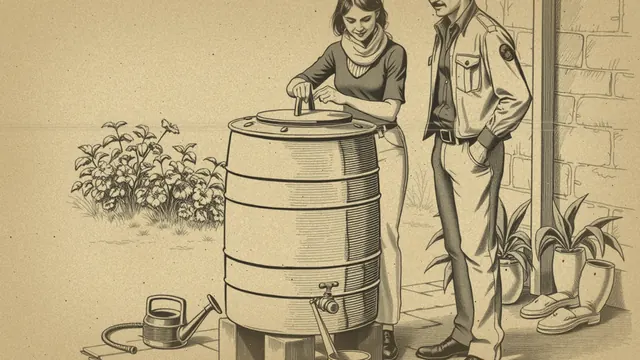
| Rain barrels | Garden, animals, flushing | Treat before drinking |
| Portable generator with a proper connection | Runs the pump during an outage | An electrician should install a transfer switch or inlet |
| Battery backup system | Runs the pump for a limited time | Size it with a qualified installer |
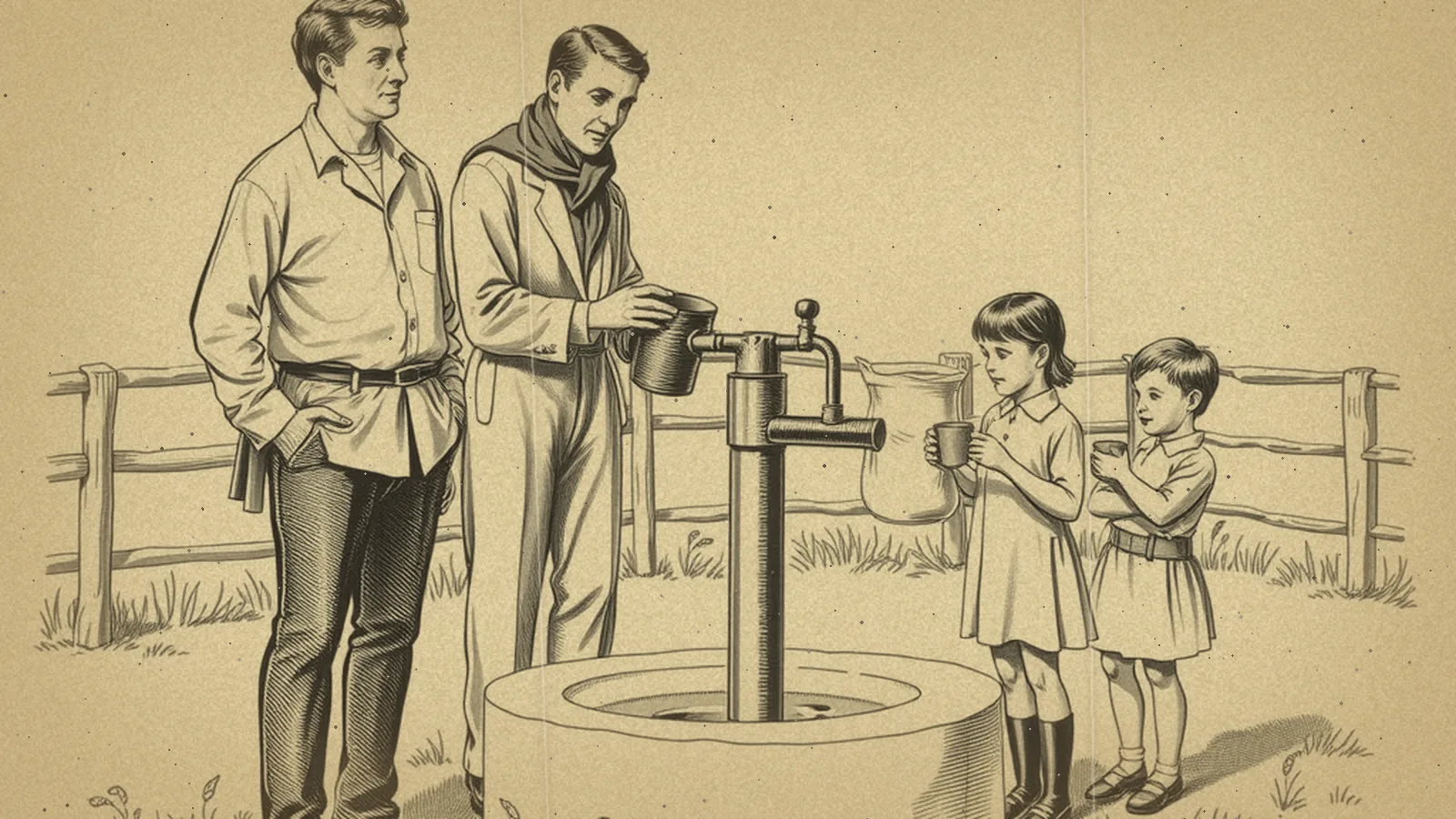
| Hand pump installed on the well | Water without electricity | Works with some well designs; ask a well contractor |
A well pump is often wired at a higher voltage than ordinary outlets. Never try to backfeed power through a household outlet. Have a licensed electrician install a transfer switch so the generator can't send power back onto utility lines, which can hurt line workers.
Before a storm arrives
When forecasters warn of a hurricane, ice storm or major wind event, a few steps make a big difference:
- Fill clean containers and pitchers with drinking water.
- Fill bathtubs and large buckets for flushing toilets and washing.
- Fill water troughs for animals and set out extra bowls for pets.
- If you have a generator, check fuel and the connection before the weather turns.
- Note where the wellhead is and whether it sits in a low spot that floods.
Rain barrels can help fill the gap for gardens and animals. Our guide to rainwater harvesting explains setup, first-flush diverters and when harvested rain needs treatment.
After a flood: assume the well is contaminated
Floodwater can carry sewage, farm runoff, fuel and chemicals. If it covered your wellhead or came close, it can get into the well and the plumbing.
Here's the order of steps most health departments recommend in general terms:
- Stop drinking the well water. Don't use it for cooking, brushing teeth, making ice or mixing baby formula.
- Stay away from the pump while it's wet. Electrical equipment in or near floodwater can shock you. Have an electrician or well contractor check it before turning power back on.
- Contact your local health department. Ask how to get your well tested and whether they offer kits or free testing after a disaster.
- Disinfect the well as directed. Well disinfection, often called shock chlorination, has specific steps for your well type. Follow the health department's instructions or hire a licensed well contractor.
- Test again before drinking. Only resume drinking the water once a test shows it's safe.
Boiling won't remove chemicals or fuel, so it isn't a fix for a flooded well. Our flood preparedness guide covers how to protect your home and family before and during high water, including the National Weather Service's driving safety rule.
Don't forget the animals
Rural households often have dogs, cats, chickens, goats or horses relying on the same well. Animals need safe water just as people do, and floodwater is no safer for them. Our guide to water for pets covers how to plan pet water in your storage and what to ask your vet.
Be skeptical of quick fixes
After a long outage, it's tempting to look at gadgets promising endless water with no well, no pump and no power. Devices that pull water from the air are one example. They can work in the right conditions, but they need humidity and plenty of electricity, which is exactly what's missing in an outage. Read do atmospheric water generators work before buying one. Our guide to choosing preparedness programs and products also helps you judge big claims calmly.
Do this today: a well owner's checklist
- Write down your well contractor's phone number and your local health department's number, and put them in your emergency binder.
- Find out what type of pump you have and its voltage. The information is often on the control box or in your well records.
- Store a drinking water supply for everyone in the home, including pets.
- Ask an electrician whether a transfer switch makes sense for your home.
- Test your well water on a regular schedule, as your health department advises, not just after floods.
- Clear brush and debris from around the wellhead so it's easy to see and reach.
An older couple living alone on a rural property might also arrange for a neighbor to check in during long outages and help carry water.
When officials give instructions
During widespread floods or storms, local health departments and emergency officials may issue specific guidance for well owners, sometimes including free testing sites. Follow evacuation orders and official instructions first. Water can wait until you're safe.
Want a guided preparedness plan?
Some people like the structure of a paid guide. This button opens a third-party survival or preparedness program from one of our advertising partners. Its claims are its own, not ours, so weigh them against our red flags checklist.
See the partner program →We may be paid when you click. The program shown can change. Read its terms before you buy anything. How this works
Frequently asked questions
Can I use my well during a power outage?
Most well pumps need electricity, so the water stops when the power does, except for the small amount held in the pressure tank. A properly installed generator connection, a battery backup system or a hand pump can keep water available.
Is my well water safe after a flood?
If floodwater covered or reached your wellhead, assume the water is unsafe to drink until it has been tested. Use stored or bottled water and contact your local health department for testing and disinfection guidance.
Who tests well water after a disaster?
Your local or state health department is the place to start. Many offer testing kits or can refer you to a certified lab, and some may offer free testing after a disaster.