How to Store Water Long Term at Home
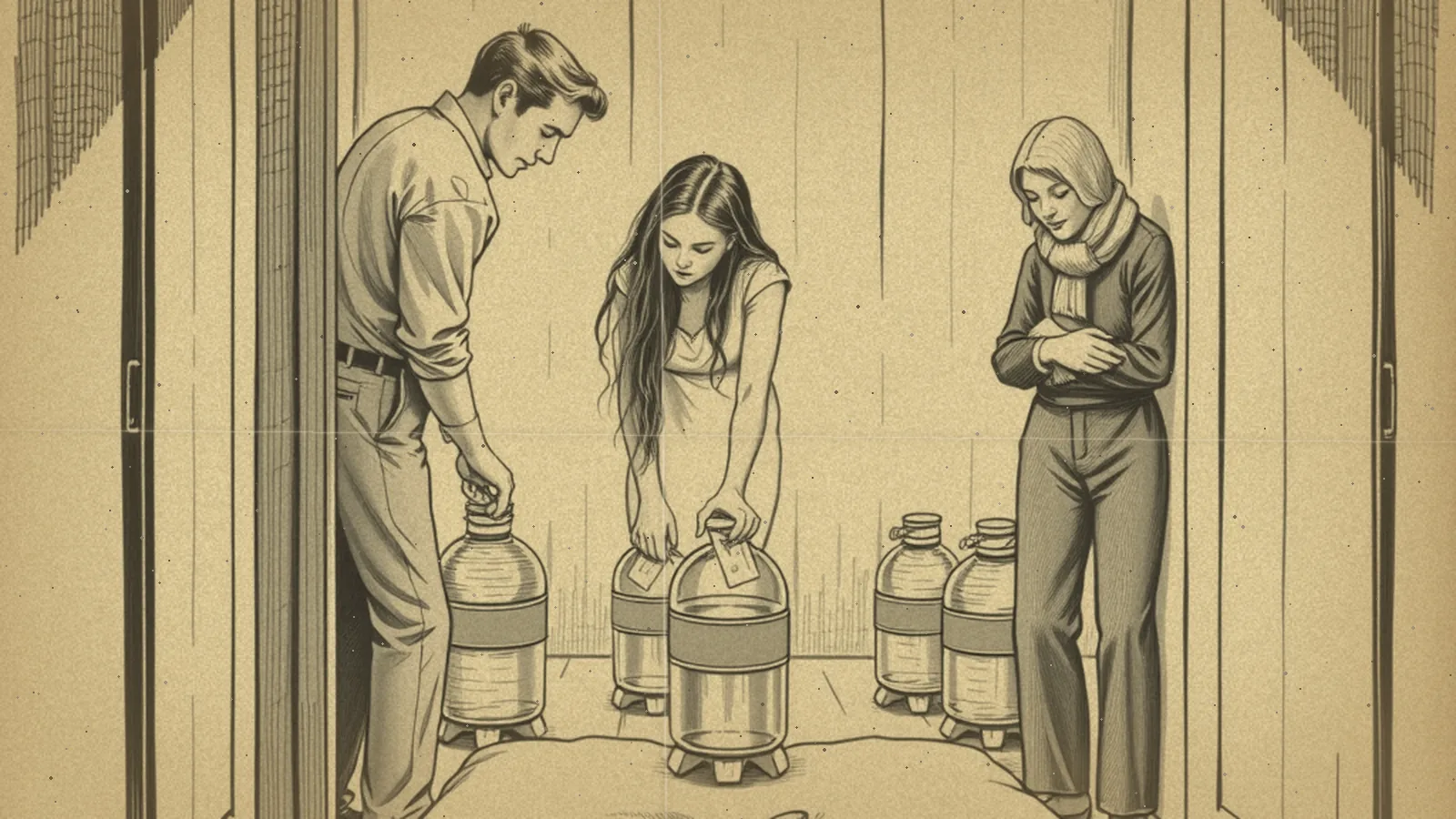
To store water long term, fill clean food-grade containers with safe tap water or buy sealed water, cap them tightly, label each one with the date, and keep them in a cool, dark place away from chemicals. Then put a reminder on your calendar to check them. That's really the whole job.
The details below help your supply stay clean for months, and they fit with the rest of our Water section on planning, treating and rotating emergency water.
Step by step: filling your own containers
If you're using store-bought sealed water, skip to labeling. If you're filling your own, follow these steps.
- Start with a clean container. Use a container made for drinking water or labeled food-grade. Wash it with dish soap and hot water and rinse well.
- Wash your hands. It sounds basic, but clean hands keep germs out of the container.
- Fill from a safe tap. Use the cold-water tap. Let it run briefly first so you're not filling with water that sat in the pipes.
- Fill to the top. Leave as little air as you can, then cap it right away.
- Avoid touching the inside. Keep fingers off the inside of the cap and the rim.
- Wipe and dry the outside. A dry container is easier to label and won't leave water marks on shelves.
When to treat water before storing
Water from a public water utility has already been disinfected, so most city and suburban households can fill straight from the tap.
Treat the water first if:
- It comes from a private well, spring or other untreated source
- Your area is under a boil water notice or other advisory
- You're unsure whether your water is safe
The two most common home methods are boiling and adding a measured dose of plain household bleach. Our guide to how to purify water explains when each one fits, and it links to step-by-step instructions for both. If you're on a well, your local health department can also tell you how to test your water.
Labeling: the step people skip
A label turns a jug of water into part of a plan. On each container, write:
- The date filled (or the date printed on store-bought water)
- "Drinking water" so nobody mistakes it for cleaning water
- "Treated" if you disinfected it before storing
Use masking tape and a permanent marker, or write right on the container. Face labels outward so you can read them without moving anything.
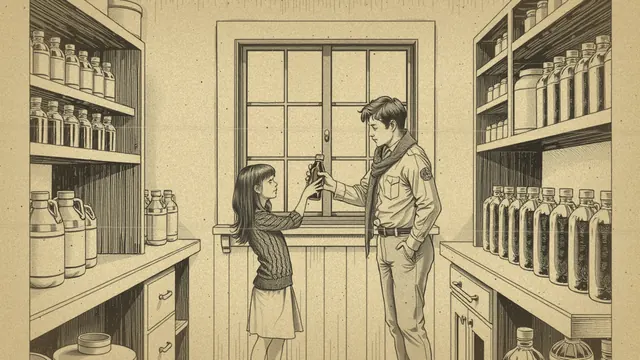
Choosing where to keep it
Where you store water matters as much as what you store it in.
| Good spots | Spots to avoid |
|---|---|
| Interior closet floors | Next to gasoline, paint or pesticides |
| Pantry or kitchen cabinets | In direct sunlight |
| Under beds | Hot attics or sheds |
| A basement, if it stays dry | On a high shelf above people's heads |
| Spread across two or three places | All in one spot that could flood |
Plastic can let in odors and vapors over time, so keep water away from fuel, solvents and strong cleaners. Heat and sunlight can also wear down plastic, so cool and dark is best.
Consider splitting your supply. If one closet floods or a part of your home becomes hard to reach, the water in another room is still there. A family in a hurricane zone might keep most of their supply in an interior closet on the upper floor, with a few cases by the door for evacuation.
A worked example: one household's setup
Consider a family of four in a townhouse: two adults, a teenager and a grandmother who lives with them. They're working toward the two-week Ready.gov goal, which is 56 gallons at one gallon per person per day.
- Hall closet: six stackable bricks, filled from the tap and labeled
- Pantry floor: four cases of sealed bottles, dated by the store
- Under each bed: two store-bought gallon jugs
- Car trunk: one case of bottles for the go-bag
- Fridge: a filled pitcher, always
Nothing is stored in the hot garage, where they keep the lawn mower fuel. The grandmother's room has its own jugs at a height she can reach. The total grows a little every month.
Protecting your supply over time
Long-term storage isn't fill-and-forget. A few habits keep water in good shape:
- Check for leaks every time you open the closet.
- Don't stack too high. Bottom containers can split under weight.
- Keep pests away. Rodents can chew through thin plastic.
- Watch the seasons. A spot that's cool in winter may get hot in summer.
The biggest habit is rotation. Our guide to rotating stored water explains how often to swap out water you filled yourself, how to use store-bought dates, and how to reuse old water so it isn't wasted. Rotation is what keeps a long-term supply trustworthy.
Choosing the right containers
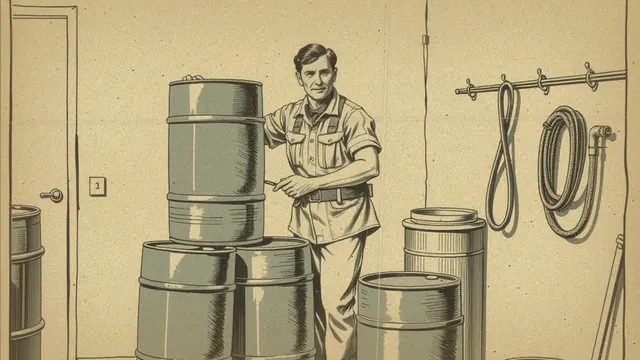
If you haven't picked containers yet, start with our guide to water storage containers. It compares jugs, bricks and barrels and explains why some common containers, like milk jugs, are a poor fit for long-term storage.
Learning from food storage
If you already keep a food pantry, you know the idea of first in, first out. Water works the same way. Our guide to rotating food storage shows how to keep an inventory sheet, and many households track food and water on the same page.
A word on fancy storage products
You don't need special "survival" water or pricey additives to store water well. Clean containers, safe water, a cool spot and a calendar reminder do the work. If a product claims its water lasts forever or protects you from any disaster, read our guide to survival product red flags before you buy.
Your weekend checklist
- Pick two or three storage spots that are cool, dark and away from chemicals
- Clean any reusable containers
- Fill or buy enough water for three days to start
- Label each container with the date and "drinking water"
- Set a calendar reminder to check and rotate your supply
- Tell everyone in your home where the water is
Once these are done, you have a real, working water supply. Add to it a little at a time until you reach your two-week goal.
Want a guided preparedness plan?
Some people like the structure of a paid guide. This button opens a third-party survival or preparedness program from one of our advertising partners. Its claims are its own, not ours, so weigh them against our red flags checklist.
See the partner program →We may be paid when you click. The program shown can change. Read its terms before you buy anything. How this works
Frequently asked questions
Where is the best place to store emergency water?
Pick a cool, dark spot away from sunlight, heat sources and chemicals like gasoline, paint or pesticides. A closet, pantry floor or basement usually works better than a hot garage or attic.
Do I need to treat tap water before storing it?
Water from a public utility has already been treated. If your water comes from a private well or you're not sure it's safe, disinfect it first using a trusted method, or ask your local health department for guidance.
Does stored water go bad?
Water itself doesn't spoil, but containers can leak, and germs can get in if a container wasn't clean or wasn't sealed well. That's why stored water should be dated and checked on a regular schedule.