Rainwater Harvesting for Beginners
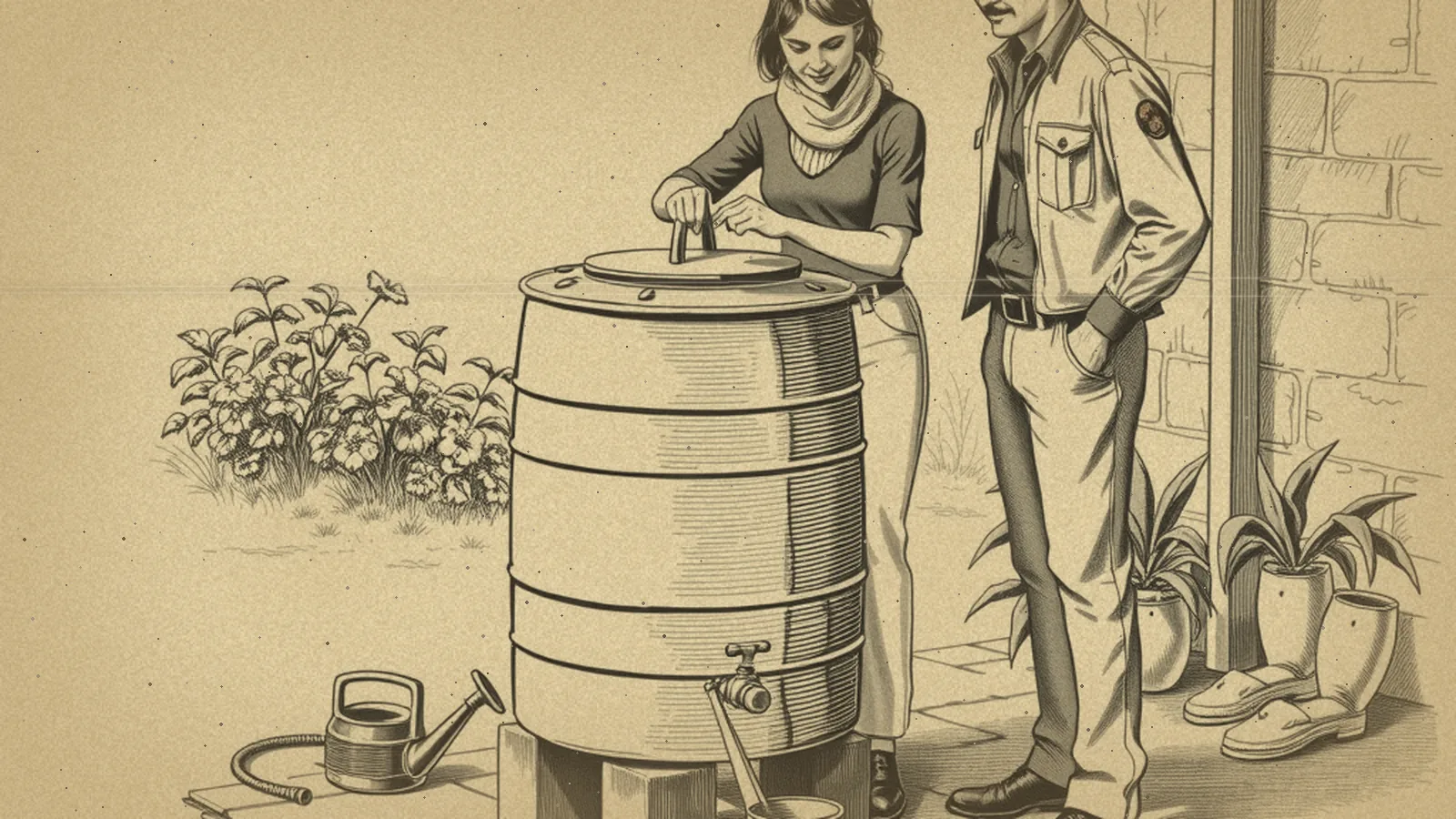
Rainwater harvesting for beginners can be as simple as one barrel under a downspout, a screen to keep out leaves and mosquitoes, and a spigot at the bottom. Harvested rain is excellent for gardens, washing and flushing toilets during an outage. It can also become drinking water, but only after it's filtered and disinfected or boiled, because roofs collect more than rain.
Rain barrels are one of the backup options in our Water section, and they're a nice way to practice self-reliance in everyday life, not just during emergencies.
Check your local rules first
Rainwater collection is regulated differently from place to place. Some states and cities actively encourage rain barrels. Others limit the size of a system, how the water can be used, or whether you need a permit. Homeowners associations and landlords may have their own rules too. Check your state and local rules, and ask your county extension office if you're unsure. They often run rain barrel workshops.
A basic rain barrel setup
Here's what a simple, tidy system includes:
- A food-grade barrel or tank with a tight-fitting lid. Opaque material blocks sunlight, which helps prevent algae.
- A screened inlet to keep out leaves, debris and mosquitoes.
- A first-flush diverter that sends the first dirty runoff from the roof away from the barrel.
- An overflow outlet pointed away from your foundation, so heavy storms don't flood your basement or crawl space.
- A spigot near the bottom, plus a sturdy, level base that raises the barrel enough to fit a watering can underneath.
- A downspout diverter or cut downspout that routes roof water into the inlet.
A full barrel is very heavy. Set it on solid, level ground or blocks rated for the weight, never on soft soil that might shift, especially in a yard where kids play.
Why the first flush matters
When rain starts, it washes the roof. That first runoff carries bird and animal droppings, pollen, dust and bits of shingle. A first-flush diverter is a short pipe or chamber that fills with that dirty water first, then lets the cleaner rain flow into the barrel. It drains slowly between storms so it's ready for the next one. It's one of the easiest ways to improve water quality, and it costs little.
Using harvested rain
| Use | Treatment needed |
|---|---|
| Watering ornamental plants | None beyond screening |
| Watering vegetables | Water the soil, not the leaves; follow extension office guidance for edibles |
| Flushing toilets in an outage | None; pour into the bowl to flush |
| Washing hands, dishes or bodies | Treat it first |
| Drinking, cooking, brushing teeth | Filter, then disinfect or boil |
| Pets' drinking water | Treat it the same as for people |
Rain barrels make a good partner for a backyard food garden. Our guide to starting a survival garden shows how to plan crops that make the most of stored rain.
Making rainwater drinkable in an emergency
If you need rainwater for drinking, treat it in this order:
- Let it settle. Pour off clear water and leave sediment behind.
- Prefilter through a clean cloth, paper towel or coffee filter.
- Filter with a portable filter if you have one, to remove protozoa, bacteria and grit.
- Disinfect or boil. Follow the CDC's boiling guidance in our boiling water guide, or the EPA's bleach steps in our bleach water purification guide.
Roofs with treated wood, older coatings or certain metal surfaces can add chemicals that filtering and boiling won't remove. If you're unsure what your roof is made of, use rain for non-drinking purposes and rely on stored water for drinking.
How rain compares with other backup sources
Rain barrels work best alongside other options. If your home is on a private well, a barrel can keep the garden and toilets going while the pump is down during an outage. Our guide to well water in emergencies covers backup power and testing after floods.
You may also see devices that pull water from the air promoted as the next step after rain barrels. They have real uses, but they need humidity and a lot of electricity. Read do atmospheric water generators work before you spend money on one.
And before you collect a single drop, remember that your home already stores water in its plumbing. Our guide to emergency water sources at home explains how to use your water heater and pipes safely.
Keeping barrels clean and safe
- Keep lids closed and screens intact so mosquitoes can't breed. Check after storms.
- Use child-safe lids and keep barrels where small kids can't climb on them.
- Drain and scrub barrels at least once a year with a brush and plain water; rinse well.
- In freezing climates, drain the barrel and disconnect it before the first hard freeze so it doesn't crack.
- Clean gutters a few times a year so the water starts cleaner.
- Mark barrels "not for drinking without treatment" so guests and kids know.
Do this today
Even if you can't install a barrel this week, you can get started:
- Look up your state and city rules on rainwater collection.
- Walk around your home and pick the downspout closest to your garden or back door.
- Check what your roof is made of. Note it on your plan.
- Measure the space for a barrel on a level spot, with room for an overflow hose.
- Call your county extension office and ask if they offer a rain barrel class.
A renter in a duplex might start with a single small barrel for container plants, with the landlord's okay. A rural family might link several barrels together for a bigger garden. Either way, start with one and learn how it behaves through a season.
Keep expectations realistic
How much you collect depends on your roof size, local rainfall and the size of your storage. In dry months a barrel may sit empty. That's why rain is a helpful extra rather than a whole water plan. Keep your stored drinking water as the base, and let the barrel handle the garden and the toilets.
Want a guided preparedness plan?
Some people like the structure of a paid guide. This button opens a third-party survival or preparedness program from one of our advertising partners. Its claims are its own, not ours, so weigh them against our red flags checklist.
See the partner program →We may be paid when you click. The program shown can change. Read its terms before you buy anything. How this works
Frequently asked questions
Is rainwater safe to drink?
Not straight from the barrel. Rain picks up droppings, dust, leaves and roofing material on its way down, so it needs to be filtered and disinfected or boiled before drinking.
Is it legal to collect rainwater?
Rules vary by state and sometimes by city or homeowners association. Many places encourage rain barrels, while some limit how much you can collect, so check your state and local rules before you set one up.
What is a first-flush diverter?
It's a simple add-on that sends the first, dirtiest rain off your roof away from the barrel. The cleaner water that follows is what gets stored.