Emergency Food Supply List: A Starter Plan by Food Group
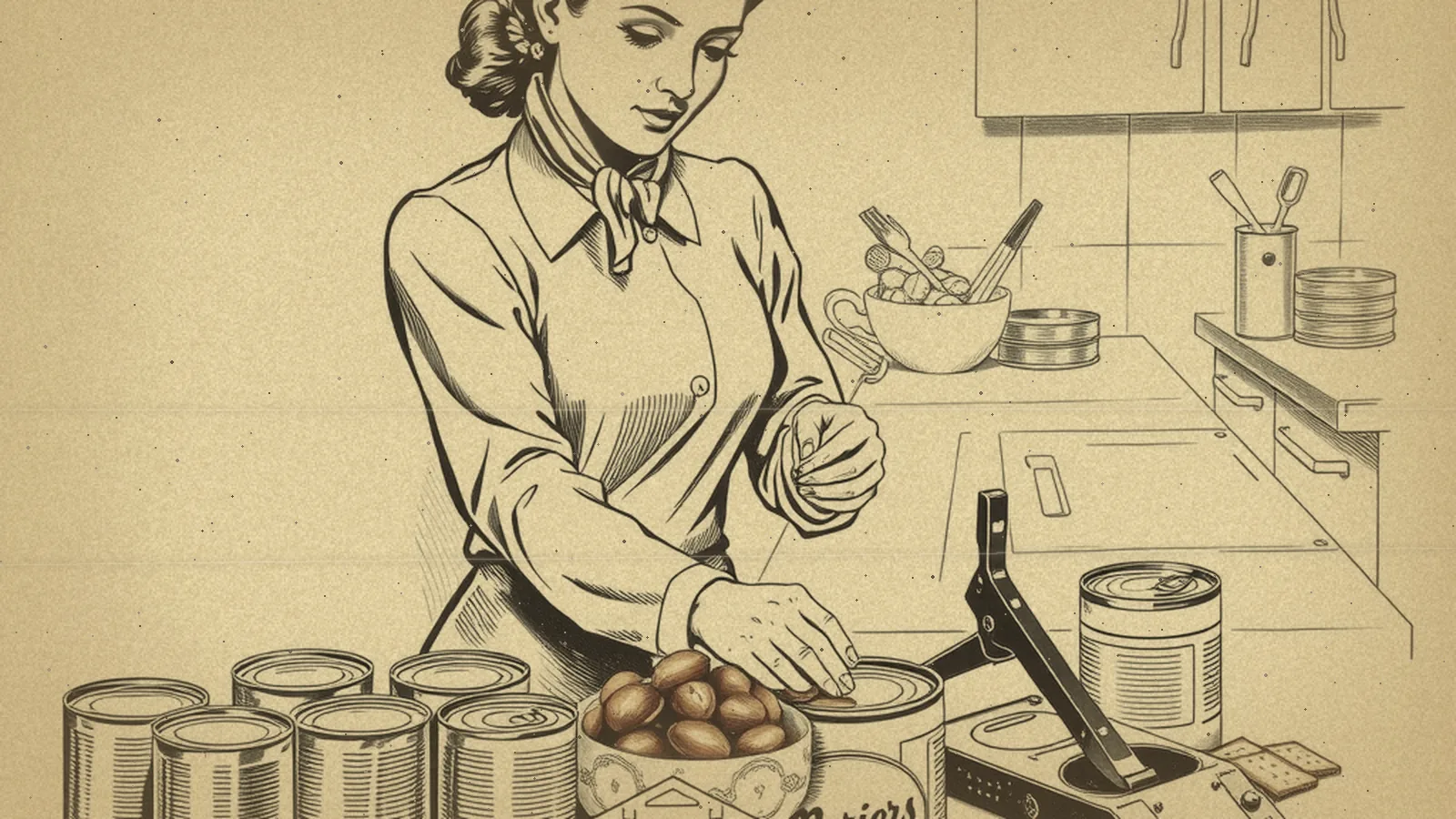
A good emergency food supply is a stash of shelf-stable foods your household already eats, enough for at least three days with no cooking, and ideally about two weeks at home. Build it by food group: protein, fruits and vegetables, grains, fats, drinks and a few comfort foods. Regular grocery items work fine, and you can start this week.
This page is the first stop in our Food Storage section, where you can go deeper into packaging, shelf life and rotation once the basics are on your shelf.
Start with the three-day goal
Three days is a manageable first target. It covers many short outages and storms, and it is the same span many go-bags are built around. If you want a grab-and-go version for evacuation, the 72-hour kit checklist shows how food fits alongside water, a radio, a flashlight and the rest of a basic kit.
For your at-home three-day stash, focus on foods that:
- Need no refrigeration before or after opening, or come in single-meal portions
- Can be eaten cold, straight from the can or package
- Need little or no extra water
- Open with a manual can opener or by hand
The starter list by food group
Use this table as a shopping guide, not a rulebook. Swap in what your family likes.
| Food group | Good choices | Why it works |
|---|---|---|
| Protein | Canned tuna, chicken or salmon; canned beans; peanut or other nut butter; shelf-stable tofu | Filling, and most can be eaten without heating |
| Fruits | Canned fruit in juice, applesauce cups, raisins, dried apricots | Easy snacks with natural sweetness |
| Vegetables | Canned corn, green beans, carrots, tomatoes; vegetable soup | Adds variety and fiber |
| Grains | Crackers, ready-to-eat cereal, granola, rice cakes, tortillas | No cooking needed |
| Fats and energy | Trail mix, nuts, seeds, granola bars | Small, dense and long-lasting |
| Drinks | Shelf-stable milk, boxed plant milk, juice boxes, powdered drink mix | Familiar drinks help kids especially |
| Comfort | Cookies, hard candy, instant coffee or tea bags | Morale matters on a hard day |
Shelf-stable milk and cereal in the morning, tuna and crackers at lunch, and canned chili or bean salad for dinner make a complete, no-cook day.
How much to store: a worked example
Here is how one household of four (two adults, a teenager and a seven-year-old) can do the math.
- Count meals. Four people, three meals a day, for three days: 36 meals.
- Add snacks. Two snacks per person per day adds 24 snacks.
- Turn meals into items. One large can of chili or soup can feed two people, so six cans cover three dinners for all four. Do the same for breakfast and lunch.
- Add a buffer. Buy a few extra items in case a can is damaged or someone is extra hungry.
For two weeks, repeat the same steps for 14 days. That same family needs 168 meals, which is where planning by menu instead of by item becomes easier. Our guide to a two-week food supply walks through a sample menu so the bigger number feels manageable.
Don't forget water and tools
Food and water go together. Many canned foods contain liquid that helps, but salty foods like jerky and some soups make people thirstier. Emergency managers generally recommend storing at least a gallon of water per person per day; our guide on how much water to store explains the full guideline.
Keep these with your food:
- Manual can opener (and a spare)
- Paper plates, cups and utensils
- Resealable bags or containers for leftovers
- Wet wipes and hand sanitizer
- Trash bags
Plan for everyone in your home
A starter list only works if everyone can eat from it.
- Babies need formula or baby food stored in their own supply, plus clean water for mixing.
- Food allergies mean reading every label and keeping safe foods separate.
- Diabetes and other medical diets need snacks that match a care plan.
- Older relatives may need softer foods and pull-tab cans that are easier to open.
If any of these apply, read our page on special diets and food storage, which covers questions to ask a doctor and how to plan around formula and allergies.
Store it where you will see it
The best storage spot is cool, dry and away from sunlight, such as an interior closet, a kitchen cabinet away from the stove, or under a bed. Avoid garages and attics that get very hot, and avoid spots near cleaning chemicals.
Mark the purchase month on each item with a marker. Every few months, move older items into your regular meals and replace them. That one habit keeps the supply fresh without any extra cost.
When you are ready for more
Once the three-day stash is done, you have choices. Some households stop at two weeks, which covers most real-world disruptions. Others want a deeper supply of dry staples like rice, beans and oats for job loss, long storms or rural living. Our guide to long-term food storage explains how bulk staples are packaged and stored so they keep for much longer than a regular pantry.
A word about pre-packed kits
You will see buckets of "survival meals" sold with warnings about shortages or countdown clocks. Some are fine for camping or a car kit, but read the serving sizes closely; many count small portions as a full meal. Pressure tactics are a reason to slow down. Our list of red flags in preparedness marketing can help you tell useful products from fear-driven ones.
Your to-do list for today
- Count how many days of no-cook meals you have right now
- Check that you own a manual can opener
- Pick one protein, one fruit and one grain to add on your next shopping trip
- Choose a cool, dark spot for your supply
- Write the date on anything you add
Small, steady steps add up quickly. In a month of normal shopping, most households can have a solid three-day supply on the shelf without stretching the budget.
Want a guided preparedness plan?
Some people like the structure of a paid guide. This button opens a third-party survival or preparedness program from one of our advertising partners. Its claims are its own, not ours, so weigh them against our red flags checklist.
See the partner program →We may be paid when you click. The program shown can change. Read its terms before you buy anything. How this works
Frequently asked questions
What foods should be in an emergency food supply?
Choose shelf-stable foods your household already eats: canned proteins, canned fruits and vegetables, nut butters, crackers, cereal, dried fruit and shelf-stable milk. Include some that need no cooking and no extra water.
How much emergency food do I need for three days?
Count three meals a day for each person, plus a snack or two, and multiply by three. A household of four needs about 36 meals, which fits easily in one cabinet or a couple of grocery bags.
Do I need special survival food for an emergency?
No. Regular grocery store foods work well and cost less. Specialty freeze-dried meals can be handy for travel or evacuation bags, but they are optional.