Emergency Sanitation and Hygiene When the Water Stops
Emergency sanitation comes down to three habits: keep human waste contained, keep hands clean, and keep both away from food and drinking water. When the water is off or the sewer is damaged, a lined bucket or toilet bowl with an absorbent material works as a temporary toilet, and soap with a small amount of clean water still beats sanitizer alone. These steps prevent the stomach illnesses that often follow floods and long outages.
Most people plan for food, water and light, then realize on day two that the toilet won't flush. Sanitation gets less attention than it deserves, which is why it has a place of its own in our First Aid & Health section. Good hygiene is quiet, unglamorous work, and it keeps a household healthy when doctors and clinics are busy.
When to stop flushing
A toilet uses water from the tank, and the sewer has to carry waste away. Stop flushing if:
- Local officials say sewer or water systems are damaged
- Water is backing up into tubs, sinks or floor drains
- Your area flooded or had a strong earthquake
- Your home is on a well or septic system and you're not sure it's working
If the water is simply off but the sewer is fine, you can flush by pouring a bucket of non-drinking water, such as stored bathwater, into the bowl. Don't use your drinking supply for this.
Build a bucket toilet
You can put this kit together today for very little money, and it fits in a closet.
Supplies:
- A sturdy bucket with a tight lid, or use your existing toilet bowl
- Heavy-duty trash bags that fit the bucket or bowl
- Absorbent material: clumping cat litter, sawdust, shredded newspaper or peat
- Toilet paper and a small trash can with a lid for used paper
- Disposable gloves
- Hand sanitizer and a bottle of liquid soap
- A household disinfectant, used exactly as the label directs
- A covered outdoor bin for sealed bags
Setup:
- Shut off the water to the toilet if you're using the bowl, and flush or scoop it dry.
- Line the bowl or bucket with two bags, one inside the other.
- After each use, sprinkle in a scoop of absorbent material to cover waste and control odor.
- When the inner bag is partly full, put on gloves, tie it closed and lift it out. Tie the outer bag separately or place the sealed bag in a fresh one.
- Store sealed bags in a covered bin outdoors, away from where people eat or get water, until local officials tell you how to dispose of them.
- Wash hands right away.
Some households keep separate buckets for urine and solid waste, which reduces odor and the number of bags used. Either way works.
Handwashing without a faucet
Clean hands are one of the most protective habits a household can keep. Wash before handling food, before feeding a baby, after using the toilet, after changing diapers, after handling garbage and after caring for someone who is sick.
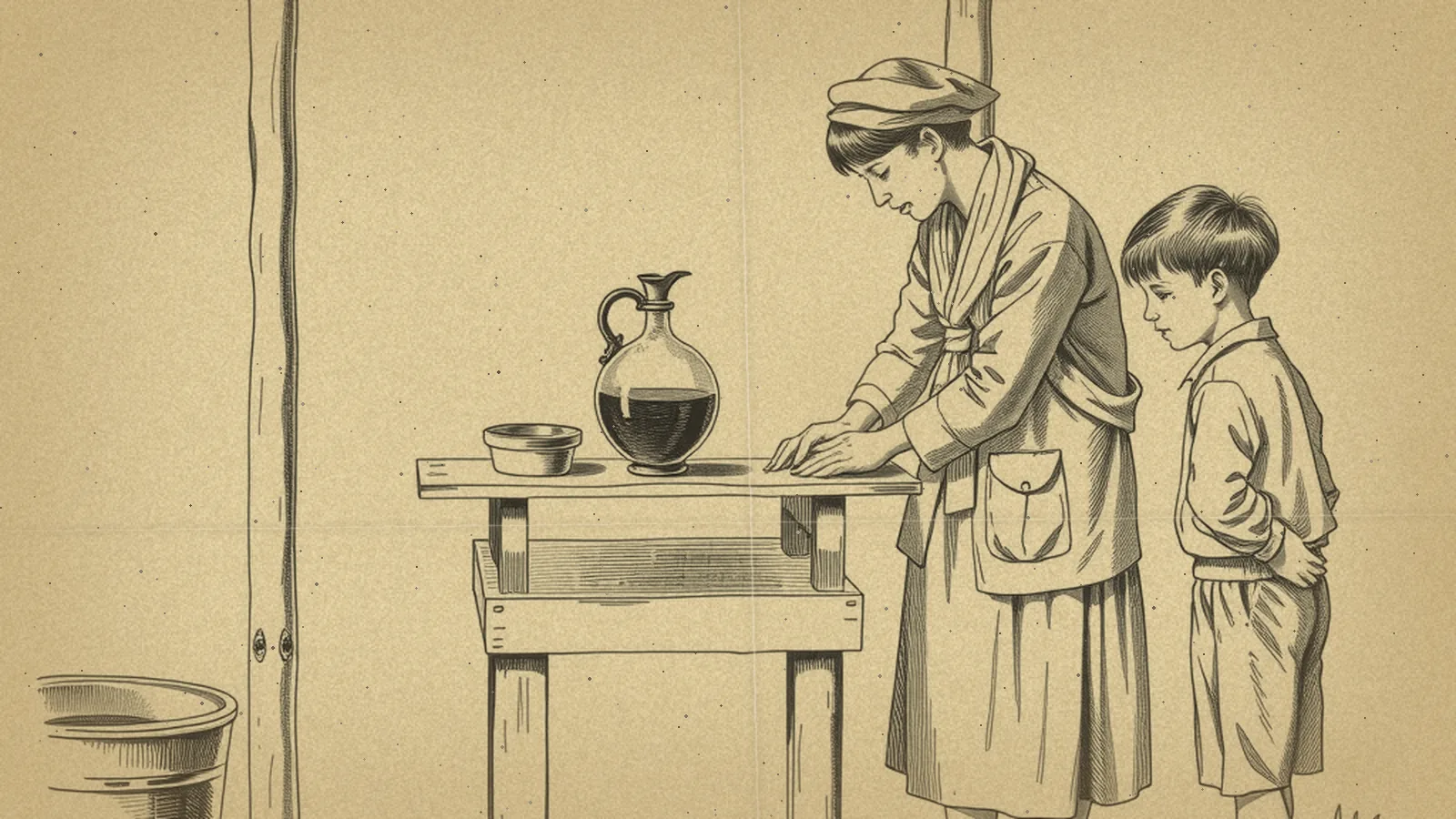
A simple handwashing station:
- A large water container with a spigot, set on a table or counter edge
- A bucket underneath to catch the gray water
- Liquid soap and paper towels or a clean cloth for each person
Wet your hands, lather with soap and scrub every surface, including the backs of your hands, between fingers and under nails, then rinse and dry. Use treated water if you're unsure of your supply. Our guide to purifying water explains boiling, disinfecting and filtering so you know which to use.
Hand sanitizer is a good backup when water is scarce, but it does not work well on greasy or visibly dirty hands.
Keeping the household healthy
| Task | Why it matters | What to do |
|---|---|---|
| Garbage | Food scraps attract pests | Bag tightly, keep in a lidded bin outside |
| Diapers | Same germs as toilet waste | Bag and seal; store with toilet waste |
| Dishes | Dirty dishes spread illness | Use paper plates if water is short, or wash in treated water |
| Surfaces | Germs collect where food is prepped | Wipe with a disinfectant used as the label says |
| Bathing | Skin infections and rashes | Sponge bathe with a cloth and basin; keep cuts clean and covered |
| Feminine care | Comfort and dignity | Pack pads or other supplies in your kit |
Never mix cleaning products, especially bleach with ammonia or with acidic cleaners, because the combination can give off dangerous fumes. If someone breathes in fumes or swallows a cleaner, call Poison Control at 1-800-222-1222, or call 911 if they are having trouble breathing.
Remember that water stored for drinking also covers basic hygiene in the Ready.gov guideline, so plan your supply with both in mind. Our water storage guide walks through how much to keep.
Example: an apartment after a water main break
A single parent with two school-age kids lives on the fourth floor of an older building. A water main break shuts off water for several days, though the sewer still works. They use stored bathwater to flush once or twice a day, set up a spigot jug and basin on the kitchen counter for handwashing, and switch to paper plates.
Their downstairs neighbor uses a wheelchair and can't haul water. The parent fills a jug for her each morning and makes sure her bathroom setup is within reach. That kind of help keeps a whole building healthier.
Related guides
- Clean hands and clean surfaces are the first defense against food poisoning, and our food safety in emergencies guide covers what to keep and what to throw out after a disaster.
- Living without a working bathroom is stressful, especially for kids, and our mental health after disasters guide shares ways to cope and keep routines going.
- If someone in your home is ill or managing a chronic condition, read our medications in emergencies guide to keep their care on track.
Follow instructions from local health and emergency officials about water, sewer use and waste disposal. If someone has severe vomiting or diarrhea, signs of dehydration or a high fever, call a doctor, and call 911 in an emergency.
Want a guided preparedness plan?
Some people like the structure of a paid guide. This button opens a third-party survival or preparedness program from one of our advertising partners. Its claims are its own, not ours, so weigh them against our red flags checklist.
See the partner program →We may be paid when you click. The program shown can change. Read its terms before you buy anything. How this works
Frequently asked questions
How do you go to the bathroom when the water is off?
Line your toilet bowl or a sturdy bucket with heavy-duty trash bags, add an absorbent material like cat litter or sawdust after each use, and tie the bag closed when it's partly full. Store sealed bags in a covered bin outdoors until local officials explain how to dispose of them.
Is hand sanitizer enough during an emergency?
Hand sanitizer helps when there's no water, but it does not work well on hands that are greasy or visibly dirty. Wash with soap and clean water whenever you can, especially after using the toilet and before handling food.
Can I flush the toilet after a flood or earthquake?
Not until local officials say the sewer system is working. Damaged pipes can back up waste into homes, so use a bag-and-bucket toilet until you get the all-clear.