How Often to Rotate Stored Water
Rotate stored water on a regular schedule you'll actually keep. For store-bought sealed water, follow the date on the package. For water you filled yourself, pick a set routine, such as twice a year, and tie it to a habit you already have. When you swap water out, use the old supply for plants, cleaning or flushing so nothing goes to waste.
Rotation is the quiet maintenance step that keeps the rest of our Water section working. A supply you trust is worth more than a bigger supply you're unsure about.
Why rotation matters
Water doesn't spoil the way food does, but stored water can still develop problems:
- A cap that wasn't tight can let in dust or germs
- Thin plastic can crack, leak or pick up odors
- Heat and sunlight can wear down containers over time
- A label can fade until nobody knows how old the water is
Rotating on a schedule catches these problems early. It also means you look at your supply regularly, so you notice if a family member borrowed half of it for a camping trip.
Store-bought versus self-filled water
| Store-bought sealed water | Self-filled water | |
|---|---|---|
| How to tell its age | Date printed on the package | Your own label |
| When to replace | At the printed date, or if damaged | On your chosen schedule |
| Leave sealed? | Yes, until you need it | Yes, keep caps tight |
| Easiest way to rotate | Drink it in daily life and replace it | Empty, clean, refill |
Store-bought water is the easiest to rotate because the date is already on it. Many households simply drink older cases in daily life and buy new ones to replace them, which keeps the supply fresh with almost no effort.
Self-filled water costs less but needs your own system. Without a date on the label, you're guessing. If you mix both kinds, keep them on separate shelves or in separate bins so the two schedules don't get tangled, and note on your inventory sheet which is which.
A simple rotation routine
Here's a routine that works for most homes. It takes less than an hour, twice a year.
- Pick your dates. Choose two days a year that are easy to remember. Many households use the spring and fall clock changes or the same weekends they test smoke alarms.
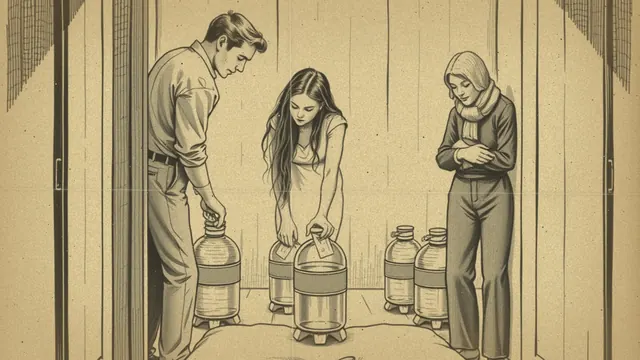
- Pull everything out. Bring all your water into one spot so you can see it.
- Check each container. Look for leaks, cracks, cloudiness, odd smells or missing labels.
- Sort by date. Anything at or past its date goes in the "use now" pile.
- Empty, clean and refill. For self-filled containers, empty them, wash with soap and hot water, rinse well and refill with fresh tap water.
- Relabel. Write the new date on each refilled container.
- Restock store-bought water. Replace any cases you're using up.
- Put it all back, oldest in front so it gets used first next time.
- Set your next reminder.
Turning old water into something useful
Rotating doesn't have to mean pouring water down the drain. Old stored water works well for:
- Watering houseplants, garden beds or a lawn
- Flushing toilets by pouring water into the bowl
- Mopping floors or washing the car
- Filling a dog's outdoor wading pool
- Topping off a rain barrel used for the garden
- Practicing your emergency routines, like rationing water for a day
That last one is worth trying. Spend one Saturday using only your stored water for drinking, cooking and handwashing. You'll learn quickly whether your amount is realistic for your household.
When stored water seems questionable
If water looks cloudy, smells strange or came from a container you're unsure about, don't drink it as-is. You have two choices: use it for non-drinking purposes, or treat it before anyone drinks it.
Our guide to how to purify water walks through your options and when each one fits. It's the right place to start if you're not sure which method to use.
If you have a stove and fuel, boiling is often the simplest fix. Our guide to boiling water explains the CDC's timing, including the longer boil needed at high elevations, and how to cool and store boiled water.
Rotation for different households
A busy single parent. They buy store-bought cases only and drink the oldest case each month as part of normal grocery rotation. No refilling, no extra chores.
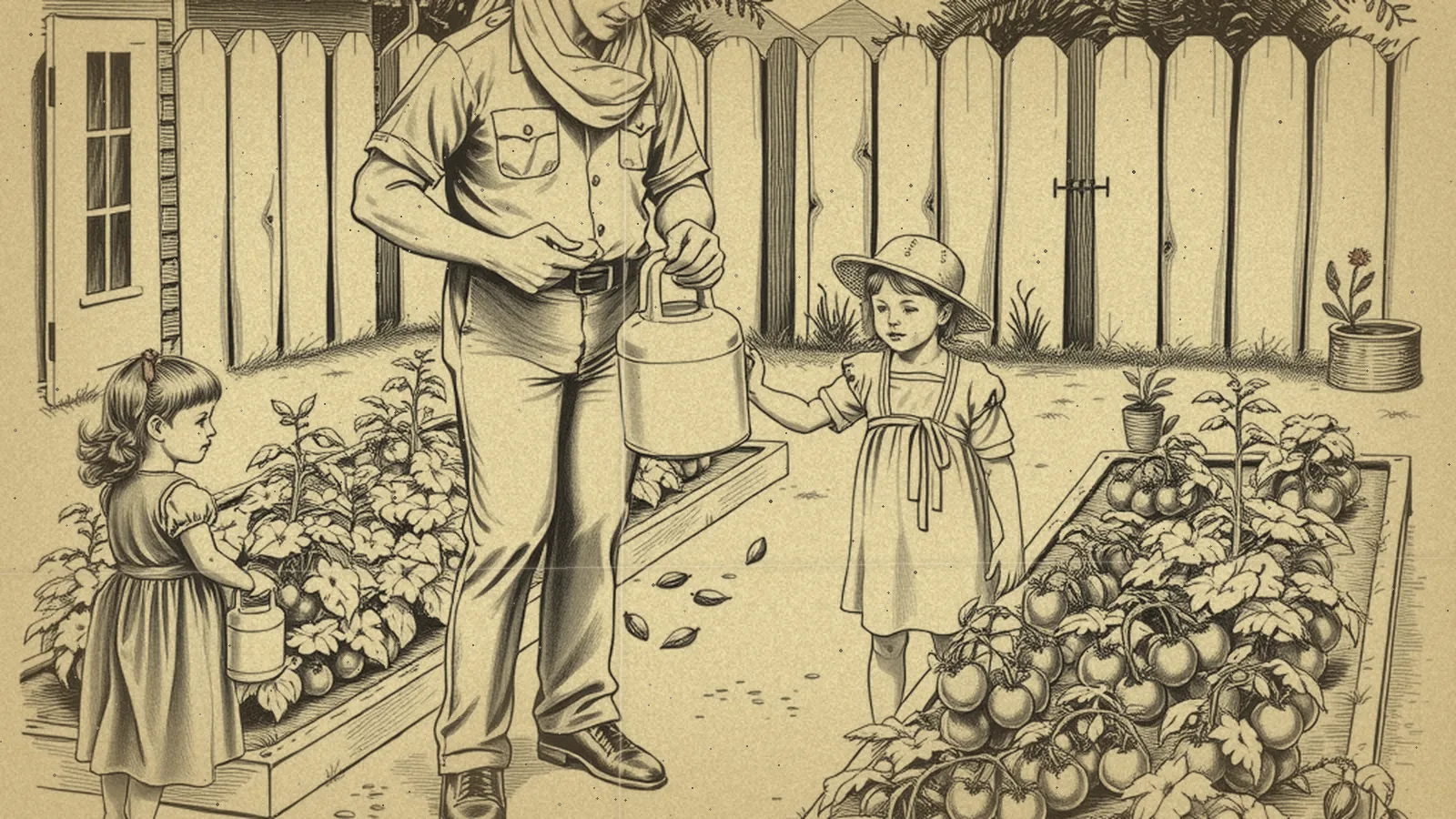
A retired couple with a garden. They fill their own bricks, rotate twice a year, and use the old water on their tomato beds. The garden gets a deep soak on rotation day.
A college student in a dorm or shared apartment. They keep two cases of bottles under the bed and replace them whenever they move in or out at the start of a school year.
Keeping rotation affordable
Rotation is one of the cheapest parts of being prepared. Refilling your own containers costs only the tap water. Drinking store-bought water in daily life means you're not paying for water you'll throw away.
If you're building a supply on a tight budget, our guide to prepping on a budget has more ways to stretch a small weekly amount across water, food and supplies.
Making refilling easier
If refilling is a chore you put off, it may be your setup. Containers that are too heavy, too hard to clean or stored in a hard-to-reach spot make rotation less likely. Our guide to how to store water long term covers filling, labeling and choosing a spot that makes rotation day go smoothly.
Your rotation reminder card
Copy this onto a card and tape it near your water supply:
- Next rotation date: ________
- Self-filled containers: empty, wash, refill, relabel
- Store-bought water: check dates, replace as needed
- Check for leaks, cracks and odd smells
- Old water goes to: plants, toilets, cleaning
- Following rotation date: ________
A supply that gets checked twice a year is a supply you can count on.
Want a guided preparedness plan?
Some people like the structure of a paid guide. This button opens a third-party survival or preparedness program from one of our advertising partners. Its claims are its own, not ours, so weigh them against our red flags checklist.
See the partner program →We may be paid when you click. The program shown can change. Read its terms before you buy anything. How this works
Frequently asked questions
How often should I replace water I filled myself?
Pick a regular schedule and stick to it. Many households replace self-filled water twice a year, tying it to another routine like changing smoke alarm batteries, and follow any guidance from their local health department or water utility.
Does store-bought bottled water need to be rotated?
Follow the date printed on the package and keep it sealed until you need it. Swap it out when it reaches that date or if a seal is broken or a bottle is damaged.
What can I do with old stored water instead of pouring it out?
Use it to water plants, flush toilets, rinse outdoor gear, clean floors or fill a pet's bath. If it was stored well and you choose to drink it, you can treat it first for extra peace of mind.