How Long to Boil Water to Make It Safe to Drink
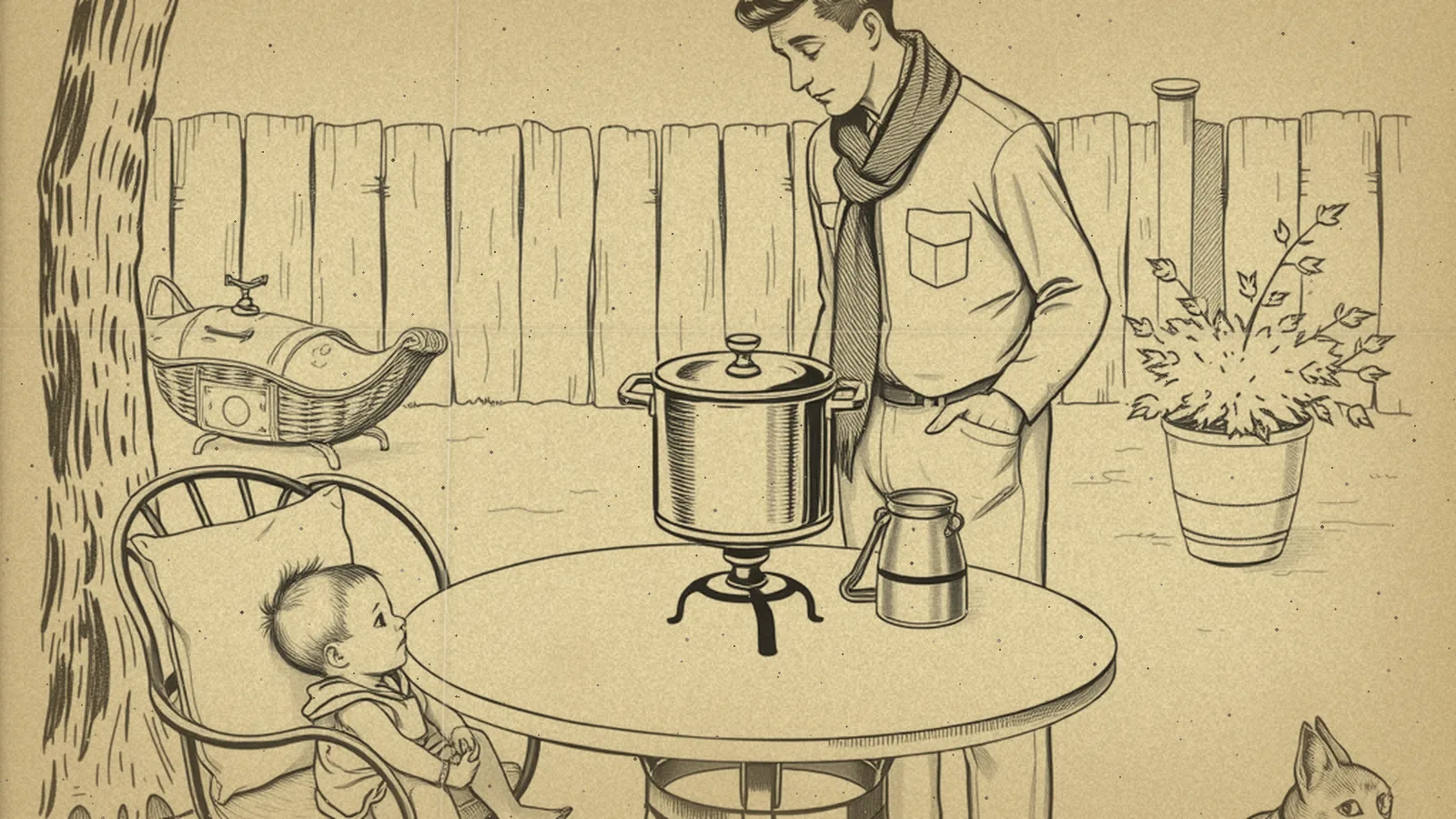
The CDC says to bring water to a rolling boil for 1 minute, or for 3 minutes at elevations above 6,500 feet, then let it cool before drinking. A rolling boil means big bubbles that keep coming even when you stir. Start with the clearest water you can, and store the cooled water in clean, covered containers.
Boiling is the most familiar method covered in our Water section, and it's usually the first choice when you have a working stove and officials issue a boil water notice.
The CDC rule, step by step
- Start with clear water. If the water is cloudy, let it settle, then pour it through a clean cloth, paper towel or coffee filter.
- Bring it to a rolling boil. Not a simmer, and not the first small bubbles. Wait until bubbles rise steadily and quickly across the whole surface.
- Time it. Keep the rolling boil going for 1 minute. If you live above 6,500 feet, keep it going for 3 minutes.
- Let it cool. Turn off the heat and let the water cool on its own. Keep a lid on so nothing falls in.
- Store it safely. Pour the cooled water into clean containers with tight lids. Label them "boiled" with the date.
Why elevation changes the timing
Water boils at a lower temperature the higher you go, so it takes longer to do the same job. That's why the CDC's guidance changes above 6,500 feet. If you live in or travel to mountain towns, write the 3-minute rule on your printed instructions. If you're not sure of your elevation, using 3 minutes is a simple way to cover it.
| Where you are | Rolling boil time |
|---|---|
| At or below 6,500 feet | 1 minute |
| Above 6,500 feet | 3 minutes |
What "a rolling boil" looks like
It's easy to stop too early. Watch for:
- Large bubbles breaking across the whole surface, not just at the edges
- Bubbles that keep going when you stir
- Steady steam and a noisy pot
Start your timer only once you see all three.
Boiling during a power outage
If the power is out and your stove is electric, you'll need another heat source. This is where safety matters most.
- Camp stoves, grills and propane burners must only be used outdoors. Never use them inside a home, basement, garage or camper, even with windows open. They produce carbon monoxide, which you can't see or smell.
- A gas stove can be used for cooking if it works normally, but never use a gas stove or oven to heat your home.
- Keep a battery-operated carbon monoxide alarm in your home, and if it sounds or someone feels dizzy, light-headed or nauseous, get to fresh air right away and call 911.
Our guide to cooking without power covers safe outdoor setups, fuel storage and no-cook meals that save your fuel for boiling water.
Saving fuel
Fuel can run short in a long outage. A few ways to stretch it:
- Use a lid. Water comes to a boil faster.
- Boil only what you'll drink and cook with in the next day.
- Use stored water first and save boiling for when it runs low.
- Switch to bleach for large batches, if you have the right kind.
Cooling and storing boiled water safely
Hot water and kids don't mix. While boiled water cools:
- Keep the pot on a back burner or a stable outdoor surface, handles turned in
- Keep children and pets away from the cooking area
- Don't pour boiling water into thin plastic containers
Once cool, store the water in clean, covered containers. Use clean cups or a ladle to scoop it, not hands.
Making boiled water taste better
Boiled water often tastes flat because boiling drives off some of the air. To freshen it:
- Pour it back and forth between two clean containers several times
- Let it sit, covered, for a few hours
- Chill it, if you have a way to keep it cold
These steps change the taste only. They don't make water safer or less safe.
What boiling can't do
Boiling is good for germs, but it has limits:
- It doesn't remove chemicals, fuel or heavy metals. Water near a chemical spill, or that smells like fuel, needs a different source.
- It doesn't clear dirt. Settle and filter cloudy water first.
- It needs fuel and a safe heat source.
When to use another method
When you can't boil, bleach is the usual backup. Our guide to bleach water purification has the EPA's exact drops-per-gallon guidance and explains which bleach to buy. Keep a bottle with your supplies so you have a second option.
Portable filters are another tool, especially for clearing cloudy water or for camping and go-bags. Many remove bacteria and protozoa but not viruses or chemicals, so read the label. Our guide to water filters compares the common types.
If you're not sure which approach fits your situation, our guide to how to purify water walks through all the methods side by side.
A boil water notice: a worked example
A family of four gets a boil water notice from their city on a Tuesday morning. The power is on. Here's what their day looks like:
- Morning: They boil two large pots of water, let them cool, and fill a few labeled pitchers in the fridge.
- Brushing teeth: Everyone uses the boiled water or stored bottles.
- Cooking: Pasta water comes to a boil on its own, but they rinse vegetables with boiled water.
- Baby formula: They use boiled and cooled water or sealed store-bought water.
- Evening: They boil one more batch for the next morning and check the city's website for updates.
When the city lifts the notice, they follow its instructions for flushing their taps.
Print-and-keep card
- Clear the water first if it's cloudy
- Rolling boil for 1 minute
- Above 6,500 feet: rolling boil for 3 minutes
- Let it cool with the lid on
- Store in clean, covered, labeled containers
- Camp stoves and grills: outdoors only
- Chemicals or fuel smell: don't drink it
Tape this card inside a kitchen cabinet so it's there when you need it.
Want a guided preparedness plan?
Some people like the structure of a paid guide. This button opens a third-party survival or preparedness program from one of our advertising partners. Its claims are its own, not ours, so weigh them against our red flags checklist.
See the partner program →We may be paid when you click. The program shown can change. Read its terms before you buy anything. How this works
Frequently asked questions
How long do you need to boil water to make it safe?
The CDC says to bring water to a rolling boil for 1 minute, then let it cool before drinking. At elevations above 6,500 feet, boil it for 3 minutes.
Does boiling water remove chemicals?
No. Boiling is for germs, not for fuel, chemicals or other pollutants. If you think water may be contaminated with chemicals, don't drink it, and use stored water or another safe source.
How do I make boiled water taste better?
Boiled water can taste flat. Pour it back and forth between two clean containers a few times, or let it sit for a few hours in a clean, covered container.