How Much Water Do Pets Need in an Emergency?
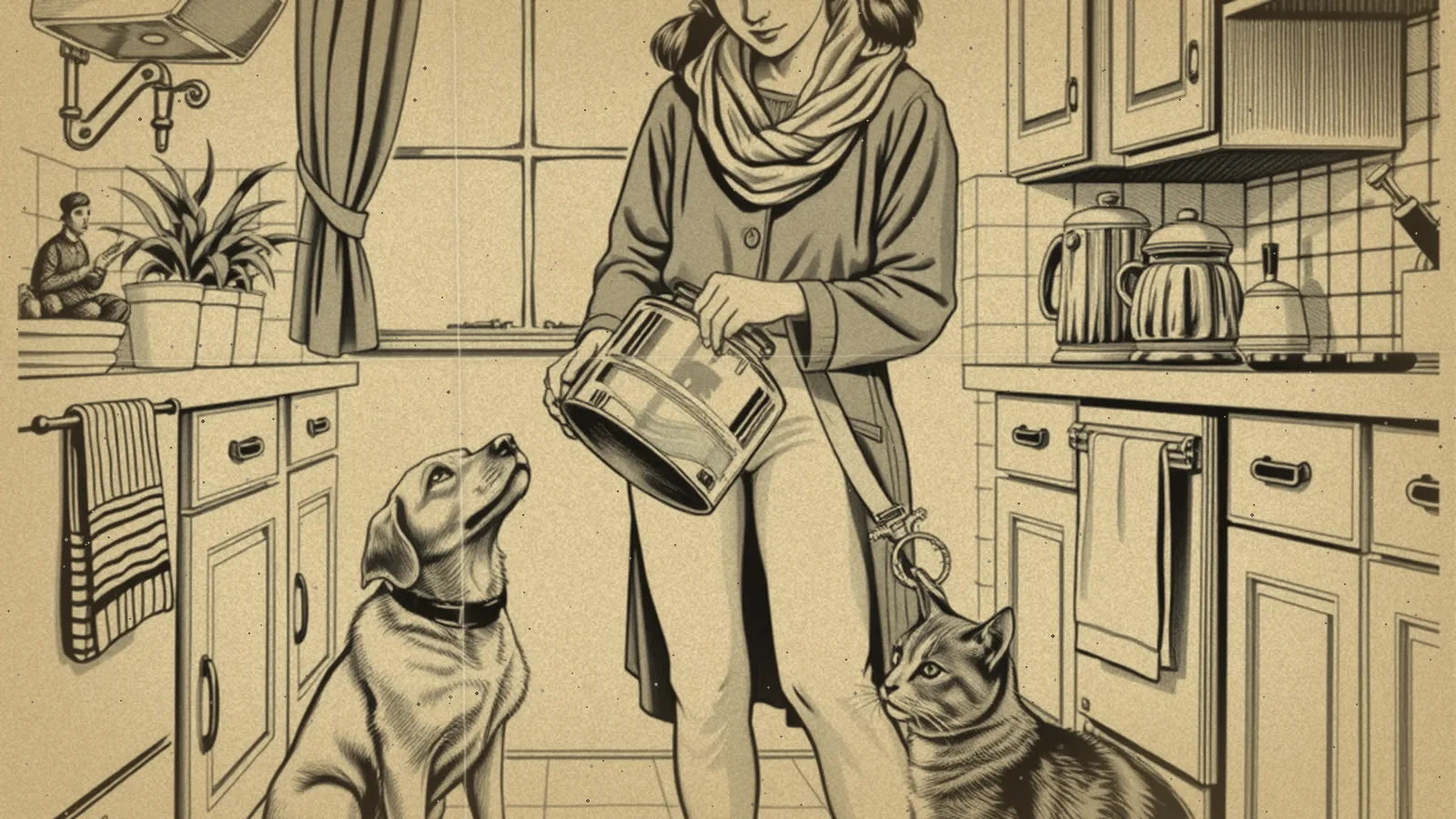
How much water a pet needs in an emergency depends on the animal: its size, diet, age, health and the weather. The most reliable way to plan is to measure what your pet actually drinks on normal days, store that much for as many days as you store water for your family, then add extra for heat, stress or illness. Your veterinarian can confirm the right amount for your animal.
Pets are part of the household water plan covered across our Water section. They count every bit as much as the people in the home.
Why a measured number beats a rule of thumb
You'll find many general formulas for pet water online. The trouble is that real needs vary a lot. A cat eating wet food gets much of its water from meals. A large dog on dry kibble drinks more. Puppies, kittens, older animals and those with kidney or heart problems can have very different needs. A measured number tailored to your own animal, confirmed by your vet, is better than any guess.
How to measure your pet's water use
This takes three or four ordinary days and a measuring cup.
- Fill the bowl with a measured amount each morning and write it down.
- Measure what's left the next morning before refilling.
- Subtract to see what was used. Spills and evaporation will sneak in, which gives you a small built-in cushion.
- Repeat for a few days and take the highest number, not the average.
- Write it on your plan next to each pet's name.
If you have several pets sharing one bowl, measure for the group and plan for the group.
A few tips make the numbers more accurate. Measure during a stretch of typical weather, and note whether your pet ate wet or dry food that week. If someone in the home uses a wheelchair or has limited reach, set the bowl at a height they can refill easily during the test, since the same person may be refilling it during an outage. Keep the notes with your emergency plan so anyone caring for your pet can find them.
Worked example: a family with two pets
Picture a family in a ground-floor apartment with a medium-sized dog and an older cat. After four days of measuring, they write down the most each animal drank in a day. Then they plan:
| Step | What they do |
|---|---|
| Daily need | Add the dog's highest day and the cat's highest day |
| Days covered | Match their family's goal: a few days in the go-bag, longer at home |
| Heat cushion | Add extra for summer, travel and stress |
| Cleaning water | Add a little for washing bowls and wiping paws |
| Total | Round up to whole containers |
Because their cat has kidney disease, they ask their vet whether the cat needs more and whether any special food should be in the kit. They also store a few days of the cat's prescription food, since changing diets suddenly during an emergency can upset a pet's stomach.
Adding pets to your household water supply
Ready.gov's baseline for people is at least one gallon per person per day, with a few days in an evacuation kit and about two weeks at home if you can. Our guide on how much water to store walks through that calculation for different households. Add your pets' measured amounts on top of the people total, not inside it.
Small animals count too:
- Rabbits, guinea pigs and other small pets: pack spare water bottles that fit their cage, and practice refilling them.
- Birds: bring a travel cage with secure water cups and extra water.
- Reptiles: ask your vet about water and heat needs, since outages also affect heat lamps.
- Fish: aquariums depend on power for filters and heaters; ask a pet store or vet about battery air pumps and how to keep water stable.
Safe water for pets
The rule is simple: if water isn't safe for you, it isn't safe for your pet. That means:
- Treat questionable water the same way you would for people, by boiling or disinfecting.
- Keep pets away from floodwater, which can carry sewage, fuel and chemicals.
- Close toilet lids, especially if you're using toilet tanks or pools for flushing.
- Don't let pets drink from puddles near roads after storms.
If you think your pet swallowed something toxic, call your vet or an animal poison control line right away. For any human exposure, call Poison Control at 1-800-222-1222, and call 911 in an emergency.
Storing pet water so it stays fresh
Pet water belongs in the same clean, food-grade containers as people water. Common mistakes, like reusing milk jugs or storing jugs on a hot garage floor, affect pet water too. Our guide to water storage mistakes shows how to avoid them.
Packing water in your pet kit
For evacuations, pack:
- Bottled water or a sealed container sized for your pet's measured daily use.
- A collapsible bowl for each animal.
- A small bottle of extra water in the car for travel days.
- Food, medicines, vaccination records and a recent photo in case you're separated.
Our full pet emergency kit checklist covers carriers, records and finding shelters or hotels that accept pets.
About gadgets that promise endless water
Some people wonder whether a water-from-air machine could cover pets during a long outage. Those devices need humid air and steady power, so they're unreliable exactly when the power is out. Our honest look at atmospheric water generators explains what to expect before you spend money.
Do this today
- Start measuring your pet's water use tomorrow morning with a measuring cup.
- Add a collapsible bowl and a bottle of water to your go-bag.
- Write your vet's phone number and an emergency vet clinic's number on your pet's kit list.
- Ask your vet one question at the next visit: "How much water should I plan for in an emergency, given my pet's health?"
- Put a note in your calendar to re-measure each summer, when needs often rise.
Your pets rely on you completely. A few minutes of measuring now means one less thing to wonder about later.
Want a guided preparedness plan?
Some people like the structure of a paid guide. This button opens a third-party survival or preparedness program from one of our advertising partners. Its claims are its own, not ours, so weigh them against our red flags checklist.
See the partner program →We may be paid when you click. The program shown can change. Read its terms before you buy anything. How this works
Frequently asked questions
How much water should I store for my dog or cat?
The most reliable answer comes from measuring what your pet actually drinks on normal days, then storing enough for the same number of days you store for people, with extra for heat or illness. Ask your veterinarian to confirm what's right for your animal.
Can pets drink water that isn't safe for people?
No. If water isn't safe for you to drink, it isn't safe for your pet either. Treat it the same way, and keep pets away from floodwater, puddles and toilet bowls during emergencies.
Do pets need more water in hot weather or when evacuating?
Usually, yes. Heat, stress, travel, nursing and illness can all raise how much an animal drinks, so pack extra and check with your vet about your pet's needs.