Emergency Water Sources in Your Home (and Which to Avoid)
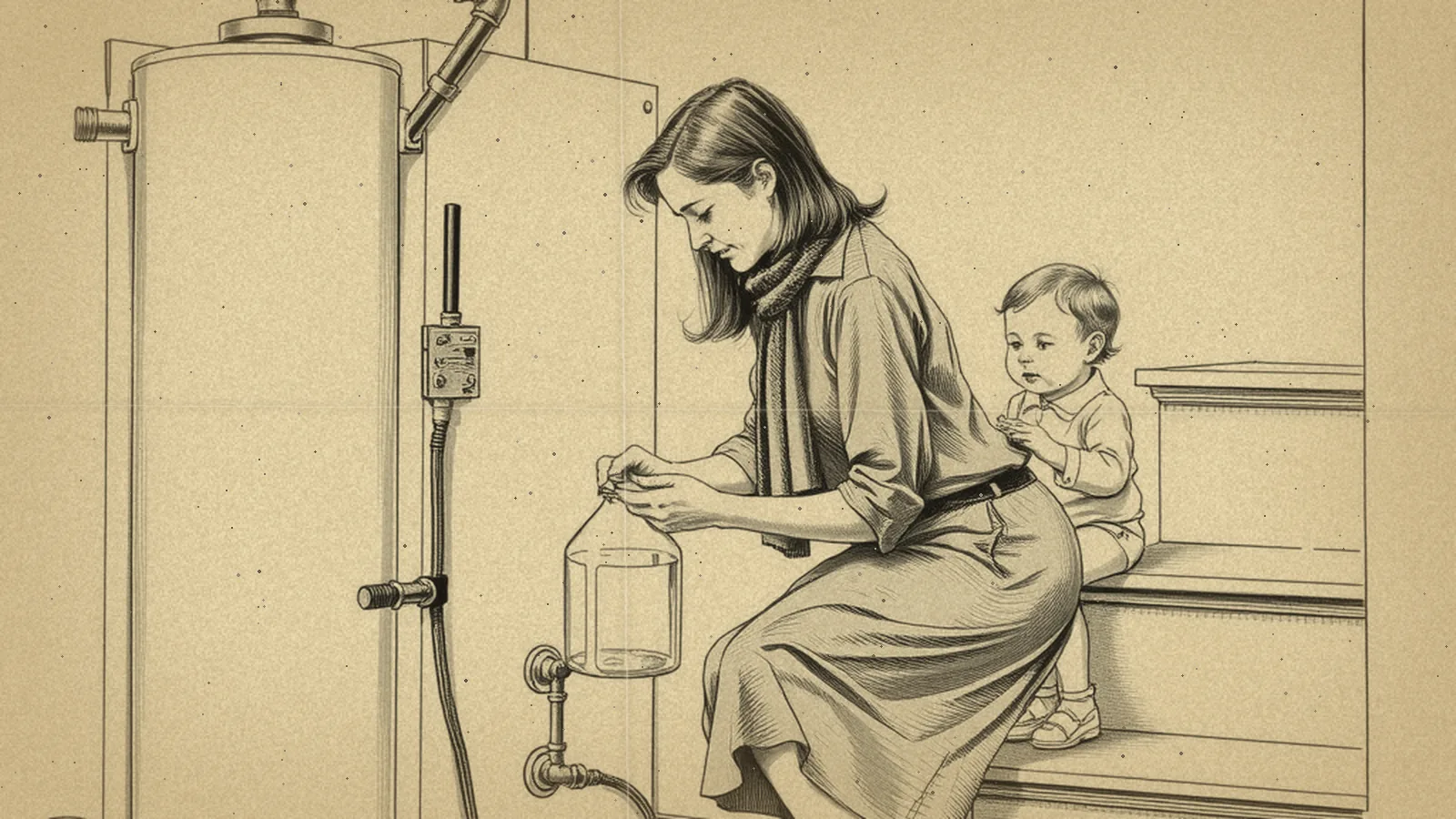
Most homes hold more emergency water than people realize: in the water heater tank, in the pipes, in the freezer as ice, and in the toilet tank. With a few safe steps, these sources can carry a household through a short disruption. Some water in your home is never safe to drink, though, including pools, waterbeds, heating systems and the toilet bowl.
These hidden sources are a backup to the stored supply covered across our Water section, not a substitute for it. Knowing where they are now saves stress later.
Step one: protect the water you have
If your water utility or local officials say the public supply may be contaminated, or a main breaks nearby, close your home's main water shutoff valve. That keeps questionable water from flowing into your pipes and water heater. If you don't know where your main valve is, find it this week. It's often near where the water line enters the house, in a basement, crawl space, utility closet or near the street meter.
Renters can ask the landlord or building manager where the shutoff is and who's allowed to use it. In apartments it may be in a shared utility room.
The best sources, in order
1. Your water heater
A tank-style water heater holds a meaningful amount of clean water. To use it safely:
- Turn off the energy source. For an electric heater, switch off its breaker. For gas, turn the gas control to "off" or "pilot." A heater that runs with an empty tank can be damaged or become a hazard.
- Let it cool. The water inside is hot enough to scald. Wait several hours.
- Close the cold water inlet at the top of the tank so nothing new flows in.
- Open a hot water faucet somewhere in the house. This lets air in so the tank drains.
- Open the drain valve at the bottom and fill clean containers. The first water may have sediment; let it settle and pour off the clear water.
When service returns, refill the tank completely before you turn the power or gas back on. If you have any doubt about relighting a gas heater, call your gas utility or a licensed technician.
Tankless water heaters don't store water, so this source isn't available in homes that have them.
2. The pipes
Water sits in your plumbing even after the main is closed. Open the highest faucet in the house to let air in, then catch water from the lowest faucet, such as a basement sink or an outdoor spigot. In a one-story home, the lowest point may be a laundry tub.
3. Ice
Ice cubes and bags of ice made from safe tap water are drinkable as they melt. Keep a container under them in the freezer and use the meltwater. Frozen bottles of water double as cold packs to help keep food cold longer during an outage.
4. The toilet tank
The tank behind the toilet, not the bowl, holds clean supply water. It's only usable if no chemical bowl cleaners, dyes or tablets have been added. Disinfect it before drinking, or save it for washing and flushing.
5. Canned foods
Liquids in canned fruits and vegetables add a little hydration. They're not a water source to plan on, but they help.
Sources to avoid for drinking
| Source | Why not | What it's okay for |
|---|---|---|
| Toilet bowl | Germs from use | Nothing for people |
| Swimming pools and hot tubs | Treatment chemicals and contamination | Flushing toilets, cleaning |
| Waterbeds | Chemicals added to the water, plastic contact | Flushing toilets |
| Radiators and hot-water heating systems | Chemicals and rust | Nothing |
| Water softener brine tank | Very salty | Nothing |
| Floodwater | Sewage, fuel and chemicals | Nothing; avoid contact |
When to treat water from these sources
If the water was in your home before any problem with the public supply, it's generally fine. If you're unsure whether contaminated water reached your pipes or tank, treat it before drinking. Boiling is one dependable method; see our boiling water guide for the CDC timing. If the water has sediment from the bottom of the water heater, a filter can clear it. Our guide to emergency water filters explains which types handle grit and what they can't remove.
Other water around your property
If you live outside town, your home may rely on a private well. A well pump needs electricity, so an outage can cut off your supply even though the water is still underground. Our guide to well water in emergencies covers backup options and what to do if a flood reaches the wellhead.
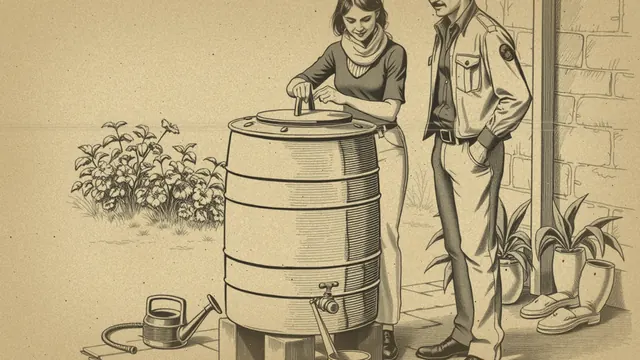
Many households also collect rain for gardens. That water is great for flushing toilets during an outage, and with proper treatment it can become drinking water too. Rainwater harvesting explains how to set up barrels and treat what you collect.
Do this today: a 20-minute home water walk
Walk through your home with a notepad and check off each item:
- Find the main water shutoff valve and make sure it turns.
- Find the water heater's breaker or gas control and the drain valve.
- Check that you have a short garden hose or a pan that fits under the drain valve.
- Find the lowest faucet in the house.
- Look in the toilet tank for any cleaning tablets. If you use them, note that this source is out.
- Put a few bags of ice or frozen water bottles in the freezer.
- Write the steps on an index card and tape it near the water heater.
A household where one person uses a wheelchair might also check whether the drain valve and shutoff can be reached easily, and ask a neighbor to help if not.
These steps fit right into a broader outage plan. Our checklist on how to prepare for a power outage covers lighting, food and communication alongside water.
Keep it calm and simple
You don't need special gear to use these sources, just a little knowledge ahead of time. Follow instructions from your water utility and local emergency officials, especially about boil-water notices, and you'll be able to stretch your supply until service returns.
Want a guided preparedness plan?
Some people like the structure of a paid guide. This button opens a third-party survival or preparedness program from one of our advertising partners. Its claims are its own, not ours, so weigh them against our red flags checklist.
See the partner program →We may be paid when you click. The program shown can change. Read its terms before you buy anything. How this works
Frequently asked questions
Is water from a water heater safe to drink in an emergency?
It's usually one of the better backup sources in a home if the tank was filled before any contamination. Turn off the power or gas first, let the water cool, and treat it if you're unsure whether contaminated water reached the tank.
Can I drink water from the toilet tank?
Water in the tank (not the bowl) can be used if no chemical cleaners or colored tablets have been added, and it should be disinfected first. Never drink from the bowl.
Should I turn off my main water valve during an emergency?
If officials report that the public water supply may be contaminated, closing the main valve keeps that water from entering your pipes and water heater. Follow your water utility's instructions.