How to Prepare for a Power Outage: Before, During and After
To prepare for a power outage, gather lights and batteries, water, no-cook food, a radio and a way to charge your phone in one easy-to-find spot, then make a short plan for food, medical needs and staying warm or cool. Most of this takes an afternoon and costs less than you might think. The checklist below is split into before, during and after, so you can work through it at your own pace.
This page is the starting point for our Power Outages guides, which go deeper on each step. Think of preparation as buying yourself calm: when the lights go out, you'll already know where everything is.
Before an outage: the setup checklist
Work through these once, then check them twice a year.
Light and power
- One flashlight or headlamp per person, plus a lantern for shared rooms
- Extra batteries in the sizes your gear uses, stored in their packaging
- A charged power bank for each phone, or one large one per household
- A battery-powered or hand-crank radio, ideally a NOAA Weather Radio, which broadcasts National Weather Service warnings around the clock
Water and food
- Stored drinking water. Ready.gov's guideline is a gallon per person per day; our guide on how much water to store helps you work out your number.
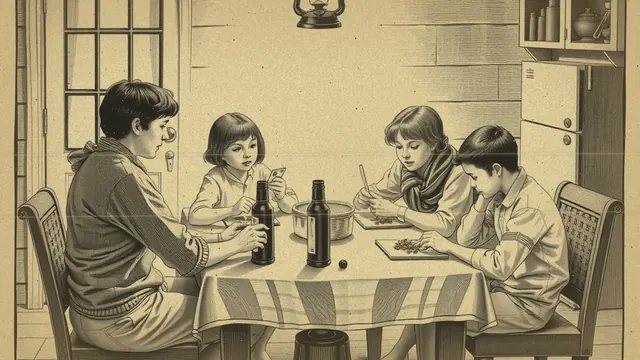
- Food your household already eats that needs no cooking: canned beans, peanut butter, crackers, cereal, shelf-stable milk, fruit cups
- A manual can opener
- An appliance thermometer in the fridge and another in the freezer, so you can check temperatures later
Health and safety
- A list of medications and a supply on hand, plus a plan for any that need refrigeration
- Battery-operated or battery-backup carbon monoxide alarms and working smoke alarms
- A first aid kit
- Know how to open your garage door manually and where your main breaker is
Many of these items also belong in a go-bag. Our 72-hour kit checklist is the full master list if you want to build both at once.
A worked example: shopping list for a family of four
Here is how one household might start. Imagine two parents, an eight-year-old, a toddler and a cat in a rented townhouse. They already own two flashlights and a first aid kit.
| Need | What they buy or gather | Why |
|---|---|---|
| Light | Two headlamps, one lantern, a pack of batteries | Hands-free light for cooking and bedtime |
| Info | A hand-crank radio with a phone charging port | Works when cell service is spotty |
| Phones | One large power bank | Keeps two phones going for a couple of days |
| Water | Enough jugs for four people and the cat | Covers drinking and basic washing |
| Food | Two weeks of extra shelf-stable groceries they normally eat | Easy to rotate into regular meals |
| Comfort | Toddler snacks, a card game, a sleeping bag per person | Keeps everyone calm and warm |
They spread the purchases over a month by adding a few items to each grocery run. That pace works for many budgets.
Plan for the people in your home
A good plan fits your household, not a generic list.
- Medical needs. If anyone uses powered medical equipment, talk with the provider about backup power and ask your utility whether it keeps a list of customers with medical needs. Our guide to medical devices and outages walks through it.
- Older relatives and neighbors. Decide who will check on them by phone or in person.
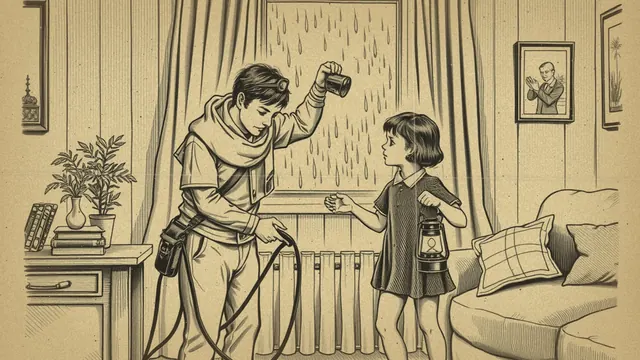
- Kids. Show them where the flashlights are and let them practice a "lights out" evening so it feels like an adventure.
- Pets. Set aside water and food for them, and know which rooms stay warmest or coolest.
- Renters. Ask your landlord how the building handles outages, such as whether elevators, water pressure or door entry systems depend on power.
When an outage is on the way
Sometimes you get warning, such as a forecast for an ice storm or a utility notice about planned shutoffs. Use that time well.
- Charge every phone, power bank and rechargeable light.
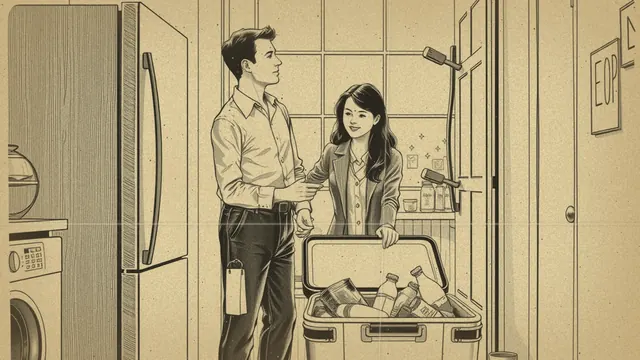
- Turn the fridge and freezer to their coldest settings and avoid opening them.
- Fill water containers if you haven't already.
- Fill your car's gas tank or charge your electric vehicle, since pumps and chargers need power.
- Get some cash, because card readers may be down.
- Bring in or tie down outdoor items before a windstorm.
- Follow instructions from local emergency officials, including any evacuation orders.
During the outage
When the lights go out, the first hour matters most: report the outage, unplug sensitive electronics and keep the fridge closed. Our step-by-step guide on what to do during a power outage covers the first hour and the days after, so you're not making decisions in the dark.
Food is the question most people ask next. A closed fridge and a full freezer hold their cold for a limited time, and knowing those limits keeps you from tossing good food or keeping risky food. Read food safety during a power outage before you need it.
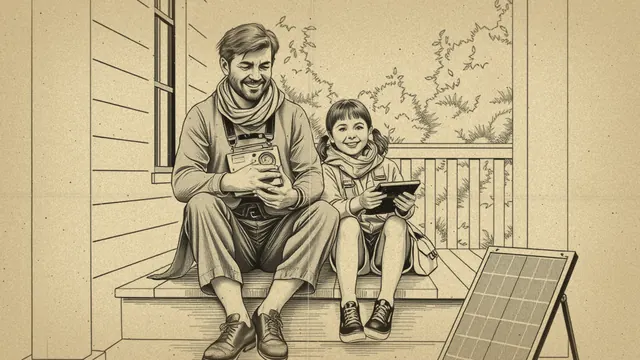
Staying connected is the other big worry. Texts often go through when calls won't, and a car charger or power bank can keep a phone alive for days. Our guide to phones and communication in outages explains how to stretch your battery and keep in touch with family.
If you plan to use a generator, run it outdoors only and well away from windows, doors and vents. Review generator safety before the first storm of the season, not during it.
After the power comes back
- Plug appliances back in one at a time to avoid a surge.
- Check fridge and freezer temperatures before deciding what to keep.
- Restock batteries, water and any food you used.
- Recharge power banks and lights right away.
- Write down what you wished you'd had. That note is your next shopping list.
Do one thing today
Pick a shelf or bin and label it "outage." Put every flashlight you own in it, along with batteries and a radio. That single step solves the most common outage problem: fumbling for light in the dark.
If you'd like more structure, such as a class or course, our guide to choosing a program explains how to decide whether paid training is worth it and where to find free options.
Want a guided preparedness plan?
Some people like the structure of a paid guide. This button opens a third-party survival or preparedness program from one of our advertising partners. Its claims are its own, not ours, so weigh them against our red flags checklist.
See the partner program →We may be paid when you click. The program shown can change. Read its terms before you buy anything. How this works
Frequently asked questions
What should I have at home for a power outage?
Keep flashlights or headlamps with extra batteries, a battery-powered or hand-crank radio, stored water, food that needs no cooking, a charged power bank, a first aid kit and any medications you rely on. Store them together so you can find them in the dark.
How do I get my house ready when a storm is coming?
Charge phones and power banks, fill water containers, turn the fridge and freezer to their coldest settings, put flashlights where you can reach them, and fill your car's tank. Check on neighbors who may need help.
Should I buy a generator to prepare for outages?
Not necessarily. Many households do well with lights, batteries, a power bank and a cooler. If you do get a generator, learn the carbon monoxide rules first and run it only outdoors, far from the house.