Water Storage Mistakes (and the Easy Fixes)
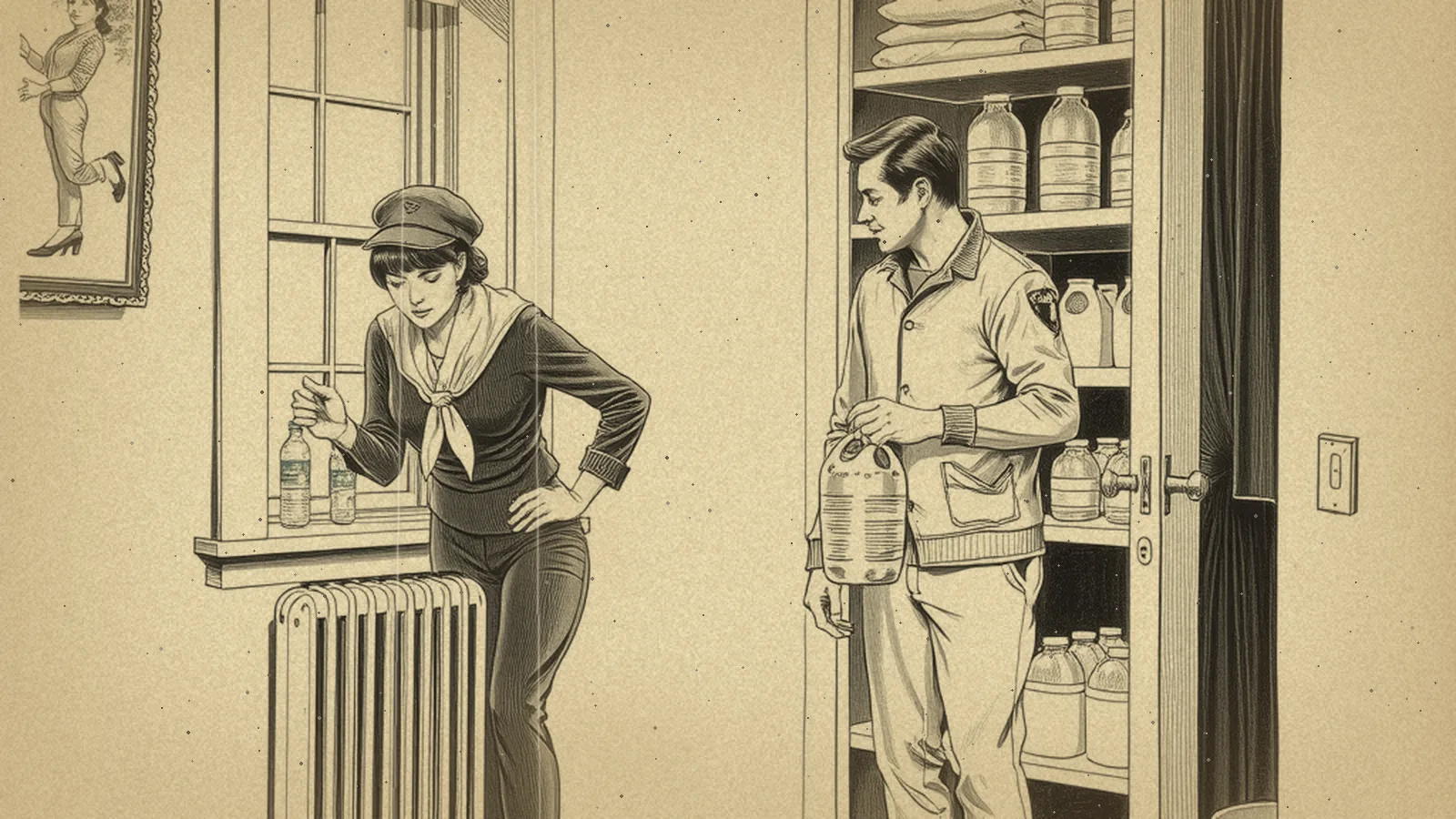
The most common water storage mistakes are using milk jugs, keeping containers in sunlight or heat, storing water near gasoline or chemicals, storing too little, and forgetting to rotate it. Each one has an easy fix, and most cost nothing. Spend half an hour checking your supply against this list and you'll have water you can actually count on.
The full set of guides on storing, treating and finding water lives in our Water section. This page is the quick troubleshooting list.
Mistakes with containers
1. Reusing milk or juice jugs
Milk jugs are designed to break down and can't be cleaned well enough to remove all milk proteins and sugars. That leftover residue can let bacteria grow, and the thin plastic can split. Juice jugs carry similar problems.
Fix: Use food-grade containers made for water, or clean bottles that originally held water or soda. Our guide to water storage containers compares sizes and plastics.
2. Using containers that held something else
Paint buckets, trash cans, detergent bottles and anything that ever held chemicals can leave residue no amount of rinsing will fully remove.
Fix: Only use containers that have only ever held food or drinks, or new ones sold for water storage.
3. Skipping the cleaning step
Even good containers need cleaning before you fill them.
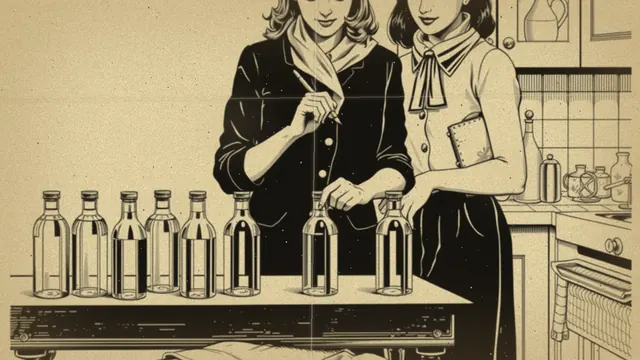
Fix: Wash with dish soap and water, rinse well, then sanitize as directed by the container maker or a public health source, and rinse again.
4. Filling glass to the top and freezing it
Water expands as it freezes and can crack glass or split plastic.
Fix: Freeze only in plastic made for freezing and leave headroom at the top.
Mistakes with location
5. Storing water in sunlight
Sunlight warms water and encourages algae, and it breaks down many plastics.
Fix: Keep containers in a cool, dark place, or cover them with an opaque tarp or blanket.
6. Keeping it next to fuel or chemicals
Fumes from gasoline, kerosene, paint thinner, pesticides and pool chemicals can pass through some plastics and give water an off taste or worse.
Fix: Store water well away from these items. If your only option is a garage, put water on the opposite side from the fuel and chemical shelf.
7. Putting everything in one spot
If all your water is in a flooded basement or a garage you can't reach, it doesn't help.
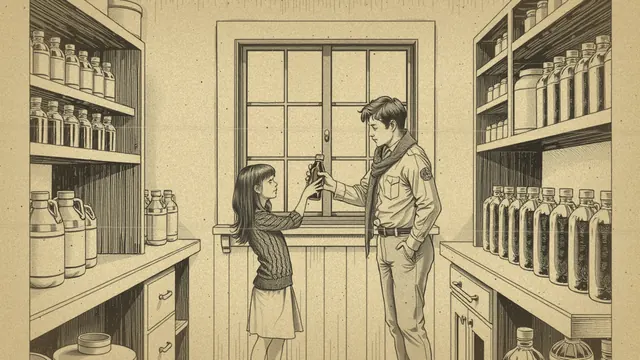
Fix: Split your supply. Keep some in a closet, some under a bed, and a few bottles in the car and each go-bag. Apartment dwellers can use under-sink and closet floor space.
8. Storing containers too heavy to move
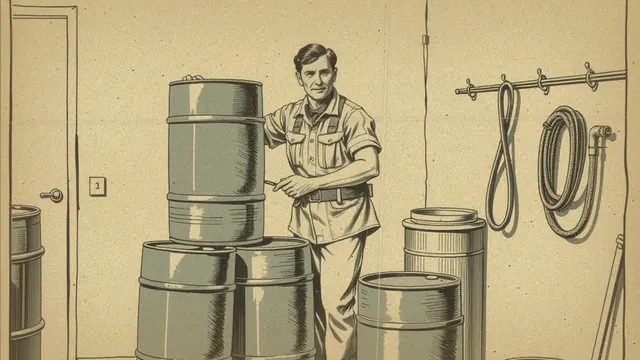
A full large drum can't be carried. If you're older, have a back injury or use a mobility aid, big containers may be out of reach when you need them.
Fix: Mix sizes. Pair a few large containers with smaller ones anyone in the home can lift, and keep a hand pump or siphon with large drums.
Mistakes with amounts and planning
9. Storing too little
The Ready.gov baseline is at least one gallon per person per day, and that covers both drinking and basic hygiene. Hot weather, nursing, illness and kids can push needs higher. Our guide on how much water to store has a household table you can use to check your total.
Fix: Count your containers and compare against your household's number. Fill the gap a little at a time.
10. Forgetting the pets
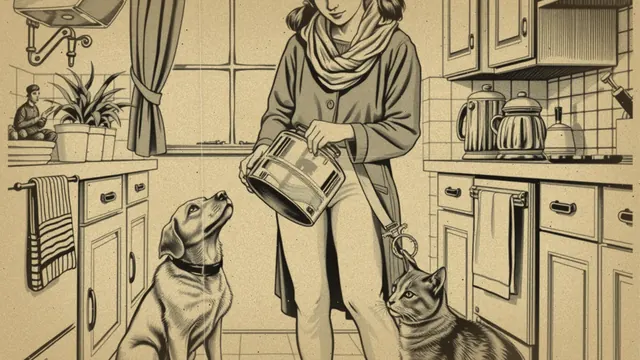
A dog or cat needs water too, and pet needs often get left out of the math.
Fix: Measure what your animals actually drink and add it on top of the people total. Our guide to water for pets shows how.
11. Forgetting to rotate
Self-filled water won't last forever, and lids can loosen and containers can wear out over time.
Fix: Label every container with the date filled. Set a calendar reminder to check and rotate your supply on the schedule our rotating stored water guide recommends.
12. Having no way to treat water
If stored water runs out, you'll need to treat water from other sources.
Fix: Keep plain, unscented household bleach and a dropper, or a way to boil water outdoors safely. Scented, color-safe and splash-less bleaches aren't for disinfecting water. Our bleach water purification guide has the EPA's steps.
A bonus mistake: buying gadgets before basics
Ads for pricey water gadgets often lean on fear. A stored supply in clean containers does more for most households than any device. If something you're considering uses countdown timers or big promises, our guide to choosing preparedness programs and products can help you think it through.
Quick audit table
| Check | Yes / No | Fix by |
|---|---|---|
| Food-grade containers only | ||
| Out of sunlight and heat | ||
| Away from fuel and chemicals | ||
| Stored in more than one place | ||
| At least some containers anyone can lift | ||
| Enough for everyone, including pets | ||
| Every container dated | ||
| A way to treat more water |
Do this today
- Walk to wherever you keep water. Move anything sitting in sunlight or near fuel.
- Replace any milk or juice jugs with proper containers.
- Write the date on every container with a marker or tape label.
- Add a reminder to your phone to check the supply again in a few months.
- Put a small bottle of plain unscented bleach and a dropper with your water.
Same habits, different shelf
Many of these mistakes have twins on the food side: heat, pests, poor rotation and storing things you won't use. Our list of food storage mistakes covers them, so you can fix both shelves in one afternoon.
Every household gets something wrong at first. A renter with bottles behind the couch and a farm family with drums in the barn can both make their supply more dependable with the same few habits.
Want a guided preparedness plan?
Some people like the structure of a paid guide. This button opens a third-party survival or preparedness program from one of our advertising partners. Its claims are its own, not ours, so weigh them against our red flags checklist.
See the partner program →We may be paid when you click. The program shown can change. Read its terms before you buy anything. How this works
Frequently asked questions
Why shouldn't I store water in milk jugs?
Milk jugs are thin, break down over time and are hard to clean fully, so milk residue can let bacteria grow. Use sturdy food-grade containers made for water instead.
Can I store water in the garage?
You can if it stays out of sunlight, away from heat and well away from gasoline, paint, pesticides and other chemicals, whose fumes can pass through some plastics. A cool closet or basement is often a better spot.
What's the biggest water storage mistake?
Storing too little, or storing it once and forgetting it. Plan for at least the Ready.gov baseline and set calendar reminders to check and rotate your supply.