Emergency Water Filter Types: Gravity, Pump, Straw and Bottle
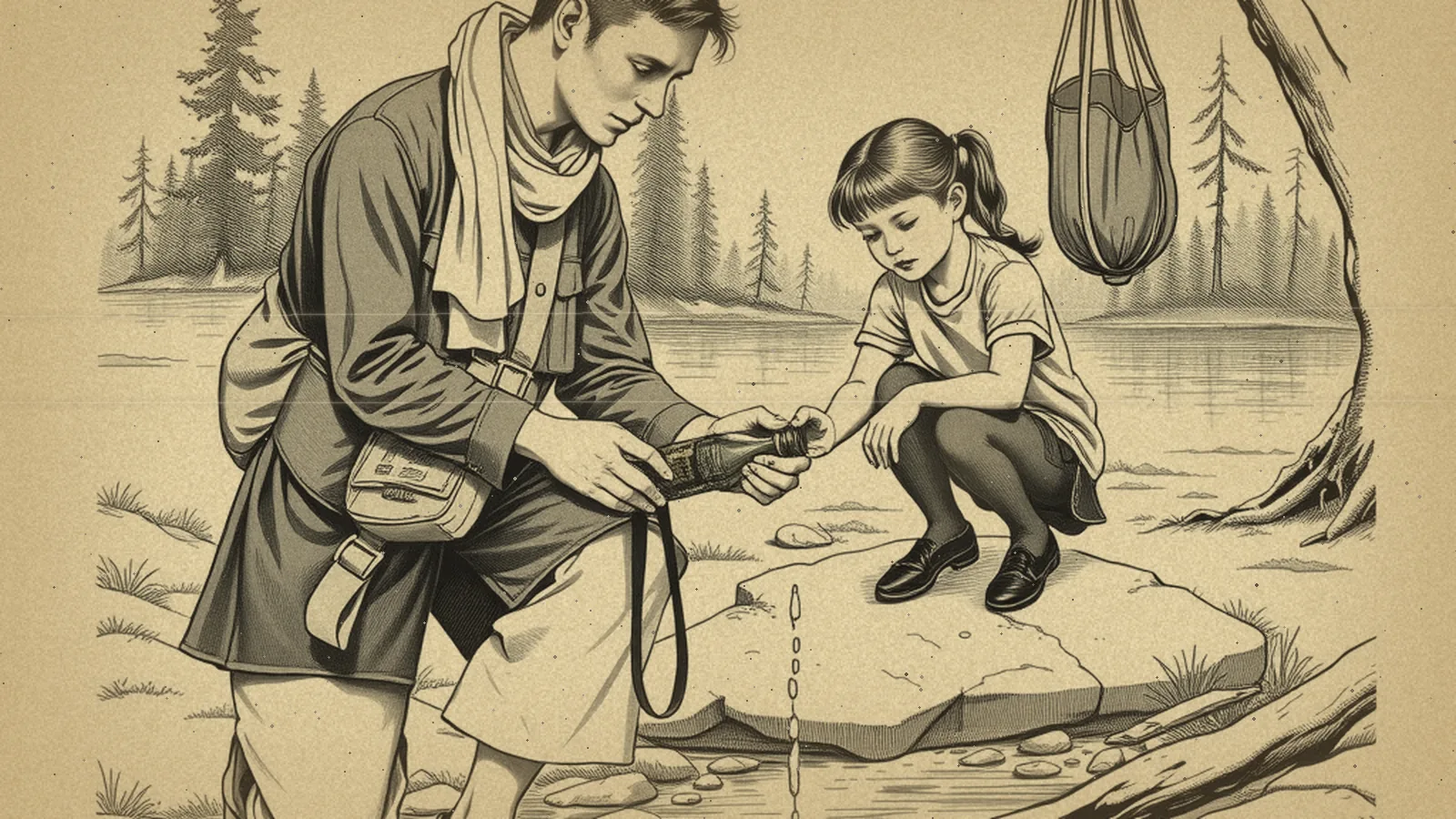
The best emergency water filter is the one that fits how you'll actually use it: a gravity filter for a household, a pump for filling bottles from a stream, and a straw or bottle filter for a go-bag. Just as important, know the limit. Many portable filters remove bacteria and protozoa but not viruses or chemicals, so you check the certifications and label before you count on one.
Filters are one tool among several in our Water section, where you'll also find storage and disinfection guides. A filter works best as a backup to stored water, not a replacement for it.
What a filter does, and what it doesn't
A filter pushes water through a material with tiny openings. Anything bigger than those openings gets caught. That's why filters do well with:
- Protozoa, the larger organisms often found in lakes and streams
- Bacteria, which are smaller but still caught by many hollow-fiber and ceramic filters
- Sediment and grit, which also makes the water look and taste better
What usually gets through:
- Viruses, which are far smaller than bacteria. Only some filters are designed and tested to stop them.
- Dissolved chemicals, such as fuel, pesticides, solvents or salt. Some filters include carbon that improves taste and reduces certain chemicals, but a portable filter is not a fix for chemically polluted water.
When viruses are a concern, such as water that may contain sewage, filter first to clear it, then disinfect. Our guide to bleach water purification explains how to disinfect filtered water with household bleach, which handles the viruses a filter may let through.
The four common filter types
| Type | How it works | Good for | Trade-offs |
|---|---|---|---|
| Gravity | Fill a dirty-water bag or upper chamber; water drips through a filter into a clean container | Households, groups, base camp, sheltering at home | Slower; needs a place to hang or set it |
| Pump | Hand pump pulls water through a hose and filter | Filling bottles from shallow streams or ponds | More moving parts; tiring for big batches |
| Straw | Drink directly through a filter tube | Personal backup in a go-bag or car | One person at a time; hard to fill pots |
| Bottle | Filter built into a squeeze or sip bottle | Commuters, kids' bags, hiking | Small volume; filter must be kept from freezing |
Some countertop pitcher filters sold for tap water are designed mainly for taste. They are not the same as filters made for untreated water, so read the label before relying on one in an emergency.
How to read a filter label
You don't need brand advice to shop well. You need to read what the box actually claims.
- Look for what it's tested to remove. Labels should name categories such as bacteria, protozoa and viruses. If viruses aren't listed, assume they aren't removed.
- Look for independent certification. Claims backed by third-party testing to a recognized drinking-water standard are more trustworthy than marketing language alone.
- Check the rated capacity. Every filter wears out. The label tells you roughly how much water it can treat before replacement.
- Note the care rules. Many hollow-fiber filters are ruined if they freeze once they're wet. Some need backflushing to keep flowing.
- Be wary of big promises. Words like "removes everything" or "makes any water safe" are a reason to slow down. Our guide to choosing preparedness programs and products covers how to judge claims calmly.
Where your filtered water will come from
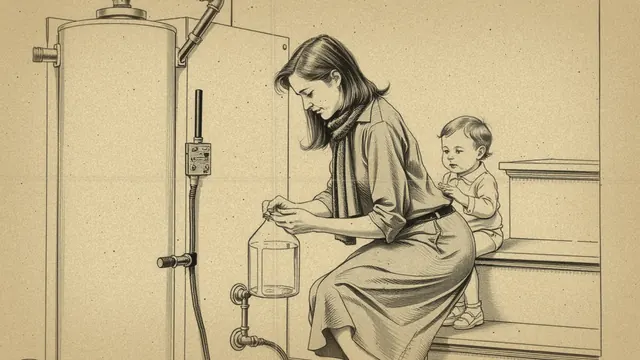
A filter is only as useful as the water you feed it. Before you ever need to go outside, look at what's already inside your walls. Our guide to emergency water sources at home shows how to drain a water heater and pipes safely, and those sources pair well with a gravity filter when sediment shows up.
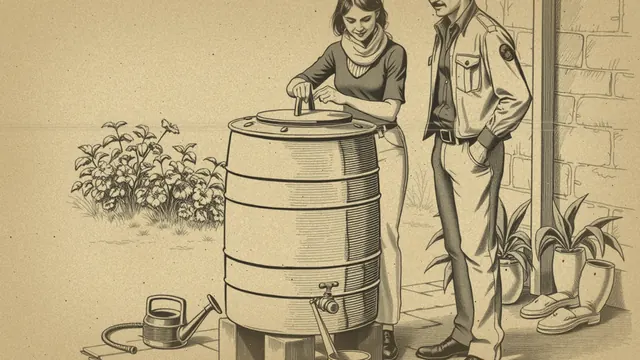
If you collect rain, a filter helps with grit and leaves, but rooftop water picks up droppings and debris, so treating it is still important. Rainwater harvesting covers barrels, first-flush diverters, and why harvested water needs both filtering and disinfecting before anyone drinks it.
A simple filter plan for a household
Picture a family of four in a suburban house: two adults, a teenager and a grandparent who uses a walker. Here's a setup that covers most situations without much cost or clutter.
- At home: one gravity filter stored with the water supply, plus a spare filter element if the model uses replaceable ones.
- In each go-bag: a straw or bottle filter, so anyone who has to leave isn't dependent on the main unit. Our bug-out bag guide shows where it fits among other evacuation gear.
- For disinfection: a small bottle of plain unscented bleach and a dropper, or a way to boil, for when viruses are possible.
- Two clean containers: one marked for dirty water and one for clean, so they never get mixed up.
For the grandparent, a gravity setup means no pumping. For the teenager, a bottle filter in a school bag is easy to carry and use.
Do this today
- Find any filter you already own. Read the box or manual and write down what it removes.
- If it has been wet and stored in a cold garage, check the manual for freeze damage guidance. When in doubt, replace the element.
- Practice once. Filter a pitcher of tap water so you know how long it takes and how to set it up.
- Label one container "dirty" and one "clean" with tape and a marker.
- Add a replacement date to your calendar based on the rated capacity and how often you use it.
Keeping filters working
- Store filters dry when possible, or as the manual directs.
- Prefilter cloudy water through a clean cloth or coffee filter so the main filter clogs less.
- Never let dirty water drip onto the clean side, the clean container or your drinking spout.
- Backflush or clean the filter on the schedule the maker recommends.
- If flow slows to a trickle after cleaning, the element may be done.
When to skip the filter
Some water shouldn't be filtered for drinking at all. Floodwater, water near industrial sites, water with a fuel sheen or chemical smell, and water from a well that's been flooded can carry contaminants no portable filter is built for. In those cases, use stored water and follow your local health department and emergency officials. If you're ever unsure, reach for stored water first and use the filter for washing or cleaning instead.
Want a guided preparedness plan?
Some people like the structure of a paid guide. This button opens a third-party survival or preparedness program from one of our advertising partners. Its claims are its own, not ours, so weigh them against our red flags checklist.
See the partner program →We may be paid when you click. The program shown can change. Read its terms before you buy anything. How this works
Frequently asked questions
Do portable water filters remove viruses?
Many do not. Plenty of portable filters remove bacteria and protozoa but not viruses or chemicals, so read the product's certifications and label, and add boiling or disinfection when viruses are a concern.
What type of emergency water filter is best for a family at home?
A gravity filter is usually the easiest choice for a household because it treats larger batches without pumping. Keep a small straw or bottle filter in each go-bag as a backup.
Can a water filter make floodwater safe to drink?
No ordinary portable filter should be trusted with floodwater, which can carry fuel, sewage and chemicals. Use stored water instead and follow instructions from local officials.