How to Purify Water in an Emergency
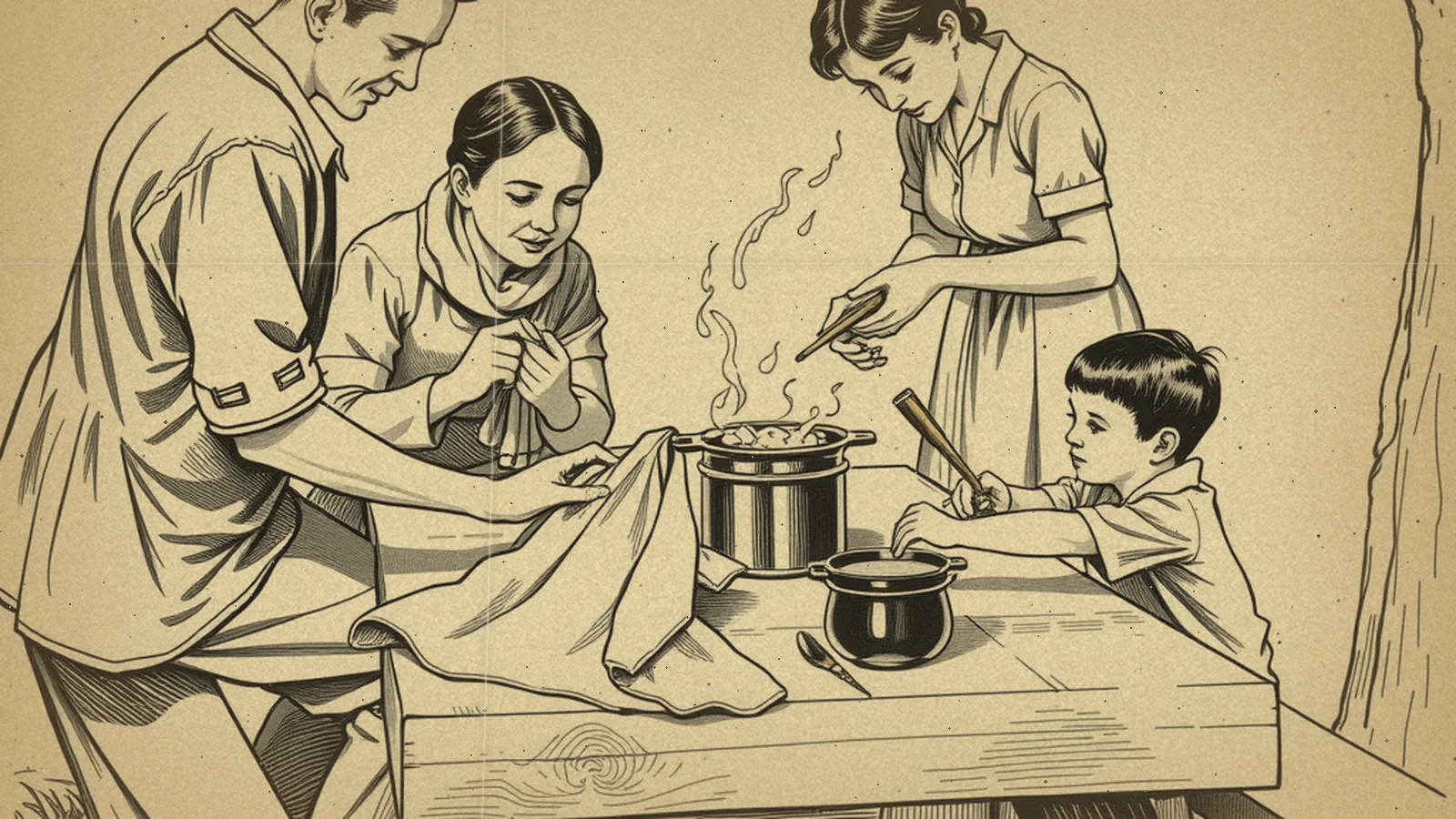
To purify water in an emergency, boil it if you can, use plain unscented household bleach if you can't, and use a filter to clear cloudy water or as an extra step. Start with the clearest water you can find, and always follow your local water utility's instructions during a boil water notice. If water may contain fuel or chemicals, don't drink it.
Treating water is the second line of defense in our Water section, after stored water. This guide is the overview: what each method does, when to use it, and where to find the detailed steps.
First, follow local instructions
During a boil water notice or after a flood, your water utility and local health officials know what's in the water and what's needed to make it safe. Listen to local news, check official social media or a NOAA Weather Radio, and follow their directions. They'll also tell you when the notice ends.
The three main methods at a glance
| Method | What you need | Best for | Limits |
|---|---|---|---|
| Boiling | Pot, heat source, fuel | Most situations with clear water | Needs fuel; doesn't remove chemicals |
| Bleach | Plain unscented bleach, dropper | No power or fuel; larger batches | Must be the right kind; needs wait time |
| Filtering | Portable filter or cloth | Clearing cloudy water; extra step | Many don't remove viruses or chemicals |
Boiling
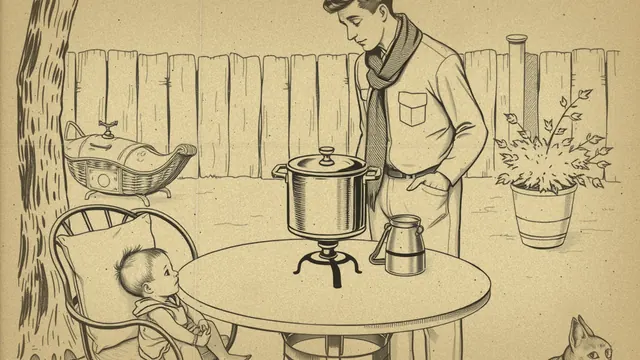
Boiling is the method most people already have the tools for. The CDC's guidance is a full rolling boil for one minute, longer at high elevations, then cooling before drinking. It works well on clear water and needs no special supplies, just a pot and a safe heat source.
The catch is fuel. In a power outage, you'll need a camp stove or grill, and those must only be used outdoors. Our guide to boiling water covers the timing, how to cool it safely, and how to improve the flat taste. It's the right next read if you have a stove and fuel.
Bleach
When boiling isn't possible, the EPA's emergency method uses regular, unscented liquid household chlorine bleach. You add a measured number of drops per gallon, stir, and wait 30 minutes. The dose depends on your bleach's strength, so reading the label matters.
Scented, color-safe and splash-less bleach are not safe for this. Our guide to bleach water purification has the exact drops-per-gallon chart, how to tell if it worked, and how to handle cloudy water. Read it before you need it, and keep a bottle of plain bleach and a dropper with your supplies.
Filtering
Portable filters come in many types: gravity bags, pumps, straws and bottles. Many of them remove bacteria and protozoa but not viruses or chemicals. Always check the product's certifications and label to see what it was tested to remove.
A simpler kind of filtering is pouring cloudy water through a clean cloth, paper towel or coffee filter. This removes dirt and debris but doesn't make water safe by itself. It's a first step before boiling or disinfecting.
Our guide to water filters compares filter types without naming brands, and explains what to look for on the label.
Which method should you use?
Work through these questions in order.
- Does the water smell like fuel or chemicals, or could it have been near a chemical spill? Don't drink it. Find another source.
- Is the water cloudy? Let it settle, then pour it through a clean cloth or coffee filter before treating.
- Do you have a safe way to boil it? Boil it.
- No way to boil? Use plain unscented bleach at the EPA's dose.
- Have a filter? Use it to clear the water first, or as an extra layer alongside boiling or bleach.
Situations and what to do
A city boil water notice. The power is on and the stove works. Boil tap water for drinking, brushing teeth and making ice or baby formula until officials say the notice is over.
A multi-day outage with no gas stove. A family has a camp stove but limited fuel. They boil drinking water outdoors on the camp stove, and switch to bleach for larger batches to save fuel.
An apartment with no stove at all. A renter keeps a small bottle of plain unscented bleach and a medicine dropper with their kit, and stored water for the first few days.
Water from a rain barrel or creek. Settle it, filter out debris through a cloth, then boil or disinfect. Never drink untreated outdoor water.
Water you've stored yourself
Stored tap water that was clean and sealed well usually doesn't need treating. But if a container was damaged, unlabeled or stored somewhere hot, treating it is a sensible precaution. Our guide to rotating stored water explains how to keep your supply fresh so you rarely face that question.
Purification and hygiene go together
Safe water matters for more than drinking. Brushing teeth, washing hands before meals, cleaning wounds and preparing food all call for clean water. Our guide to sanitation and hygiene covers handwashing with limited water and keeping a household healthy when the taps aren't working normally.
Be skeptical of miracle products
Some water products promise to make "any water" safe, or are sold with alarming videos and countdown timers. No single product handles every kind of contamination. Check what a product has been tested and certified to remove, and read our guide to survival product red flags before spending money on anything with fear-based marketing.
Your purification kit checklist
Put these together this week and store them with your water:
- A large pot with a lid
- A camp stove and fuel, for outdoor use only
- A small bottle of regular, unscented liquid household bleach
- A clean medicine dropper
- Clean cloths, paper towels or coffee filters
- Clean containers with lids for treated water
- A printed copy of the boiling and bleach steps
- A portable filter, if it fits your budget
With these on hand and the steps printed out, you'll have more than one way to make water safer when you need it.
Want a guided preparedness plan?
Some people like the structure of a paid guide. This button opens a third-party survival or preparedness program from one of our advertising partners. Its claims are its own, not ours, so weigh them against our red flags checklist.
See the partner program →We may be paid when you click. The program shown can change. Read its terms before you buy anything. How this works
Frequently asked questions
What is the best way to purify water in an emergency?
If you can, bring clear water to a rolling boil and let it cool, following the CDC's timing. If you can't boil, plain unscented household bleach used at the EPA's measured dose is a common backup. Follow any instructions from your local water utility first.
Can a portable water filter make water safe to drink?
Many portable filters remove bacteria and protozoa but not viruses or chemicals, so check the product's certifications and label. Some people filter water first and then boil or disinfect it.
What should I do if water might be contaminated with fuel or chemicals?
Don't drink it, and don't count on boiling, bleach or a basic filter to fix it. Use stored water or another safe source, and follow guidance from your local health department or water utility.