Water Storage Containers: Choosing Safe Jugs, Bricks and Barrels
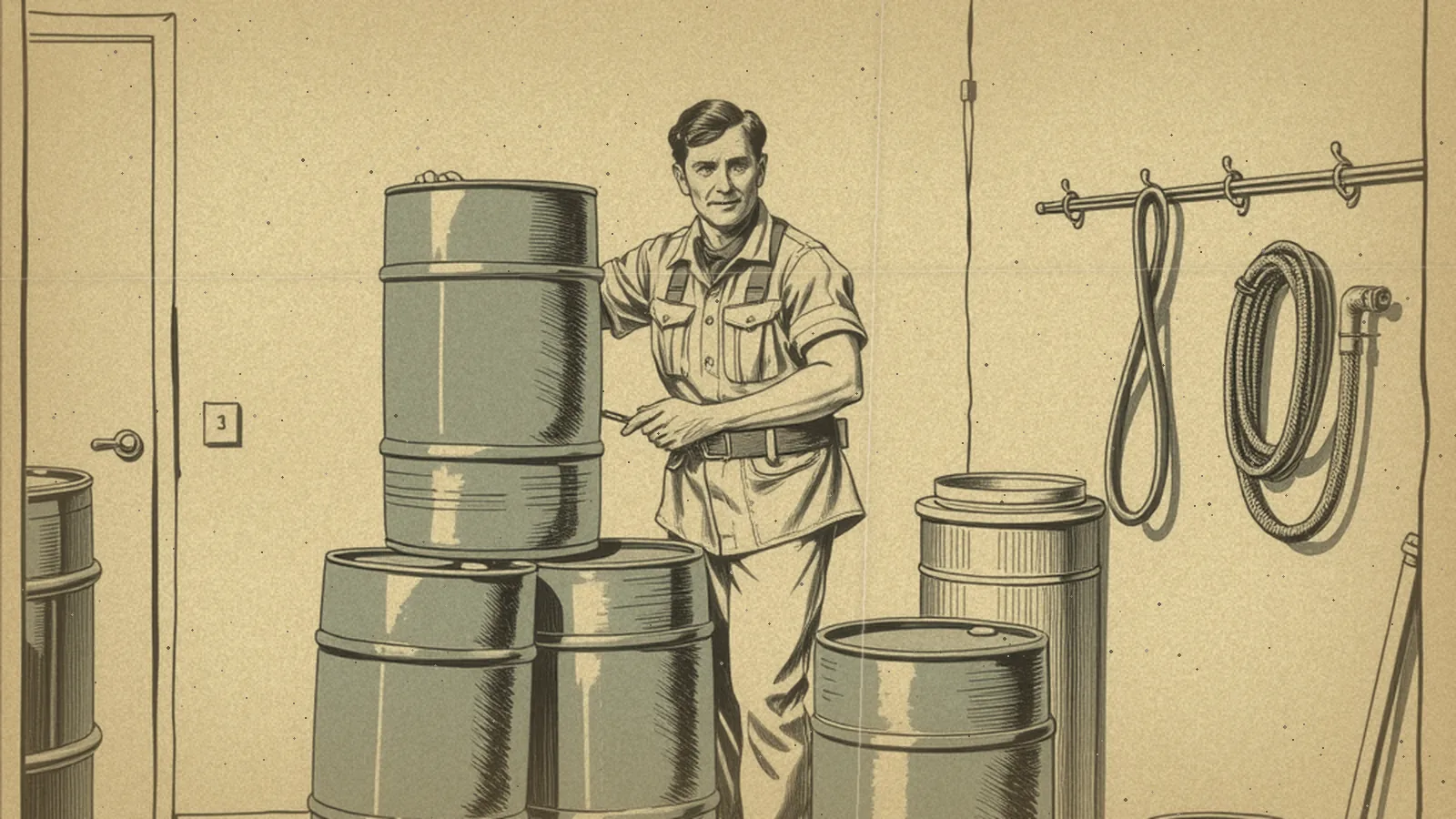
The best water storage containers are ones made for drinking water: sealed store-bought bottles and jugs, or empty containers labeled food-grade with tight caps. Avoid milk jugs, anything that held chemicals, and containers you can't clean well. Choose sizes your household can lift, and keep a mix of small and large.
Containers are the step right after figuring out your amount, and they're one of the most practical topics in our Water section. The right choice depends on your space, your budget and who will be doing the lifting.
The main types, compared
| Container type | Typical sizes | Good for | Watch out for |
|---|---|---|---|
| Sealed store-bought bottles | Single bottles, cases | Go-bags, cars, beginners | Takes shelf space; plastic film can tear |
| Store-bought gallon jugs | 1 gallon | Easy pouring, quick start | Thin plastic; don't stack too high |
| Stackable water bricks | Around 3 to 4 gallons | Closets, under beds, apartments | Cost more per gallon |
| Jerry-style jugs with spouts | Around 5 to 7 gallons | Garages, cars, pouring for cooking | Heavy when full |
| Water barrels | Large drums, often 55 gallons | Houses with a garage or basement | Need a pump and a solid floor |
| Collapsible containers | Various | Filling up before a storm | Not for long-term storage |
There's no single right answer. A renter in a third-floor walk-up might use cases of bottles and a few bricks under the bed. A family with a garage might keep a barrel plus some 5-gallon jugs for carrying water to the kitchen.
What "food-grade" means for you
Food-grade plastic is made and tested to hold things people eat and drink without passing along harmful substances. For water storage, look for:
- Containers sold specifically for drinking water storage
- A label or product description that says "food-grade" or "for potable water"
- Thick, sturdy walls that don't let light through easily
- A cap or bung that seals tightly
A recycling symbol stamped on the bottom isn't proof that a container is food-safe. If you can't confirm what a used container held or what it's made of, don't use it for drinking water.
Containers to skip
Some containers seem handy but cause problems:
- Milk and juice jugs. Leftover sugars and proteins are hard to clean out, and the plastic is meant to break down over time.
- Anything that held chemicals. Even after rinsing, bottles from cleaners, pesticides, antifreeze or pool supplies aren't safe for drinking water.
- Non-food buckets. Paint and hardware-store buckets are often not made from food-safe plastic.
- Glass for large amounts. Glass is fine for a few small jars, but big glass containers are heavy and break during earthquakes or a fall.
- Open-top containers. Anything without a tight lid lets in dust, insects and germs.
Our guide to water storage mistakes covers more of these slip-ups.
Matching containers to your household
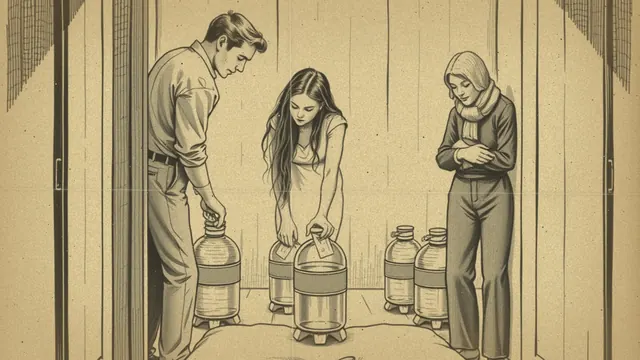
Think about who will move the water. A full 5-gallon jug is heavy, and a full barrel can't be moved at all. Here's how three different households might set up:
An older couple in a single-story home. They pick gallon jugs and small bricks they can each lift comfortably, stored in a hall closet near the kitchen. Nothing goes on high shelves.
A family of five in a house with a basement. They keep a barrel with a hand pump in the basement, plus several 5-gallon jugs with spouts for daily use. Cases of bottles sit by the back door for a quick evacuation.
A wheelchair user living alone in an apartment. They store cases of bottles and small bricks at a reachable height, and keep a pitcher filled in the fridge. A neighbor knows where the supply is in case they need help.
Stacking and storage space
Space is often the real limit, especially in apartments. A few tips:
- Stack only what's designed to stack. Bricks and some jugs lock together; regular gallon jugs can crack under weight.
- Use dead space. Under beds, closet floors, behind the couch and the bottom of a pantry all work.
- Mind the floor. Water is heavy. Large barrels belong on a ground floor or basement slab, not an upper-story closet.
- Raise barrels off concrete. Many people set barrels on a wood pallet or board rather than directly on concrete.
- Keep a pump or spout with the barrel. A full barrel is useless if you can't get water out of it.
For a deeper look at where to keep your supply and how to protect it from heat and light, see our guide to how to store water long term. It picks up where container choice leaves off.
Cleaning a container before you fill it
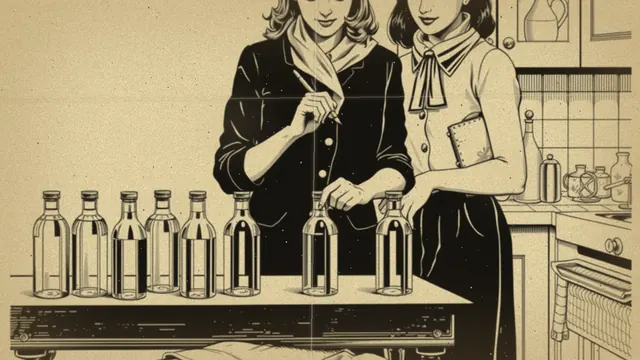
New food-grade containers still need a quick clean. Wash them with dish soap and hot water, rinse well, and let them air dry. Some households also sanitize containers with a mild bleach solution before filling; if you do, follow the product label and rinse thoroughly. Don't touch the inside of the cap or the rim once it's clean.
Store-bought sealed water needs no cleaning. Leave it sealed until you need it.
Plan for rotation from day one
Every container you buy is one you'll check again later. Pick containers that make that easy: clear dates, caps you can reopen, and a spot where you can see them. Our guide to rotating stored water explains how often to swap water out and how to reuse it so nothing goes to waste.
If you're still deciding how many containers you need, our guide to how much water to store turns the Ready.gov per-person guideline into a total for your household.
Same idea, different pantry
Many of the same principles apply to food. Our guide to food storage containers covers buckets, lids and jars for dry goods, and it's a good companion read if you're organizing a storage closet for both.
Your shopping list
Here's a simple starter list for most households:
- Two or three cases of sealed water bottles for kits and cars
- Four to six store-bought gallon jugs for the kitchen
- A few stackable bricks or 5-gallon jugs, if you have room
- A permanent marker and masking tape for dates
- Dish soap and a bottle brush for cleaning reusable containers
Buy what fits your space and budget this month. You can add larger containers later as you learn what works in your home.
Want a guided preparedness plan?
Some people like the structure of a paid guide. This button opens a third-party survival or preparedness program from one of our advertising partners. Its claims are its own, not ours, so weigh them against our red flags checklist.
See the partner program →We may be paid when you click. The program shown can change. Read its terms before you buy anything. How this works
Frequently asked questions
What kind of container is safe for storing drinking water?
Use containers made for drinking water or clearly labeled food-grade, with tight-fitting caps. Sealed store-bought water is the simplest choice because the container and the water are already packaged for drinking.
Can I store water in old milk jugs?
It's best not to. Milk proteins are hard to rinse out completely, and the thin plastic is designed to break down, so milk jugs can leak or grow bacteria over time.
What size water container is best?
Most households do well with a mix: smaller jugs or bricks you can lift and pour easily, plus larger containers or a barrel at home if you have room. Pick sizes everyone in your home can actually carry.