How to Cook Without Power
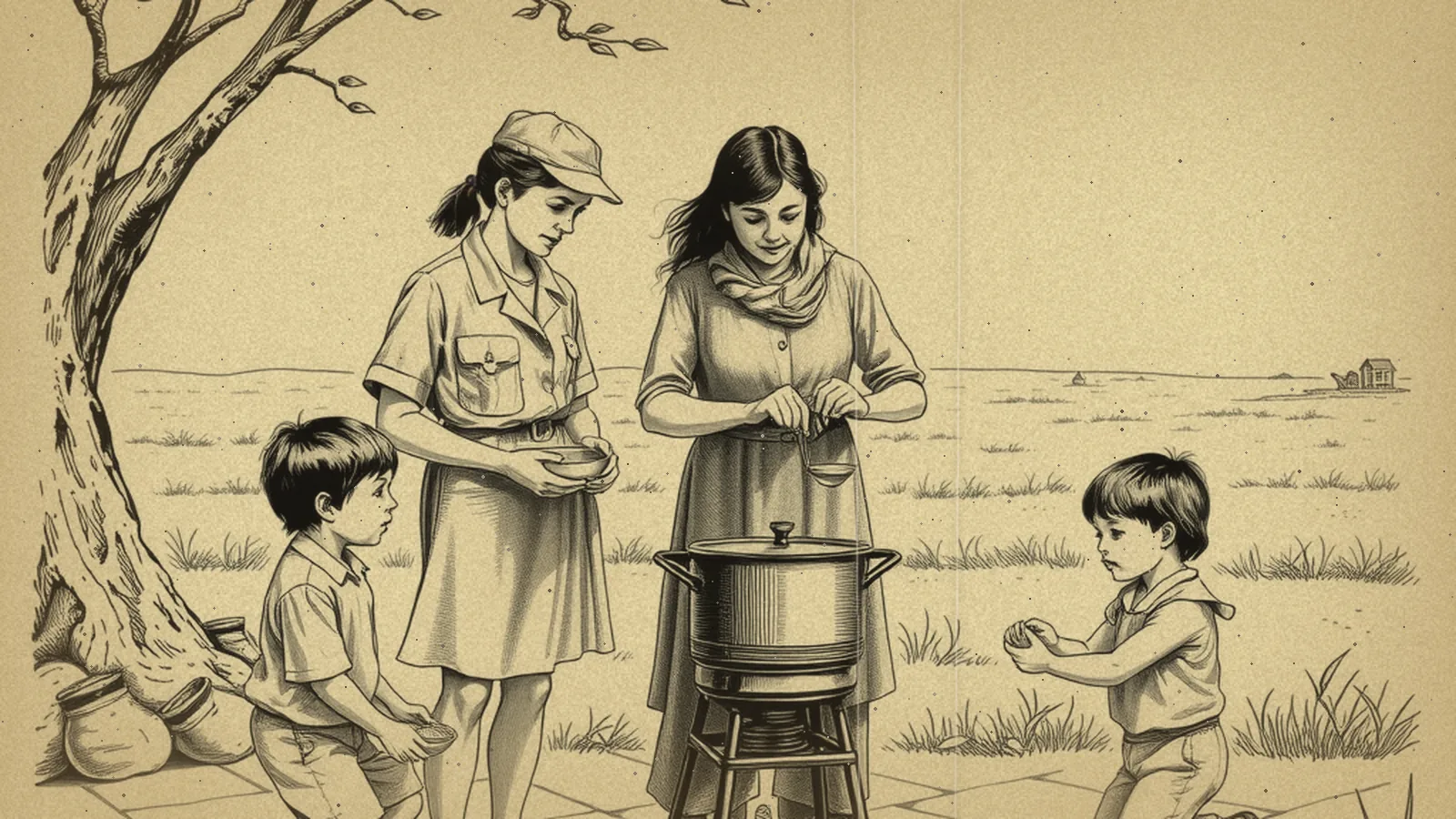
To cook without power, start with no-cook meals from your pantry, then use a camp stove, propane grill or charcoal grill outdoors only, well away from doors and windows. Never cook with a grill, camp stove or other fuel-burning device inside a home, garage, basement or camper, even with windows open. A few days of easy food plus one safe outdoor cooking setup covers most outages.
Cooking is one piece of the bigger plan in our Power Outages section. It is also one of the places where a small mistake can be serious, so the safety rules come first here.
The rule that comes before any recipe
Carbon monoxide is invisible and has no smell. Grills, camp stoves, generators and anything else that burns propane, gasoline or charcoal produce it, and it can build up to dangerous levels indoors within minutes. Open windows and doors do not make indoor use safe.
- Cook outside only, on a stable surface, away from doors, windows and vents.
- Never use a grill or camp stove in a garage, even with the door open, or on a covered porch that traps air.
- Keep battery-operated or battery-backup CO alarms in the home.
- If an alarm sounds or anyone feels dizzy, light-headed or nauseous, get to fresh air and call 911.
Our generator safety guide explains carbon monoxide in depth. Also, never use a gas stove or oven to heat your home during an outage, even if the burners still light.
Step one: eat what is already in the fridge
Before you light anything, use up food that will spoil. Keep the refrigerator closed between trips so it stays cold as long as possible. Plan the first day's meals around fresh items that are still safe, like deli meat, cheese, yogurt and leftovers, then move to the freezer and finally the pantry. When in doubt, throw it out. The food safety during a power outage guide gives the exact time limits for refrigerated and frozen food.
No-cook meals that actually taste good
No-cook meals keep the kitchen cool in summer, save fuel and remove the fire and CO risk entirely.
| Meal | No-cook idea |
|---|---|
| Breakfast | Cereal or granola with shelf-stable milk; peanut butter and banana on bread; fruit cups and nuts |
| Lunch | Tuna or chicken salad from cans with crackers; bean and corn salad with salsa; hummus wraps |
| Dinner | Canned chili or stew eaten at room temperature; tortillas with canned beans, cheese and salsa; pasta salad made from pre-cooked shelf-stable pouches |
| Snacks | Trail mix, dried fruit, granola bars, applesauce, jerky, crackers and cheese |
Keep a manual can opener in the kitchen drawer, not just an electric one. Families with infants should store ready-to-feed formula, which does not need mixing water. Anyone managing a medical diet should plan with their doctor or dietitian.
Outdoor cooking options
| Option | Good for | Safety notes |
|---|---|---|
| Single- or two-burner camp stove | Boiling water, soups, one-pot meals | Outdoors only, on a level surface, away from the house and anything that burns |
| Propane grill | Grilling, a pot on the grill grate | Outdoors only, never under an overhang or in a garage |
| Charcoal grill | Grilling, slow cooking | Outdoors only; let coals cool fully and dispose of ashes in a metal can |
| Fire pit or campfire | Simple cooking where allowed | Check burn bans and local rules first; keep water and a shovel nearby |
| Solar cooker | Slow cooking on clear days | Works best in strong sun; plan for slow results |
Whatever you use, stay with it while it is lit, keep children and pets back, and have a way to put out a small fire. A fire extinguisher rated for kitchen and grease fires is a sensible addition. If you do get a burn, cool it under cool running water and see our first aid guides for when it needs emergency care.
Retained-heat cooking saves fuel
A simple way to stretch fuel: bring a pot of rice, oats, beans or pasta to a boil on your outdoor stove for a few minutes, then put the lid on and wrap the whole pot in towels or a sleeping bag inside a cooler. The trapped heat keeps cooking the food without more fuel. Grains and soaked beans work well this way. Make sure meat dishes are fully cooked before using this method, and check that food is hot all the way through before eating.
Fuel storage basics
Fuel is safe when stored with care, and risky when it is not.
- Keep propane cylinders, camp stove canisters and gasoline outdoors or in a detached, ventilated shed, never in the house or an attached garage.
- Store them upright, away from heat, sun and anything that sparks.
- Keep charcoal dry and away from flames.
- Follow the label on every fuel container.
- Check your state and local fire rules about how much fuel you can store.
Most households only need enough fuel for a few days of simple meals. Practice once in good weather so you learn how fast your stove uses a canister.
A three-day outage menu for a family of four
This sample plan uses mostly shelf-stable food and one short outdoor cooking session a day.
Day 1 (use the fridge): sandwiches with deli meat and cheese for lunch; grilled chicken or burgers from the freezer for dinner, cooked on the outdoor grill; fruit and yogurt for dessert.
Day 2 (mix): oatmeal made with water boiled on the camp stove; tuna salad wraps; pasta with jarred sauce heated outdoors.
Day 3 (pantry): cereal with shelf-stable milk; bean, corn and salsa salad with tortilla chips; canned stew heated outdoors with crackers.
That menu needs roughly a couple of boils a day. For more pantry recipes, our guide to cooking with stored food shows how to turn rice, beans, oats and canned goods into meals your family already likes.
Water for cooking
Cooking uses water you may also need for drinking. Choose foods that need little water, and keep your stored supply separate from cleaning water. If local officials issue a boil-water notice, bring water to a rolling boil outdoors on your stove before using it for drinking or cooking.
Special situations
- Medical diets and refrigerated medicines: People who need insulin or other cold medicines, or who use powered feeding equipment, have extra planning to do. Our page on medical devices and outages covers those steps.
- Longer outages: If service could be out for a week or more after a major storm, a deeper plan helps. See preparing for a long-term power outage for fuel, water and community planning.
- Hot weather: Skip heat-producing cooking when you can and lean on no-cook meals. Our staying cool without power guide has more ways to keep the house comfortable.
What to do today
- Check that you have a manual can opener.
- Stock three days of no-cook foods your household actually eats.
- If you own a camp stove or grill, confirm you have fuel and that it works, outdoors.
- Test your CO alarms and replace batteries if needed.
- Pick the outdoor spot where you would cook, away from doors and windows.
Want a guided preparedness plan?
Some people like the structure of a paid guide. This button opens a third-party survival or preparedness program from one of our advertising partners. Its claims are its own, not ours, so weigh them against our red flags checklist.
See the partner program →We may be paid when you click. The program shown can change. Read its terms before you buy anything. How this works
Frequently asked questions
Can I use a camp stove inside if I open a window?
No. Camp stoves, grills and other propane-, gasoline- or charcoal-burning devices must never be used inside a home, basement, garage or camper, even with windows open, because carbon monoxide can build up quickly. Cook outdoors, away from the house.
What can I eat during a power outage without cooking?
Plenty: canned beans, fish and chicken, peanut butter, crackers, cereal with shelf-stable milk, tortillas, fruit cups, nuts and granola bars. Eat perishable food from the refrigerator first while it is still safe, then move to pantry foods.
How should I store propane and other cooking fuel?
Store fuel outdoors or in a detached, ventilated shed, away from the house, heat and children, and follow the label on the container. Check your local fire and building rules, since they may limit how much fuel you can keep at home.