Generator Safety: How to Run a Generator Without Risking Carbon Monoxide
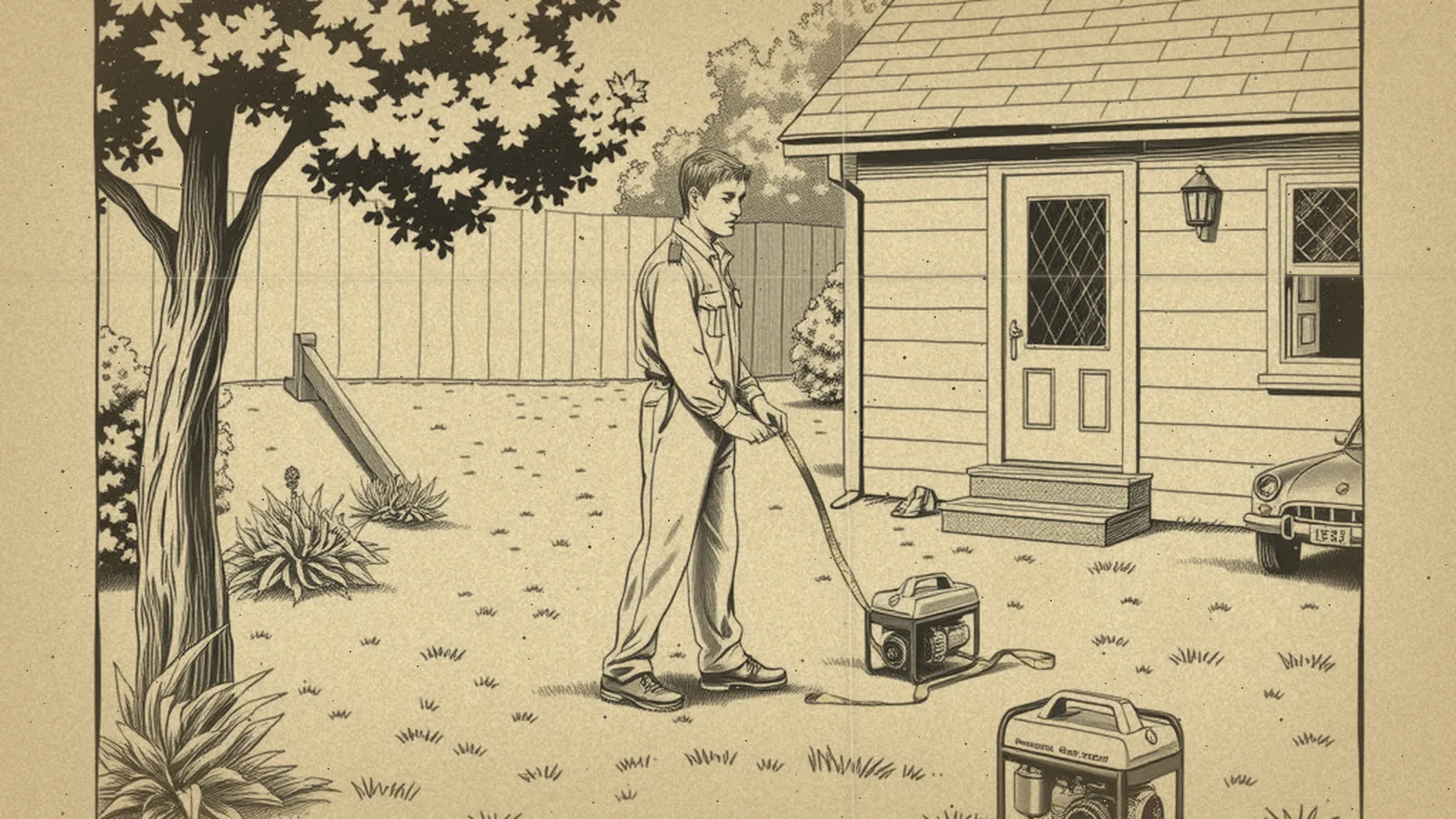
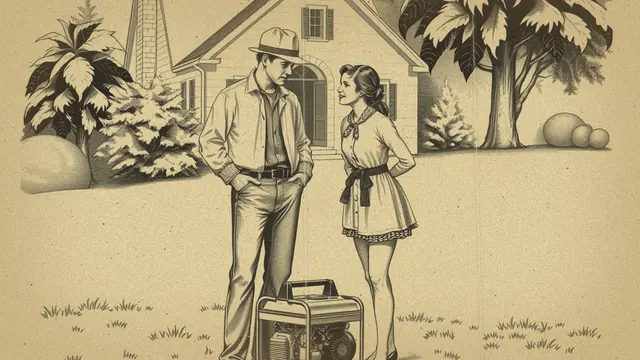
To use a generator safely, run it only outdoors, at least 20 feet from windows, doors and vents, and never inside a home, basement, garage or camper, even with the windows open. Install battery-operated or battery-backup carbon monoxide (CO) alarms in your home. If an alarm sounds or anyone feels dizzy, light-headed or nauseous, get to fresh air right away and call 911.
Those rules come from the CDC, and they're the heart of this page. A generator can be a real help during a long outage, keeping food cold and a few lights on, as our Power Outages guides explain. But carbon monoxide from generators is one of the most serious dangers people face after storms, and it's almost entirely preventable.
Why carbon monoxide is so dangerous
Carbon monoxide is a gas produced whenever fuel burns. It has no color, no smell and no taste, so you can't sense it building up. Breathing it keeps your body from getting the oxygen it needs. People who are asleep may never notice the warning signs.
That's why placement and alarms matter more than anything else about a generator. Opening windows or running a fan does not make an indoor generator safe. The same is true of grills, camp stoves and other gasoline-, propane- or charcoal-burning devices: they belong outdoors.
The CDC rules, one by one
| Rule | What it means in practice |
|---|---|
| Never indoors | Not in the house, basement, garage or camper, or any enclosed or partly enclosed space |
| Not even with windows open | Open doors and windows do not clear CO fast enough |
| At least 20 feet from windows, doors and vents | Measure it once, then mark the spot |
| Battery-operated or battery-backup CO alarms | Plug-in alarms without a battery won't work in an outage |
| Alarm or symptoms means fresh air and 911 | Don't wait to find the cause |
Setting up your generator spot
Choose and prepare a spot before the storm, in daylight, when you can think clearly.
- Measure at least 20 feet from every window, door and vent on your home, including dryer and furnace vents. Use a tape measure; distances are easy to misjudge.
- Check your neighbors' windows too, especially in townhomes or close-set houses. Exhaust can drift next door.
- Point the exhaust away from all buildings.
- Pick a dry, level surface. Follow your owner's manual for running in rain or snow; many manufacturers sell covers designed for their models.
- Plan your cords. Use heavy-duty extension cords rated for outdoor use and for the load you'll run. Check them for cuts or damage.
- Check your state and local rules, since some places have noise rules or limits on fuel storage, and many apartments and homeowner associations restrict generators.
Connecting to your home's wiring
Plug appliances into the generator using outdoor-rated extension cords. Never plug a generator into a wall outlet. If you want a generator to power circuits in your home directly, a licensed electrician must install a transfer switch, which keeps your home's power separate from the utility lines. Our guide to choosing a backup generator explains transfer switches and sizing in more detail, so read it before you buy.
Carbon monoxide alarms: where and how
- Install alarms on every level of your home and outside sleeping areas.
- Choose battery-operated or battery-backup models so they work during an outage.
- Test them regularly with the test button, and replace batteries on the schedule in the manual.
- Replace the alarm when it reaches the end of its service life, which is printed on the unit or in the instructions.
What to do if an alarm sounds or someone feels sick
- Get everyone, including pets, outside into fresh air right away.
- Call 911 from outside.
- Don't go back in until emergency responders say it's safe.
- Tell responders about the generator or any fuel-burning device that was running.
Early CO symptoms, such as feeling dizzy, light-headed or nauseous, are easy to mistake for the flu or simple tiredness. If several people in the home feel sick at once, or symptoms ease when you step outside, treat it as CO until proven otherwise. Our guide to carbon monoxide poisoning covers symptoms and sources in more depth.
Fuel and fire safety
- Turn the generator off and let it cool before refueling. Fuel spilled on hot parts can ignite.
- Store fuel outside living areas in approved containers, away from anything that makes a flame or spark, and follow the label and local rules.
- Keep the generator dry, and touch it only with dry hands.
- Keep kids and pets away from a running generator.
A worked example: a family's generator plan
A family of five in a two-story suburban house buys a portable generator before hurricane season. On a calm Saturday, they:
- Measure out a spot in the side yard well beyond 20 feet from the kitchen window, back door and dryer vent, and away from the neighbor's bedroom window
- Buy two heavy-duty outdoor-rated extension cords long enough to reach the fridge without moving the generator any closer to the house
- Install battery-backup CO alarms on both floors and in the hall outside the bedrooms
- Decide that only the two adults start, refuel or move the generator
- Practice a dry run, then write the steps on an index card stored with the generator
Lower-risk alternatives
Not every household needs a fuel generator. Battery-based portable power stations make no exhaust and can be used indoors when you follow the manufacturer's instructions, making them a good fit for renters, apartments and small needs like phones, lights and a CPAP. They can't run as much for as long, but they remove the CO risk entirely.
If your main reason for a generator is saving food, it's worth knowing the timelines first. Our guide to food safety during a power outage explains how long a closed fridge and freezer stay safe, which can help you decide when to run the generator and for how long.
Do one thing today
Check that you have a working carbon monoxide alarm with a battery or battery backup. If you own a generator, go outside with a tape measure and mark a safe spot at least 20 feet from every window, door and vent.
Want a guided preparedness plan?
Some people like the structure of a paid guide. This button opens a third-party survival or preparedness program from one of our advertising partners. Its claims are its own, not ours, so weigh them against our red flags checklist.
See the partner program →We may be paid when you click. The program shown can change. Read its terms before you buy anything. How this works
Frequently asked questions
How far from the house should a generator be?
The CDC says to keep generators at least 20 feet from windows, doors and vents. Point the exhaust away from your home and your neighbors' homes, too.
Can I run a generator in my garage with the door open?
No. Never run a generator inside a home, basement, garage or camper, even with doors or windows open. Carbon monoxide can build up quickly and drift into living spaces.
What should I do if my carbon monoxide alarm goes off?
Get everyone, including pets, out into fresh air right away and call 911. Don't go back inside until emergency responders say it is safe.