How to Prepare for a Long-Term Power Outage
To prepare for a long-term power outage, plan for about two weeks: stored water and food your household eats, a safe way to stay warm or cool, light and phone charging, a plan for medicines and medical equipment, and neighbors you can count on. Most outages are much shorter, but major storms sometimes leave areas without power for days or weeks while crews rebuild. The steps below help in any of those situations.
If you have already worked through the basics in our Power Outages section, this page is the next layer. If a scary video or headline brought you here, pause and breathe for a moment. You do not need to predict anything to be ready; you just need a plan you can actually use.
Why plan for two weeks?
Long outages are usually caused by things we already know about: hurricanes, ice storms, wildfires, floods, heat waves and earthquakes that damage lines, poles and substations. Repairing that damage can take a long time in hard-hit areas, especially rural ones. A two-week plan gives your household breathing room while the people who restore power do their work, and it is the same home supply Ready.gov suggests for water when possible.
Plan in layers. Start with three days, then build to a week, then two weeks. Each layer is useful on its own.
Water
Water is the first priority. Some homes lose running water during long outages, including homes on wells with electric pumps and buildings that rely on electric pumps to move water to upper floors.
- Store at least one gallon per person per day, and aim for a two-week supply if you can. For a family of four, that is at least 56 gallons for two weeks, plus extra for pets, hot weather and anyone who is sick or nursing.
- Have a backup way to make water safe, such as a filter or the supplies to boil or disinfect it.
- Know your home's hidden water sources, like the water heater tank.
Our guide to how much water to store covers household amounts and pets in detail.
Food
Build a supply of food that needs little or no cooking and that your household already eats.
- Eat refrigerated food first, then frozen, then pantry. When in doubt, throw it out.
- Keep two weeks of shelf-stable meals: canned proteins, beans, rice, oats, pasta, peanut butter, crackers, dried fruit, shelf-stable milk.
- Plan for one safe outdoor cooking method with enough fuel, and a manual can opener.
- Include baby food or formula, special-diet items and pet food.
Rotate food into regular meals so nothing goes to waste.
Heat and cooling
Long winter outages call for a warm-room plan: layers, sleeping bags, sealed drafts and a heat source used exactly as its label allows. Summer outages call for shade, water, fans and a cooling center plan.
The safety rule does not change with the length of the outage: never use a generator, grill, camp stove or other fuel-burning device inside a home, basement, garage or camper, and keep battery-operated or battery-backup CO alarms working. See our generator safety guide.
Light, power and information
| Need | Simple solution |
|---|---|
| Light | Headlamps and battery lanterns, plus spare batteries |
| Phone charging | Power banks, a car charger used outdoors, or a small solar panel |
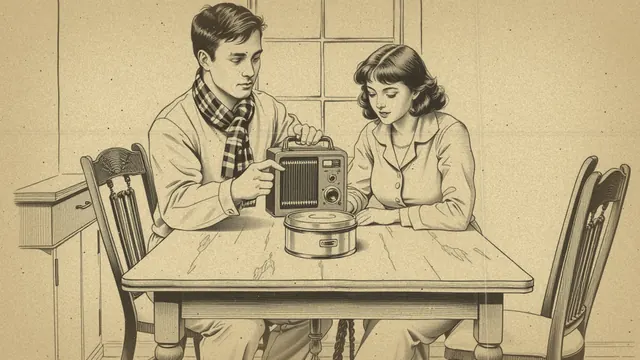
| News and alerts | A battery-powered or hand-crank radio, ideally a NOAA Weather Radio |
| Small appliances | A portable power station with a solar panel for recharging |
| Larger loads | A generator, outdoors only, with an electrician-installed transfer switch for home connections |
Paper matters too: print key phone numbers, a local map and your family plan.
Health and medical needs
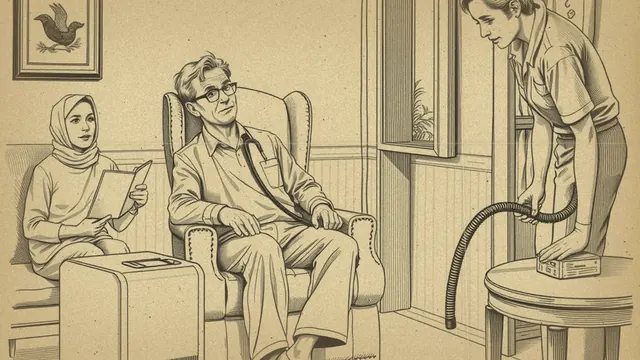
Long outages are hardest on people with medical needs. Talk with your doctor and pharmacist about an emergency supply of medicine, plan backup power for any device, and decide when you would go somewhere with power. Our guide to medical devices and outages walks through that planning step by step.
Hygiene keeps people healthy when water is short. Store hand sanitizer, wipes, trash bags and a plan for a toilet if water stops.
Money, documents and errands
- Keep some cash in small bills, since card readers and ATMs may not work.
- Keep copies of IDs, insurance and medical information in a waterproof folder.
- Keep your car's fuel tank at least half full during storm seasons, when you can.
Community is your best resource
No household gets through a long outage entirely alone. People who know their neighbors tend to share generators, check on each other and pool information.
- Swap phone numbers with nearby neighbors now.
- Know who lives alone, who is older, and who uses medical equipment.
- Agree on a check-in time each day during an outage.
- Look into your local Community Emergency Response Team or other volunteer groups.
Staying calm and connected matters as much as supplies. Keep routines, sleep, simple meals and something for kids to do. If stress becomes overwhelming, SAMHSA's Disaster Distress Helpline is available by call or text at 1-800-985-5990.
About rare large-scale events
Some readers are worried about very large events, like an electromagnetic pulse or a major attack on the grid. Those scenarios are studied seriously, but their real-world effects are uncertain and nobody can predict whether or when such an event might happen. Our page on EMP preparedness explains what is known and what is still debated.
The useful part is that the same two-week plan on this page covers most of what any long outage requires. If you want to protect a few small spare electronics, our Faraday cage guide explains what metal enclosures can and cannot do.
Be cautious with products and courses that use fear to sell, especially those promising guaranteed survival. Our guide to red flags can help you sort useful resources from marketing.
Thinking about going further
Some families decide to add solar panels, a wood stove, a rain barrel or a garden. Those are rewarding projects, and they need permits, safe installation and time to learn. Our guide to off-grid living basics is a calm place to start, and you can check your state and local rules before building anything.
A two-week plan you can start today
- This week: write down your household's needs, including medicines, pets and devices.
- Next trip to the store: add a case of water and a few extra pantry meals.
- This month: get headlamps, a radio and a power bank for each adult.
- Next month: add a safe outdoor cooking setup with fuel, plus CO alarms if you do not have them.
- Ongoing: keep building water and food a little at a time until you reach two weeks, and meet one new neighbor.
- Twice a year: check batteries, rotate water and food, and update your plan.
Want a guided preparedness plan?
Some people like the structure of a paid guide. This button opens a third-party survival or preparedness program from one of our advertising partners. Its claims are its own, not ours, so weigh them against our red flags checklist.
See the partner program →We may be paid when you click. The program shown can change. Read its terms before you buy anything. How this works
Frequently asked questions
How long can a power outage last?
Most outages last hours, but major hurricanes, ice storms and other large disasters have left some areas without power for days or weeks while crews rebuild lines. Planning for two weeks covers many of these situations and still helps if an outage is shorter.
What is the most important thing to store for a long outage?
Water comes first, since you need it for drinking, cooking and hygiene and some homes lose running water when the power is out. Ready.gov recommends at least one gallon per person per day and suggests a two-week supply at home if possible.
Do I need a generator for a long-term outage?
Not necessarily. Many households get through long outages with batteries, a small solar charger, a safe outdoor cooking setup and a good plan. If you do use a generator, it must run outdoors only, away from windows, doors and vents.