What to Do During a Power Outage, Hour by Hour
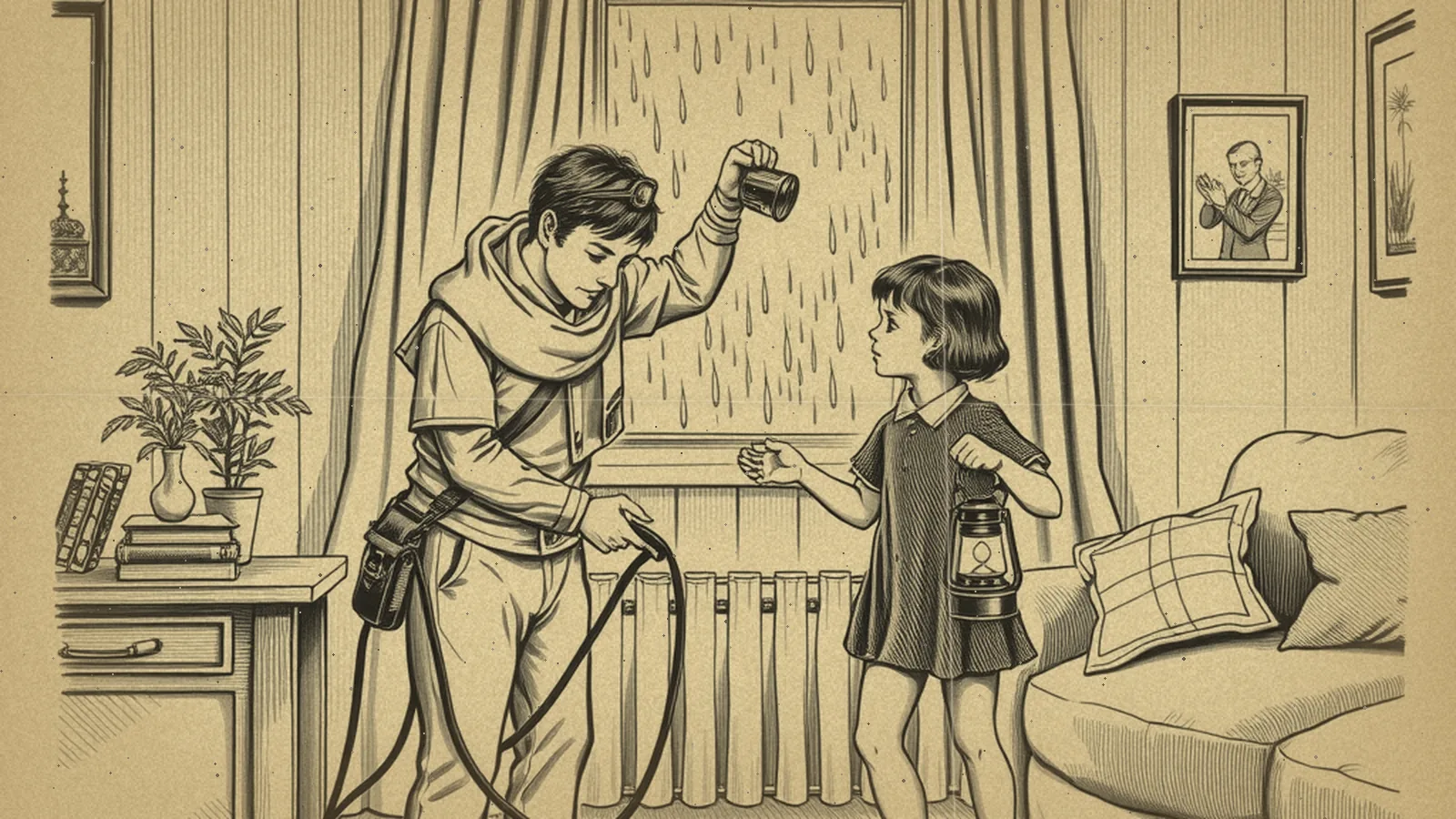
During a power outage, start by getting safe light, checking whether the outage is just your home or the whole street, and reporting it to your utility. Then unplug sensitive electronics, keep the fridge and freezer closed, and check on anyone who may need help. After that, your focus shifts to staying comfortable and safe until power returns.
This page is part of our larger set of Power Outages guides, and it's written to be read on a phone in a dark room. Each section is short so you can find the next step quickly.
The first 15 minutes
- Reach for a flashlight, not a candle. Battery lights don't tip over or start fires.
- Look outside. Are the neighbors' lights and streetlights out too? If only your home is dark, check your breaker panel or call your utility. If you smell something burning or see sparks, leave the house and call 911.
- Report the outage. Use your utility's app, text line, website or phone number. Don't assume someone else already did. Write the number in your phone and on paper now.
- Check on the people in your home. Make sure everyone has a light and knows to stay put while you sort things out.
The first hour
- Unplug sensitive electronics such as computers, TVs and game consoles, so a power surge doesn't harm them when service returns.
- Leave one lamp switched on so you'll notice when power is back.
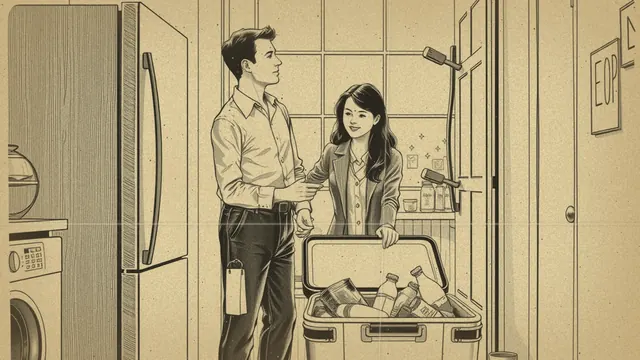
- Keep the fridge and freezer closed. Every opening lets cold air escape. Write down the time the outage started so you can judge food safety later.
- Save your phone battery. Lower screen brightness, close apps, and switch to texting. Charge from a power bank or your car if needed.
- Turn on a battery or hand-crank radio for local news and official instructions.
- Check on neighbors, especially older adults, people who live alone, and anyone who uses powered medical equipment.
A worked example: one evening in an apartment
Imagine a single parent and a ten-year-old in a third-floor apartment when a summer storm cuts the power at 6 p.m.
| Time | What they do |
|---|---|
| 6:00 | Grab two headlamps from the kitchen drawer; look out the window and see the whole block is dark |
| 6:10 | Report the outage in the utility app; note the time on the fridge with a sticky note |
| 6:20 | Unplug the TV and laptop; leave the hallway lamp switched on |
| 6:30 | Text a neighbor down the hall who uses a walker to ask if she needs anything |
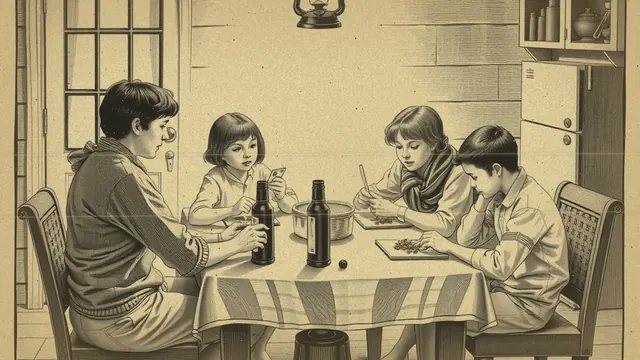
| 7:00 | Eat a no-cook dinner: wraps, peanut butter, apples and shelf-stable milk |
| 8:00 | Open windows on opposite sides for a cross breeze; play cards by lantern light |
| 9:30 | Check the utility app for a restoration estimate; plug the phone into a power bank |
Nothing dramatic, just a sequence. Having a plan like this written down is what our guide to preparing for a power outage is all about, so if you're reading this before an outage, start there.
Staying safe outside the home
- Downed lines: Stay far away and assume any downed wire is live. Keep children and pets back, never drive over a line, and report it to your utility or 911.
- Dark traffic signals: Treat an intersection with dark signals as an all-way stop, and follow your state's rules and any officer directing traffic.
- Driving: Avoid unnecessary trips. Roads may have debris, and gas pumps may not work.
Keeping warm or cool
Your next priority depends on the weather.
- In cold weather, gather everyone in one room, close doors to unused rooms, and layer clothing and blankets. Never use a gas stove or oven to heat your home. See staying warm without power for more.
- In hot weather, close blinds on sunny windows, drink water regularly, and move to the lowest, coolest floor. If it gets too hot, local officials often open cooling centers. Our staying cool without power guide explains the warning signs of heat illness.
The food question
The most common worry after the first hour is the fridge. A closed refrigerator stays cold for a few hours, and a full freezer lasts considerably longer, but both have firm limits. Our guide to food safety during a power outage lays out the exact USDA timelines and the temperature rule, so you can decide what to keep and what to toss with confidence instead of guessing.
If you use a generator
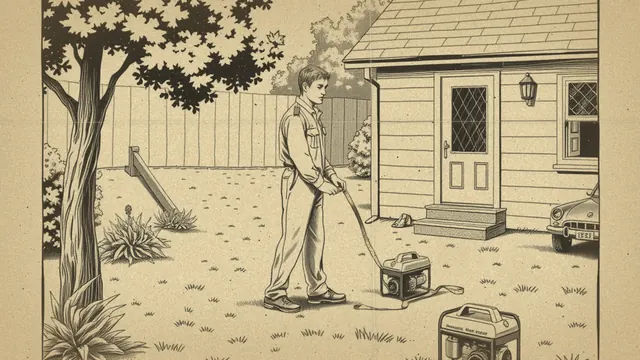
A generator can keep the fridge cold and a few lights on, but it is also the most serious hazard in many outages because of carbon monoxide. Run it outdoors only, far from windows, doors and vents, and never in a garage or basement. Read generator safety before you start it, especially if it's new to you.
Day two and beyond
If the outage stretches on, settle into a routine.
- Check the utility's restoration estimates once or twice a day instead of constantly.
- Ration phone and power bank use; recharge from the car while running errands.
- Eat from the fridge first, then the freezer, then your pantry.
- Keep a list of what's running low.
- Follow updates from local emergency officials about water notices, shelters and warming or cooling centers, and follow any evacuation orders.
This is also when your household plan pays off. Who checks on grandparents? Where would you go if the house becomes too cold? If you haven't settled those questions yet, our guide to writing a family emergency plan helps you decide roles and meeting places ahead of time.
When the power comes back
- Wait a few minutes, then plug in appliances one at a time.
- Reset clocks, thermostats and any medical equipment.
- Check fridge and freezer temperatures before eating stored food.
- Recharge every light and power bank.
- Restock what you used and note what you were missing.
Do one thing today
Save your utility's outage reporting number and app in your phone, and write it on a card next to your flashlights. In the moment, that small step saves a scramble.
Want a guided preparedness plan?
Some people like the structure of a paid guide. This button opens a third-party survival or preparedness program from one of our advertising partners. Its claims are its own, not ours, so weigh them against our red flags checklist.
See the partner program →We may be paid when you click. The program shown can change. Read its terms before you buy anything. How this works
Frequently asked questions
Should I call 911 if my power goes out?
Not for the outage itself. Report it to your utility by phone, app or website. Call 911 only for a real emergency, such as a fire, a medical problem, or someone hurt by a downed power line.
Should I unplug things when the power goes out?
Yes, unplug computers, TVs and other sensitive electronics so a surge doesn't damage them when power returns. Leave one lamp switched on so you'll know when the electricity is back.
What should I do if I see a downed power line?
Stay far away and assume it is live, even if it isn't sparking. Keep kids and pets back, never drive over it, and report it to your utility or call 911.