How to Stay Warm Without Power
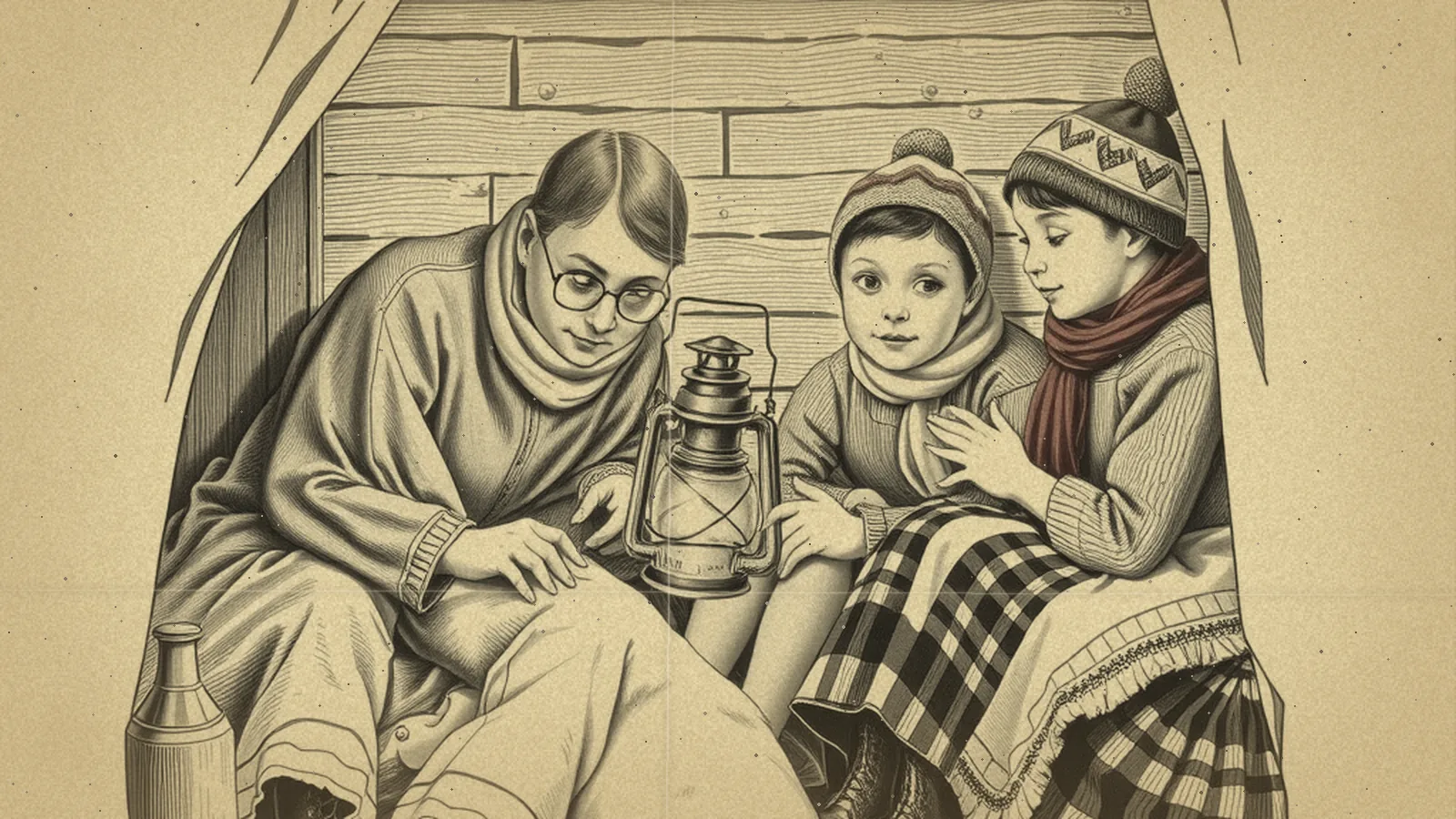
To stay warm without power, keep the heat you already have: put on layers, close off one small room for everyone to share, block drafts, and eat and drink regularly. Never bring a grill, camp stove, generator or any fuel-burning device inside, and never use a gas stove or oven to heat your home. Those steps keep most households comfortable through a typical winter outage.
Winter outages are one of the most common situations covered in our Power Outages section, and they reward a little planning. The good news is that staying warm is mostly about simple habits, not expensive gear.
Start with your body, not the house
A whole house loses heat fast once the furnace stops. Your body, wrapped well, loses it much more slowly. Focus on keeping people warm first.
The layering system:
- Base layer: snug long underwear or close-fitting clothes made of wool or synthetic fabric. Avoid cotton next to the skin, since it holds moisture and pulls heat away.
- Middle layer: fleece, a wool sweater or a down vest to trap warm air.
- Outer layer: a windproof jacket if you are moving around a drafty house or going outside.
- Extremities: a knit hat, warm socks, slippers with soles and light gloves. A lot of comfort comes from warm feet and a covered head.
Change out of damp clothes right away, including clothes damp from sweat after shoveling or carrying firewood. Dry layers are warm layers.
Choose one warm room
Heating one room is far easier than heating a house. Pick a room that is:
- On the side of the house that gets the most sun, if possible
- Small, with few windows and no exterior doors
- Away from the garage, which is often the coldest space
- Easy to reach for everyone, including anyone who uses a wheelchair or walker
Bring the household together there, along with pets. A family of four, a dog and a stack of blankets in one closed room add up to real warmth. Close doors to unused rooms, and hang a blanket over an open doorway if the room has no door.
Seal the room
- Roll towels and place them along the bottom of doors.
- Cover windows with blankets, heavy curtains or plastic sheeting and duct tape at night.
- Open curtains on sunny windows during the day to let light warm the room, then close them at sunset.
- Lay rugs or extra blankets over cold floors.
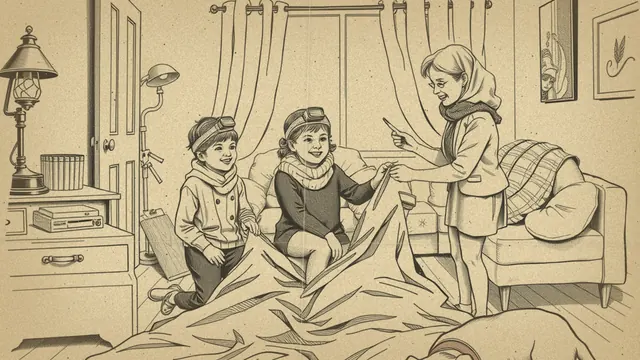
A small tent set up indoors, with sleeping bags inside, can make a cozy sleeping spot for kids. It holds body heat close and turns a hard night into something closer to a campout.
Safe heat sources
Some extra heat is fine as long as it is the right kind and used correctly.
| Heat source | Is it safe indoors? | Notes |
|---|---|---|
| Body heat, blankets, sleeping bags | Yes | Your first and best option |
| Hot water bottles filled from a kettle heated outdoors or on a working stove | Yes | Wrap in a towel to avoid burns |
| Fireplace or wood stove that is installed, inspected and vented | Yes, if maintained | Open the damper, keep a screen in place, never leave unattended |
| Heater labeled for indoor use | Only as the label allows | Follow every instruction, ventilate as directed, keep a CO alarm nearby |
| Gas stove or oven | No | Never use to heat your home |
| Grill, camp stove, generator, charcoal | No | Never indoors, in a garage, basement or camper, even with windows open |
The carbon monoxide rule
Carbon monoxide has no smell or color, and it builds up quickly in a closed home. Grills, camp stoves, generators and other fuel-burning devices belong outside only, never in a home, basement, garage or camper, even with the windows open. Install battery-operated or battery-backup CO alarms, and if one sounds or someone feels dizzy, light-headed or nauseous, get everyone to fresh air and call 911. Our generator safety guide explains CO risks and safe generator placement in full.
Electric heat from backup power
A small electric heater pulls a lot of power, so it can drain a portable power station quickly. If you have a generator running safely outside, a heavy-duty outdoor-rated extension cord can feed an indoor space heater. Plug the heater directly into that cord, keep it on a hard, level surface, and keep blankets, curtains and kids at a safe distance.
Light without fire
Candles add a little warmth and a lot of fire risk, especially in a dark, crowded room with blankets everywhere. Battery lanterns and headlamps are safer for a long night together. Our guide to emergency lighting covers which lights last longest and why they are a better choice than open flames.
Fuel your body
Your body makes heat by burning food. Regular meals and warm drinks help more than people expect.
- Eat snacks with some fat and protein, like nut butter, cheese, trail mix or canned fish.
- Drink water through the day. Cold air is dry, and people forget to drink when they are not hot.
- A warm drink before bed helps everyone settle in.
If you need to heat food or water, do it safely. Our page on cooking without power explains outdoor stoves, no-cook meals and fuel storage, and why the cooking setup stays outside.
Protect the people most at risk
Babies, older adults, people with chronic illness and anyone who uses medical equipment get cold faster and may not notice it. Check on them often, especially at night.
Signs someone is getting dangerously cold: shivering, confusion, slurred speech, fumbling hands, unusual sleepiness, and in babies, cold skin and very low energy. Warm the person gradually with dry layers, blankets and warm (not hot) drinks if they are alert. Call 911 if they seem confused, very drowsy, or stop shivering while still cold. Our guide to hypothermia and cold injuries covers frostbite and safe warming in more detail.
Pets need help too. Bring outdoor animals inside, give them bedding off the floor, and keep fresh, unfrozen water available.
Protect the house
Keeping the house from freezing is a second priority, after people.
- Let faucets on outside walls drip slightly to help keep pipes from freezing.
- Open cabinet doors under sinks so warmer room air reaches the pipes.
- Know where your main water shutoff is in case a pipe bursts.
- Unplug sensitive electronics so a power surge does not damage them when service returns.
When to leave
Sometimes the right answer is to go somewhere warm. If your home keeps getting colder, someone has a health condition that cold makes worse, or local officials open warming centers, go. Follow instructions from local emergency officials, and plan a safe ride if roads are icy. Many communities announce warming centers through local news, radio and phone alerts.
Your stay-warm checklist for today
Gather these now so you are not searching in the dark:
- A warm hat, socks and a base layer for each person
- One sleeping bag or two heavy blankets per person
- Towels or draft stoppers for doors
- Plastic sheeting and duct tape for windows
- Battery lanterns, headlamps and spare batteries
- Battery-operated or battery-backup CO alarms, tested
- Easy high-energy snacks and stored water
- Pet bedding and an extra blanket for each animal
- A note of where your nearest warming center is usually located
If summer outages are a bigger worry where you live, read our companion guide to staying cool without power. Many of the same ideas, like choosing one room and checking on neighbors, work in both seasons.
Want a guided preparedness plan?
Some people like the structure of a paid guide. This button opens a third-party survival or preparedness program from one of our advertising partners. Its claims are its own, not ours, so weigh them against our red flags checklist.
See the partner program →We may be paid when you click. The program shown can change. Read its terms before you buy anything. How this works
Frequently asked questions
What is the safest way to heat a room without power?
Start with heat you hold onto rather than heat you make: layers, blankets, a small closed-off room and everyone gathered together. If you add a heater, use one rated for indoor use, follow its label exactly and keep a battery-powered carbon monoxide alarm working nearby.
Can I use my gas oven or stove to heat the house?
No. Never use a gas stove or oven to heat your home. Ovens and stovetops are not designed for space heating and can fill the house with carbon monoxide.
How do I know if someone is getting too cold?
Watch for shivering, confusion, slurred speech, clumsy movements and unusual sleepiness, especially in babies, older adults and anyone who is ill. Warm them gradually and call 911 if they seem confused, very drowsy or stop shivering while still cold.