Carbon Monoxide Poisoning: Symptoms, Sources and What to Do
Carbon monoxide poisoning usually starts with a headache, dizziness, nausea or confusion, and it can make people sleepy before they realize anything is wrong. If you suspect it, or a CO alarm sounds, get everyone outside to fresh air right away and call 911. Most cases during emergencies come from fuel-burning equipment used in the wrong place, so prevention is mostly about where you put things.
Carbon monoxide (CO) is a gas you cannot see, smell or taste. It builds up when fuel burns in a space without enough fresh air moving through. During outages and winter storms, people reach for generators, grills and camp stoves to keep warm or cook, and that is when the risk climbs. This page sits in our First Aid & Health section, where we focus on the health problems that tend to show up when help may be slow to arrive.
Symptoms to recognize
The tricky part is that CO symptoms look like ordinary illness. Watch for:
- Headache, often dull and spreading
- Dizziness or feeling light-headed
- Nausea or vomiting
- Weakness or unusual tiredness
- Confusion, trouble thinking or blurred vision
- Chest pain or a racing heart
A few patterns should raise your concern right away:
- More than one person feels sick at once. A flu bug spreads over days. CO affects everyone in the room at the same time.
- Symptoms ease when you leave the house and return when you come back.
- Pets act sluggish, unsteady or unusually sleepy. Smaller animals may show signs first.
- Symptoms started after you turned on a fuel-burning device or after the power went out.
People who are asleep or drinking alcohol can be overcome without ever noticing symptoms. Babies, older adults, people who are pregnant and people with heart or lung conditions can be affected more seriously.
What to do in the first minute
- Get everyone out. Move people and pets outdoors or to a neighbor's home. Carry anyone who is very drowsy or confused if you can do so safely.
- Call 911 from outside. Tell the dispatcher you suspect carbon monoxide and how many people are affected.
- Do not go back in. Don't hunt for the source, shut off equipment or open windows first. Let firefighters test the air.
- Stay with anyone who is sick. If a person stops responding or isn't breathing normally, tell the dispatcher and follow their instructions.
- Get checked even if people feel better. Feeling fine after a few minutes outside does not mean the exposure was harmless. Medical staff decide what treatment is needed.
Where CO comes from during emergencies
Our generator safety guide covers the CDC's rules in full, including how far to keep a generator from your home. The short version: fuel-burning equipment belongs outdoors, well away from windows, doors and vents, and never in a garage, basement, camper or living space, even with windows open.
Common sources when the power is out:
| Source | Why it happens | Safer choice |
|---|---|---|
| Portable generator | Run in a garage, porch or near an open window | Outdoors, far from openings, with the exhaust pointed away |
| Charcoal or propane grill | Brought inside or into a garage to cook out of the rain | Cook outside under open sky, or use no-cook meals |
| Camp stove | Used in a tent, camper or kitchen | Outdoor use only |
| Gas oven or range | Turned on to heat the house | Never heat with a stove or oven; warm one room with blankets and layers |
| Car engine | Left running in an attached garage to charge phones or warm up | Never run a vehicle in a garage, even with the door open; charge phones from a power bank |
| Fireplace or wood stove | Blocked or dirty chimney | Have it inspected before the cold season |
Snow can also block furnace and dryer vents outside your home. After a storm, clearing those vents is a small chore that matters.
Set up your alarms today
Battery-operated or battery-backup CO alarms are the main line of defense, because plug-in alarms without batteries go quiet in an outage. A simple checklist:
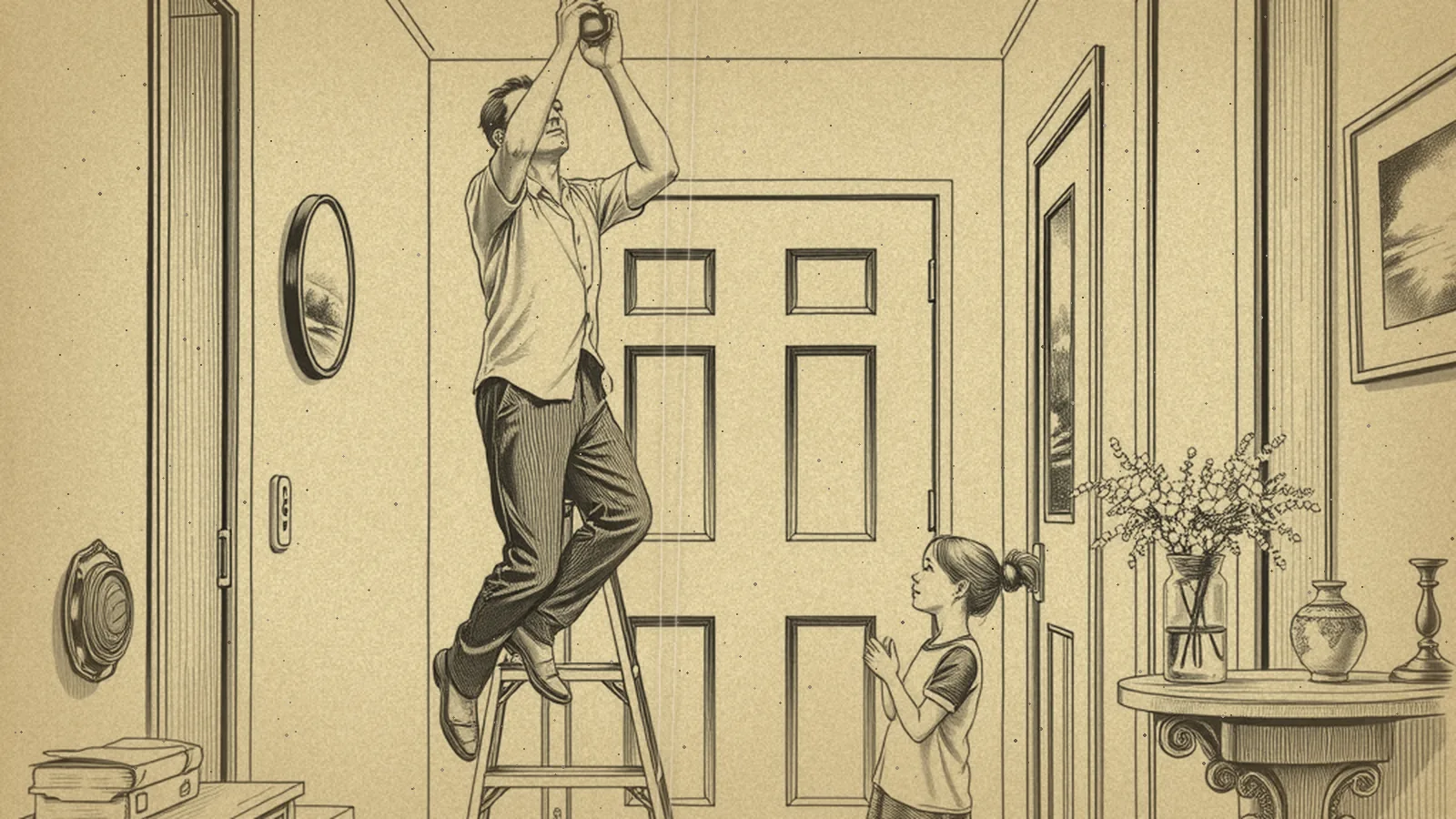
- At least one CO alarm on each level of your home, with one near sleeping areas, following the alarm's instructions
- Alarms that run on batteries or have a battery backup
- Press the test button on a regular schedule, such as when you check your kit
- Spare batteries stored with your emergency supplies
- Check the end-of-life date printed on the alarm and replace it when it expires
- Everyone in the home, including kids, knows the alarm sound and the plan: get out, then call
- Visual or vibrating alarms for anyone who is deaf or hard of hearing
Renters can ask a landlord about alarms and still keep a battery unit of their own. If you're staying with relatives or in a hotel during an evacuation, a small battery alarm is easy to pack.
Example: a winter outage in a duplex
Imagine a couple with a toddler and an older parent sharing one side of a duplex during an ice storm. The neighbors next door run a generator on their back porch. The fumes drift through a shared wall vent, and by evening everyone in the household has a headache and the toddler is unusually sleepy.
Because they have a battery CO alarm in the hallway, it sounds. They bundle everyone out to their car (engine off, parked in the open), call 911, and knock on the neighbors' door so they get out too. Firefighters find high CO levels on both sides. Moving the generator far from the building, out in the open, solves the problem.
The takeaway: your safety also depends on what neighbors do. A friendly reminder about generator placement during an outage is a real kindness. Follow instructions from local emergency officials and your fire department about safe heating and power during storms.
How this connects to other health concerns
- If you rely on a home medical device or medicines that need power or refrigeration, our medications in emergencies guide helps you plan, so you aren't tempted to run equipment in unsafe places.
- Long outages often bring sanitation problems too, and our sanitation and hygiene guide explains how to keep a household healthy without running water.
- In summer, headache, nausea and weakness can also signal overheating, so read our heat illness guide to tell the two apart. When in doubt, get to fresh air and call 911.
This page is general information, not medical advice. A first aid or CPR class through the Red Cross or American Heart Association will give you hands-on practice for emergencies like this one.
Want a guided preparedness plan?
Some people like the structure of a paid guide. This button opens a third-party survival or preparedness program from one of our advertising partners. Its claims are its own, not ours, so weigh them against our red flags checklist.
See the partner program →We may be paid when you click. The program shown can change. Read its terms before you buy anything. How this works
Frequently asked questions
What are the first symptoms of carbon monoxide poisoning?
Early signs often feel like the flu: headache, dizziness, feeling light-headed, weakness, nausea and confusion. If several people or pets in the same space feel sick at once, or you feel better after leaving the house, treat it as carbon monoxide until proven otherwise.
What should I do if my carbon monoxide alarm goes off?
Get everyone, including pets, outside to fresh air right away and call 911 from outside. Do not go back in to look for the source or open windows first; let the fire department tell you when it is safe to return.
Can I smell carbon monoxide?
No. Carbon monoxide has no color, taste or smell, which is why a working CO alarm matters so much. A smell of exhaust or fuel can mean a problem, but the absence of a smell never means the air is safe.