How to Prepare for an EMP Without Fear
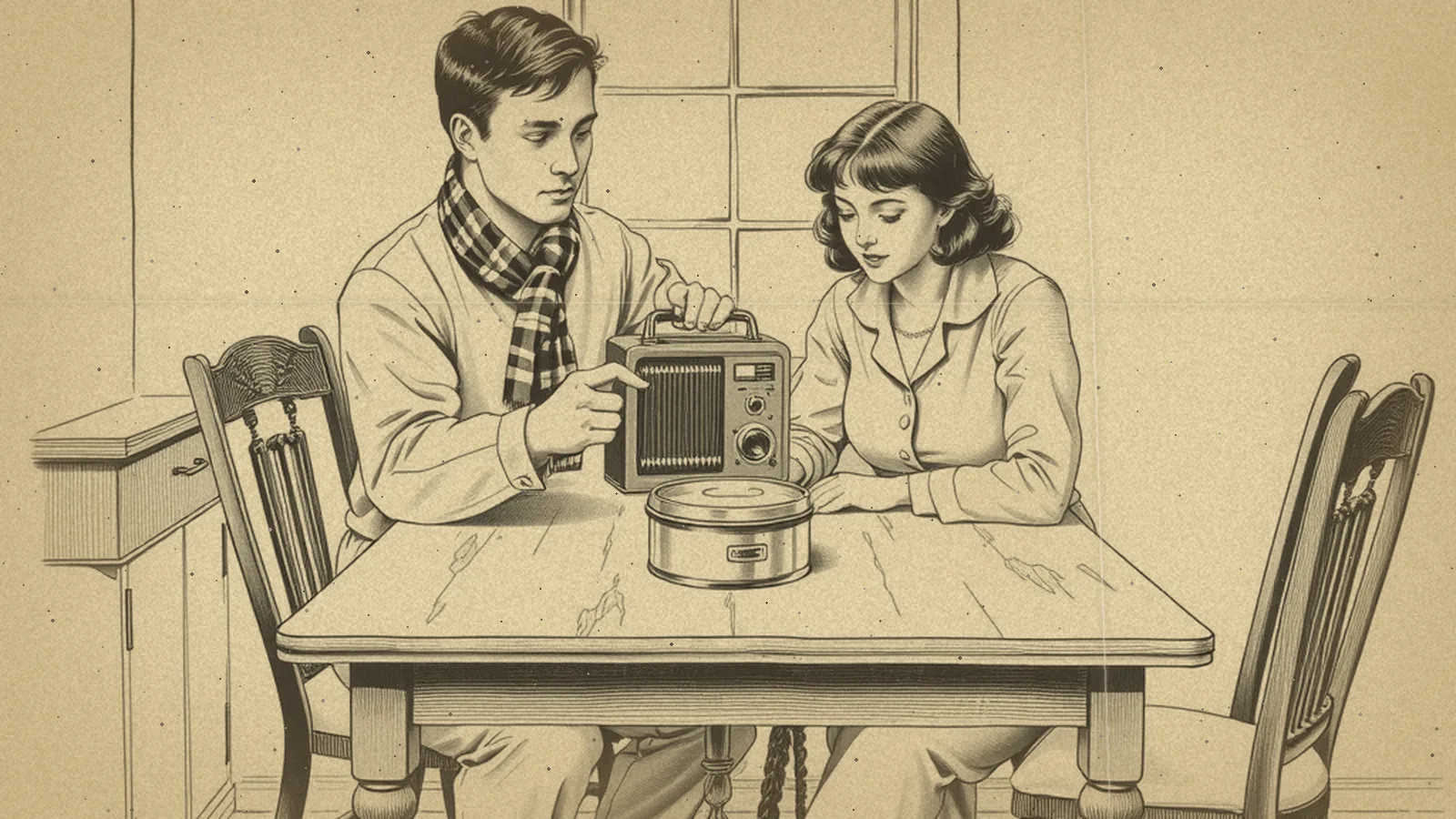
To prepare for an EMP, build the same plan you would for a long power outage: two weeks of water and food, light, a battery or hand-crank radio, a supply of medicines, paper copies of key information and a connection with neighbors. An electromagnetic pulse is a real phenomenon that Congress has studied, but how much damage a large one would cause is uncertain and debated, and no one can say whether one will ever happen. Focusing on steps that help in any outage is the calm, practical response.
This page sits within our Power Outages section, alongside guides to the outages that happen every year. If you arrived here after an alarming video or article, that feeling is understandable. Let's sort out what is known from what is not, and then turn it into a few useful steps.
What an EMP is
An electromagnetic pulse is a short burst of electromagnetic energy. Strong bursts can induce electrical currents in wires and electronics, which may disrupt or damage equipment. People usually discuss two kinds of sources:
- Natural: large solar storms (sometimes called geomagnetic disturbances) can affect long power lines and the systems connected to them. Utilities and government agencies monitor space weather.
- Human-made: a nuclear detonation high in the atmosphere, or specialized equipment designed to produce a pulse over a smaller area.
Not every source behaves the same way, and that is one reason predictions vary so widely.
What the EMP Commission studied
Congress set up the Commission to Assess the Threat to the United States from Electromagnetic Pulse Attack, often called the EMP Commission. It issued reports between 2004 and 2017 looking at how a pulse or a severe solar storm could affect the power grid and other systems like communications, water and transportation, and it made recommendations for protecting infrastructure.
Those reports are public documents, and they are worth knowing about for one reason in particular: they treated this as an infrastructure resilience question, a matter of planning and engineering, not a reason for households to panic.
What is honestly uncertain
Real-world effects of a large EMP are uncertain and debated. Experts disagree on questions like these:
- How many devices would actually be damaged, and how badly
- Whether cars and small electronics that are not plugged in would be affected much
- How long power grid repairs might take in different regions
- How likely any particular event is
You will find content online that states worst-case answers to all of these as fact. Some of it is sincere, and some of it is selling something. A useful habit: when a source claims certainty about an uncertain topic, treat that as a reason to slow down. Our guide to product red flags lists warning signs like countdown timers, guaranteed protection and fear-based marketing.
Why your outage plan already covers most of it
The practical problems after any very long outage are the same, whatever the cause: water, food, warmth or cooling, light, information, health and staying connected. That means each step you take for a storm season also counts toward the rare scenarios.
| Need | Step that helps in any long outage |
|---|---|
| Water | At least one gallon per person per day, building toward two weeks at home |
| Food | Two weeks of shelf-stable food your household eats, plus a manual can opener |
| Light | Headlamps, lanterns and stored batteries |
| Information | A battery-powered or hand-crank radio, ideally a NOAA Weather Radio |
| Health | An emergency supply of medicines, planned with your doctor and pharmacist |
| Records | Paper copies of contacts, maps, insurance and medical details |
| Cooking and heat | Safe outdoor cooking and a warm-room plan, never fuel-burning devices indoors |
| People | Neighbors you know and a family meeting place |
Our guide to preparing for a long-term power outage walks through each of these in more depth.
Simple extra steps some people take
If you want to go a little further for peace of mind, these steps are low-cost and useful in everyday emergencies too.
- Keep paper backups. Print phone numbers, a local road map and your family plan. Paper works no matter what happens to phones or networks.
- Store a few spare small electronics. A spare battery radio, a small flashlight and a spare power bank stored in a closed metal container is an inexpensive step. Our Faraday cage guide explains how these containers work, their limits, and why homemade versions are hard to verify.
- Agree on a no-phone plan. Decide where your household will meet and how you will find each other if calls and texts do not work. Our page on phones and communication in outages covers backup ways to stay in touch.
- Keep some cash in small bills. Card readers need power.
- Learn a few non-electric skills. Reading a paper map, basic first aid, cooking on an outdoor stove and starting a garden are useful in many situations.
What you can skip
- Expensive "EMP-proof" kits that promise guaranteed protection
- Courses or newsletters that rely on countdowns, scary predictions or claims of hidden knowledge
- Large purchases made in a hurry because of a headline
Calm is a skill
Worry about rare large events is common, and it can keep people up at night. Doing a few concrete things often helps more than reading more about worst cases. Limit fear-focused videos, especially before bed, and talk with someone you trust. If anxiety is affecting your daily life, a therapist or your doctor can help. If you're in crisis in the US, call or text 988 (Suicide & Crisis Lifeline).
Follow official guidance
In any real emergency, follow instructions from local emergency officials and listen to official alerts. Emergency managers plan for widespread outages from all causes, and they are the best source of guidance about what to do where you live.
Your EMP-ready checklist (it is really an outage checklist)
- Store water toward a two-week supply
- Add shelf-stable food a little at a time
- Get headlamps, a radio and spare batteries
- Ask your doctor about an emergency medicine supply
- Print key contacts and a local map
- Put a spare radio and flashlight in a closed metal container
- Make a meeting plan with your household
- Introduce yourself to one neighbor
Want a guided preparedness plan?
Some people like the structure of a paid guide. This button opens a third-party survival or preparedness program from one of our advertising partners. Its claims are its own, not ours, so weigh them against our red flags checklist.
See the partner program →We may be paid when you click. The program shown can change. Read its terms before you buy anything. How this works
Frequently asked questions
Is an EMP attack likely?
No one can honestly predict that. An EMP has been studied by a commission set up by Congress, but real-world effects of a large event are uncertain and debated, and Ready Roots does not predict any attack or disaster. The steps that help with an EMP are the same ones that help in common long outages from storms.
Would an EMP destroy all electronics, including cars?
Experts disagree about how widespread the damage would be, and effects would depend on many factors. Claims that every device and vehicle would stop working are not settled, so be skeptical of anyone who states them as certain.
What is the best way to prepare for an EMP?
Build the same plan you would for a two-week power outage: water, food, light, a battery or hand-crank radio, medicines, paper records and connections with neighbors. Some people also store a few spare small electronics in a closed metal container.