Food Safety During a Power Outage: How Long Your Fridge and Freezer Stay Safe
A closed refrigerator keeps food safe for about 4 hours without power, according to the USDA. A full freezer holds its temperature for about 48 hours, or about 24 hours if it is half full, as long as the door stays closed. Once power returns, throw out perishable food such as meat, poultry, seafood, milk, eggs and leftovers if it has been above 40°F for 2 hours or more.
Those numbers come from the USDA and FoodSafety.gov, and they're the core of every food decision in an outage. This guide, part of our Power Outages series, explains how to use them, how to stretch your cold time, and how to decide what to keep without second-guessing yourself.
The USDA numbers at a glance
| Situation | How long food stays safe | Condition |
|---|---|---|
| Refrigerator | About 4 hours | Door kept closed |
| Full freezer | About 48 hours | Door kept closed |
| Half-full freezer | About 24 hours | Door kept closed |
| Perishable food above 40°F | Discard after 2 hours or more | Meat, poultry, seafood, milk, eggs, leftovers |
The key phrase in every row is "door kept closed." Each peek lets cold air spill out, and the clock speeds up.
Why 40°F matters
Bacteria that cause foodborne illness grow quickly above 40°F. That's why the USDA uses 40°F as the line for perishable food. You can't tell by looking or smelling whether food has crossed into unsafe territory, because many harmful bacteria don't change how food looks or smells.
That's the reason to keep an appliance thermometer in both the fridge and the freezer. They're inexpensive and turn a stressful guess into a quick check.
Before an outage: stack the odds
You can buy yourself time with a few habits.
- Keep thermometers in place in the fridge and freezer year-round.
- Keep the freezer full. A full freezer holds cold about twice as long as a half-full one. Fill gaps with containers of water you can freeze, which double as extra cold packs and, once thawed, as backup water.
- Freeze ice packs and keep a cooler handy so you can move food if the outage drags on.
- Group foods together in the freezer so they help keep each other cold.
- Know where to get ice in your area, and keep cash for it.
During the outage: a step-by-step plan
- Write down the time the power went out. A sticky note on the fridge works.
- Keep doors closed. Plan meals so you open the fridge as rarely as possible. Eat no-cook pantry food first.
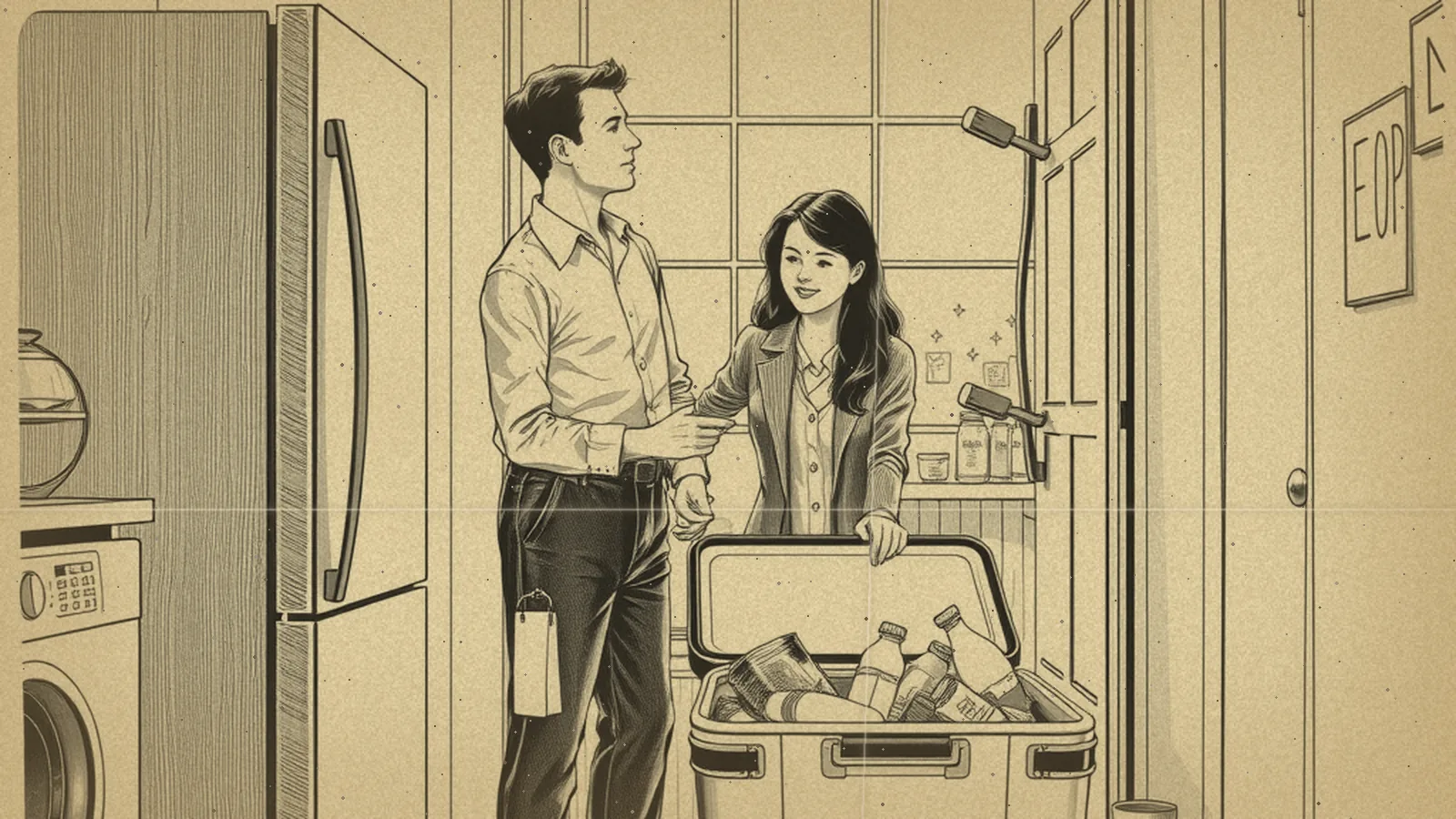
- At about the 4-hour mark, if the fridge is still off, move the most perishable items (milk, meat, leftovers, eggs) into a cooler with ice or frozen packs.
- Check the cooler and freezer thermometers a few times a day.
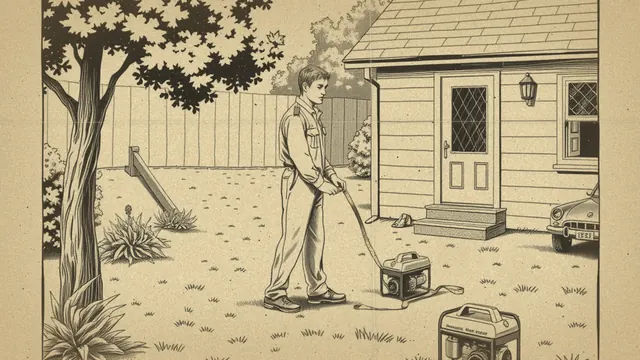
- If you have a generator, it can run the fridge, but only when it's set up outdoors and well away from the house. See the section on generators below.
Our guide on what to do during a power outage places these food steps within the rest of your first-hour checklist, so you're not juggling everything at once.
After the outage: what to keep and what to toss
Start with the thermometer, then work through this list.
| Food | Decision |
|---|---|
| Meat, poultry, seafood, milk, eggs and leftovers that have been above 40°F for 2 hours or more | Throw out |
| Perishables that stayed at 40°F or below | Generally safe to keep |
| Anything with an unusual smell, color or texture | Throw out |
| Anything you're unsure about | Throw out |
| Frozen food | Check the USDA refreezing guidance on FoodSafety.gov before refreezing |
For foods outside the basic perishable list, such as hard cheeses, butter, condiments, fruits and vegetables, the USDA publishes detailed charts on FoodSafety.gov. Use those rather than guessing.
The simplest rule of all is the USDA's own: when in doubt, throw it out. Never taste food to test it. It's painful to toss groceries, but a bout of food poisoning during a recovery is far worse.
If water from a flood reached your kitchen, the rules change. Food that may have touched floodwater usually has to go, with narrow exceptions. Our guide on food safety after a flood or disaster explains those rules.
Medicines and baby formula
Some medicines, like insulin, need refrigeration. Ask your pharmacist or doctor now how long yours can safely stay out of the fridge and what to do if it gets warm. Our guide to medical devices and outages covers planning for refrigerated medicine. Prepared infant formula and expressed breast milk are perishable, so ask your pediatrician for guidance on storing them in an outage.
A worked example: a two-day winter outage
A retired couple in a rural home loses power at 9 p.m. during an ice storm. Their freezer is about half full.
- That night: They note the time and keep both doors shut.
- Next morning (around 12 hours): The fridge thermometer reads above 40°F. They move nothing yet because they don't know how long that has been true, so they mark the fridge's milk, chicken and leftovers to toss.
- Lesson: Next time, they'll move perishables to a cooler with frozen water jugs at the 4-hour mark.
- Freezer at day one: A half-full freezer has roughly 24 hours. They fill a cooler with the most valuable frozen meat and pack it tightly with ice from a neighbor's generator-powered freezer.
- When power returns: They check the freezer thermometer, consult the FoodSafety.gov charts for each item, and toss what they can't confirm was safe.
Backup power for the fridge
A generator can save a freezer full of food, but it must be run outdoors and at least 20 feet from windows, doors and vents. Read generator safety before you start one; it explains why carbon monoxide is the real danger. If you're still deciding whether to buy one and what size a fridge and freezer need, choosing a backup generator shows how to add up the watts.
Do one thing today
Buy two appliance thermometers and put one in your fridge and one in your freezer. Then take a look at how full your freezer is, and fill empty space with containers of water.
For a broader look at how long pantry and frozen foods last in normal times, see our food shelf life chart.
Want a guided preparedness plan?
Some people like the structure of a paid guide. This button opens a third-party survival or preparedness program from one of our advertising partners. Its claims are its own, not ours, so weigh them against our red flags checklist.
See the partner program →We may be paid when you click. The program shown can change. Read its terms before you buy anything. How this works
Frequently asked questions
How long will food stay safe in a refrigerator without power?
According to USDA guidance, a refrigerator keeps food safe for about 4 hours if the door stays closed. After that, check temperatures before eating anything perishable.
How long does a freezer stay cold when the power is out?
A full freezer holds its temperature for about 48 hours, and a half-full freezer for about 24 hours, as long as the door stays closed.
What food do I have to throw out after a power outage?
Throw out perishable foods such as meat, poultry, seafood, milk, eggs and leftovers if they have been above 40°F for 2 hours or more. If you aren't sure, follow the USDA's advice: when in doubt, throw it out.