Emergency Lighting: Flashlights, Headlamps and Lanterns for Outages
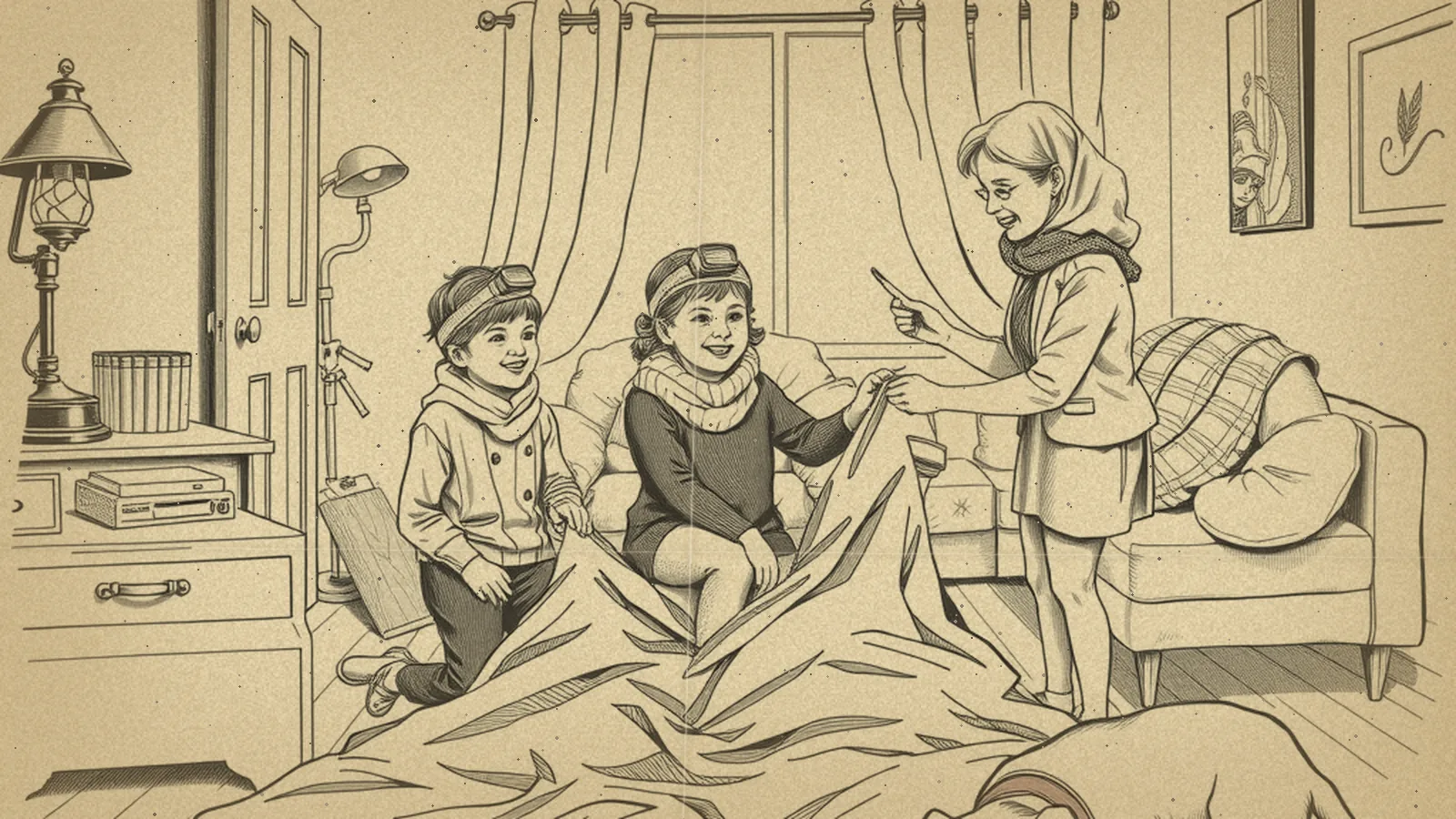
The best emergency lighting for most homes is a headlamp or flashlight for every person plus a battery-powered or rechargeable lantern for each shared room. These lights are safe around kids and pets, easy to use in the dark, and cheap to keep ready. Battery lights are much safer than candles, which cause home fires, and fuel-burning lanterns belong outdoors.
Light is the first thing everyone needs when the power goes out, which makes it the easiest place to start your outage plan. This guide, part of our Power Outages series, covers which lights to keep, how many you need, how to manage batteries, and how to set up each room.
The main types of emergency light
| Light | Best for | Notes |
|---|---|---|
| Headlamp | Cooking, caring for kids, chores, walking stairs | Hands-free; one per person is ideal |
| Flashlight | Checking the breaker panel, walking outside, signaling | Choose one with a low and high setting |
| Lantern | Lighting a whole room for meals and games | Battery or rechargeable; stands on a table |
| Plug-in rechargeable night light | Hallways, bathrooms, kids' rooms | Many turn on by themselves when power fails |
| Solar garden lights | Free, renewable room light | Bring them in at night, set them out by day |
| Glow sticks | Kids' comfort, marking stairs or doorways | Single-use; low light |
| Hand-crank light | Backup when batteries run out | Tiring to use for long periods |
How many lights do you need?
A simple rule of thumb: one personal light per person, one lantern per room you'll gather in, and a night light for each hallway and bathroom. Add one extra flashlight to keep in the car and one by the bed of anyone with limited mobility.
A worked example for a family of four
A couple with a teenager, a six-year-old and a dog in a one-story house might stock:
- Four headlamps, one per person, kept in a basket by the kitchen door
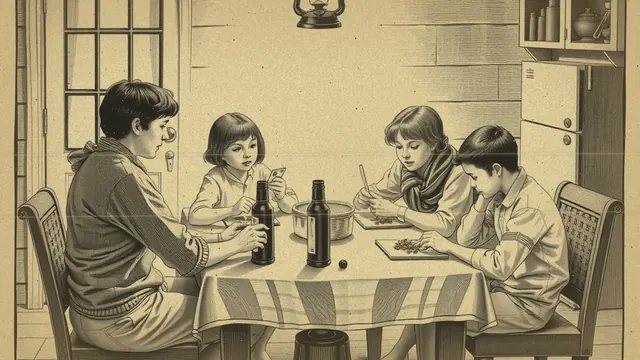
- Two lanterns, one for the kitchen table and one for the living room
- Three plug-in night lights that switch on automatically in the hallway, bathroom and the six-year-old's room
- One sturdy flashlight for walking the dog
- A pack of glow sticks for the six-year-old, who likes to "camp" in the living room during outages
- Extra batteries in every size these lights use
Batteries: a few practical tips
- Standardize. Choose lights that use the same battery size when you can, so one stash covers everything.
- Store batteries in their packaging in a cool, dry place, away from metal objects like keys and coins.
- Remove batteries from lights you won't use for months, since some batteries leak over time.
- Check dates. Packages list an expiration or "best by" date; use the oldest first.
- Rechargeables need a plan. They're great day to day, but keep them topped up, and have a way to recharge during an outage, such as a portable power station, a car charger or a solar charger. A station can recharge headlamps and lanterns for days if you're careful with it.
- Recycle or dispose of old batteries according to local rules.
Why to skip candles
Candles feel cozy, but they're a real fire risk, especially in an outage when people are tired, rooms are dark and kids and pets are moving around. Fire safety officials recommend flashlights and battery-powered lights instead. If you choose to use a candle anyway:
- Keep it in a sturdy holder on a stable surface
- Keep it well away from curtains, bedding, paper and anything that can burn
- Never leave it burning in an empty room or when you go to sleep
- Keep it out of reach of children and pets
Every battery lantern you add is one fewer reason to light a candle.
Fuel-burning lanterns
Propane, kerosene and liquid-fuel lanterns produce carbon monoxide and are a fire hazard. Use them outdoors only unless the manufacturer specifically allows indoor use, and keep battery-backup carbon monoxide alarms in your home either way. Our generator safety guide explains why carbon monoxide from any fuel-burning device is dangerous indoors.
A room-by-room setup
- Bedrooms: a headlamp or flashlight on every nightstand, in the same spot each time.
- Hallways and stairs: automatic night lights so nobody trips when the power drops.
- Kitchen: a lantern for the table and a headlamp for cooking or reaching into cabinets.
- Bathroom: a night light or small lantern.
- Entryway: a flashlight by the door for checking outside and walking pets.
- Car: a flashlight with spare batteries in the glove box.
Lighting in hot and cold outages
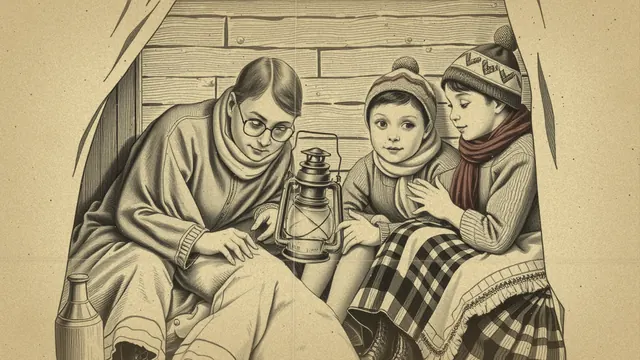
Light ties into comfort. In winter, gather everyone in one room to share warmth and one lantern. Our guide to staying warm without power explains how to set up that warm room safely, and it pairs naturally with your lighting plan. In summer, choose LED lights, which give off little heat, and keep curtains shut by day. See staying cool without power for more ways to keep the house bearable and spot heat illness early.
Kits and go-bags
Your outage lights can double as kit lights. A flashlight, extra batteries and a radio are on Ready.gov's basic kit list, which our 72-hour kit checklist covers in full. Some families keep a separate headlamp in each go-bag so the home supply stays put.
Skip the gimmicks
Lighting products are sometimes sold with dramatic claims about "survival" features or batteries that last forever. A dependable light, a battery you can replace and a simple switch beat flashy extras. Our guide to survival product red flags explains what to watch for.
Do one thing today
Gather every flashlight and lantern in your home, test each one, and replace dead batteries. Put one light on each nightstand, and put the rest in a single labeled bin you can reach in the dark.
Want a guided preparedness plan?
Some people like the structure of a paid guide. This button opens a third-party survival or preparedness program from one of our advertising partners. Its claims are its own, not ours, so weigh them against our red flags checklist.
See the partner program →We may be paid when you click. The program shown can change. Read its terms before you buy anything. How this works
Frequently asked questions
What is the best emergency light for a power outage?
Most households do best with a mix: a headlamp or flashlight for each person and a battery or rechargeable lantern for shared rooms. Headlamps keep your hands free for cooking, caring for kids or carrying things.
Are candles safe during a power outage?
Candles are a fire risk, especially around kids, pets, curtains and sleepy adults. Fire safety officials recommend battery-powered lights instead. If you do use a candle, never leave it unattended.
Can I use a propane or kerosene lantern indoors?
Fuel-burning lanterns produce carbon monoxide and are a fire hazard, so use them outdoors only unless the manufacturer specifically says otherwise. Battery lights are the safer choice inside.