Portable Power Stations vs Generators: What They Can and Can't Do
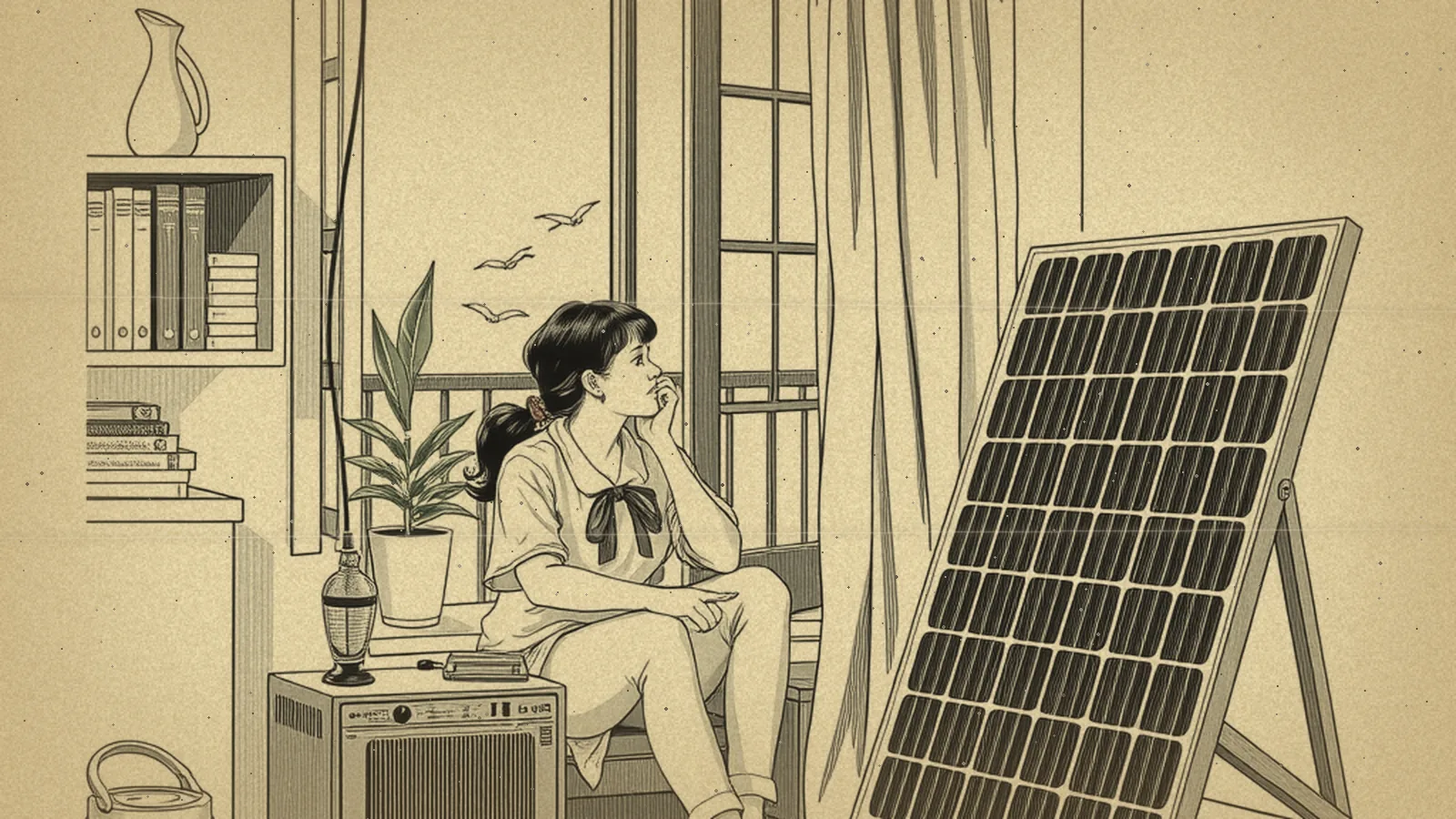
A portable power station is a large rechargeable battery with built-in outlets. Compared with a generator, it's quiet, makes no exhaust and can be used indoors when you follow the manufacturer's instructions, but it stores a limited amount of energy. It's a great fit for phones, lights, fans, internet routers and some medical devices; a fuel generator is better for running a fridge, well pump or furnace for days.
Portable power is one piece of the bigger picture in our power outages guides. It covers how these stations work, how to estimate what they can run, how solar panels fit in, and how to use one safely.
How a power station works
A power station combines a battery, an inverter that turns battery power into household-style power, and a mix of outlets: standard plugs, USB ports and sometimes a car-style socket. You charge it from a wall outlet before an outage, then from a car or solar panels during one.
Two ratings matter most.
- Watt-hours (Wh): how much energy the battery holds. Think of it as the size of the fuel tank.
- Output watts: how much power it can deliver at one moment. Think of it as the size of the hose.
A station can have a big tank and a small hose, or the reverse. You need both to match your devices.
Power station vs generator at a glance
| Feature | Portable power station | Fuel generator |
|---|---|---|
| Fumes | None | Carbon monoxide; outdoors only |
| Noise | Nearly silent | Noticeable to loud |
| Indoor use | Yes, per manufacturer instructions | Never |
| Runtime | Limited by battery size | As long as you have fuel |
| Recharging | Wall, car, solar | Refuel |
| Best for | Phones, lights, fans, routers, some medical devices | Fridges, pumps, furnaces, longer outages |
| Good for renters | Usually | Often restricted |
If you're weighing a fuel generator instead, our guide to choosing a backup generator explains sizing and types, and it's worth reading both before you spend money.
Estimating runtime: an illustrative example
The numbers below are invented to show the math. They are not ratings for any real product. Use the labels on your own station and devices.
The rough formula is: usable watt-hours divided by device watts equals hours of runtime. Then expect less, because converting battery power to household power wastes some energy.
| Device (example only) | Watts (example) | Hours from an example 500 Wh station, before losses |
|---|---|---|
| LED lamp | 10 | about 50 |
| Small fan | 25 | about 20 |
| Internet router | 15 | about 33 |
| Laptop | 50 | about 10 |
Running several devices at once shortens runtime: add their watts together and divide again. Phone charging is usually listed in watt-hours or milliamp-hours; the station's manual often gives an estimate of how many phone charges it holds.
What power stations usually can't run well
Anything that makes heat uses a lot of power. Space heaters, hair dryers, electric kettles, toasters and ovens drain a battery fast, and many exceed the station's output. That's why staying warm in a winter outage usually depends on layers, blankets and one warm room rather than electric heat. Our guide to staying warm without power covers safe ways to do that, and it's the right next read if you live where winter outages happen.
Refrigerators can run on larger stations for a while, but the starting surge and steady draw add up. Check the fridge label and the station's output before relying on it.
Solar panels: what to expect
Folding solar panels can recharge a power station during a longer outage. Output depends on sunlight, panel angle, season, shade and clouds, so the same panel may refill a station quickly on a clear summer day and barely help on a gray winter one. Treat solar as a way to stretch your supply, not a guarantee. Make sure the panel's connector and voltage match what your station accepts, as listed in its manual.
Safety tips for indoor use
- Follow the manual for charging, storage and ventilation.
- Keep it dry and away from sinks, rain and spilled drinks.
- Don't cover it with blankets or pile things on top; batteries need airflow.
- Keep it away from heat such as radiators, wood stoves and direct summer sun.
- Look for a recognized safety certification on the product listing.
- Stop using it if it swells, smells odd, leaks or gets unusually hot, and contact the manufacturer.
- Store it partly charged if the manual recommends that, and top it up every few months.
Medical devices
If you rely on a CPAP, oxygen concentrator or other powered medical equipment, a power station can be part of your plan. Ask your equipment supplier or doctor which stations and settings are compatible, and how long your device will run. Our guide to medical devices and outages walks through building a backup plan.
A worked example: an apartment setup
A renter in a fifth-floor apartment with a cat can't use a generator under the lease. Their plan:
- A mid-size power station kept charged in the hall closet
- A folding solar panel for the balcony
- Rechargeable lanterns and a headlamp
- A small battery fan for summer and extra blankets for winter
- A power bank for the phone so the station can focus on the router and lights
Pairing the station with good emergency lighting matters: when lights run on their own batteries, the station's energy goes further for everything else.
On the road
Power stations also travel well. Many people keep a small one or a power bank in the car for road trips and winter driving. Our car emergency kit guide shows how charging gear fits with the rest of a vehicle kit.
Be wary of big claims
Ads sometimes promise that a single battery will "power your whole house" for days. Read the watt-hour and output ratings yourself and do the math above. Our list of survival product red flags helps you separate honest specs from hype.
Do one thing today
List the three devices you'd most want running in an outage, write down their watts from the labels, and add them up. That total tells you what output and size of station would serve you, before you look at a single product.
Want a guided preparedness plan?
Some people like the structure of a paid guide. This button opens a third-party survival or preparedness program from one of our advertising partners. Its claims are its own, not ours, so weigh them against our red flags checklist.
See the partner program →We may be paid when you click. The program shown can change. Read its terms before you buy anything. How this works
Frequently asked questions
Can I use a portable power station indoors?
Yes, battery power stations make no exhaust, so most can be used indoors when you follow the manufacturer's instructions. Keep them dry, ventilated and away from heat, and charge them as the manual directs.
How long will a portable power station run my devices?
Divide the station's usable watt-hours by the watts your device uses to get a rough number of hours, then expect somewhat less because of conversion losses. Check both labels for the real figures.
Is a portable power station better than a generator?
It depends on your needs. Power stations are quiet, fume-free and good for phones, lights, fans and some medical devices. Generators run more power for longer but must stay outdoors because of carbon monoxide.