Cooking With Stored Food: Simple Pantry Recipes
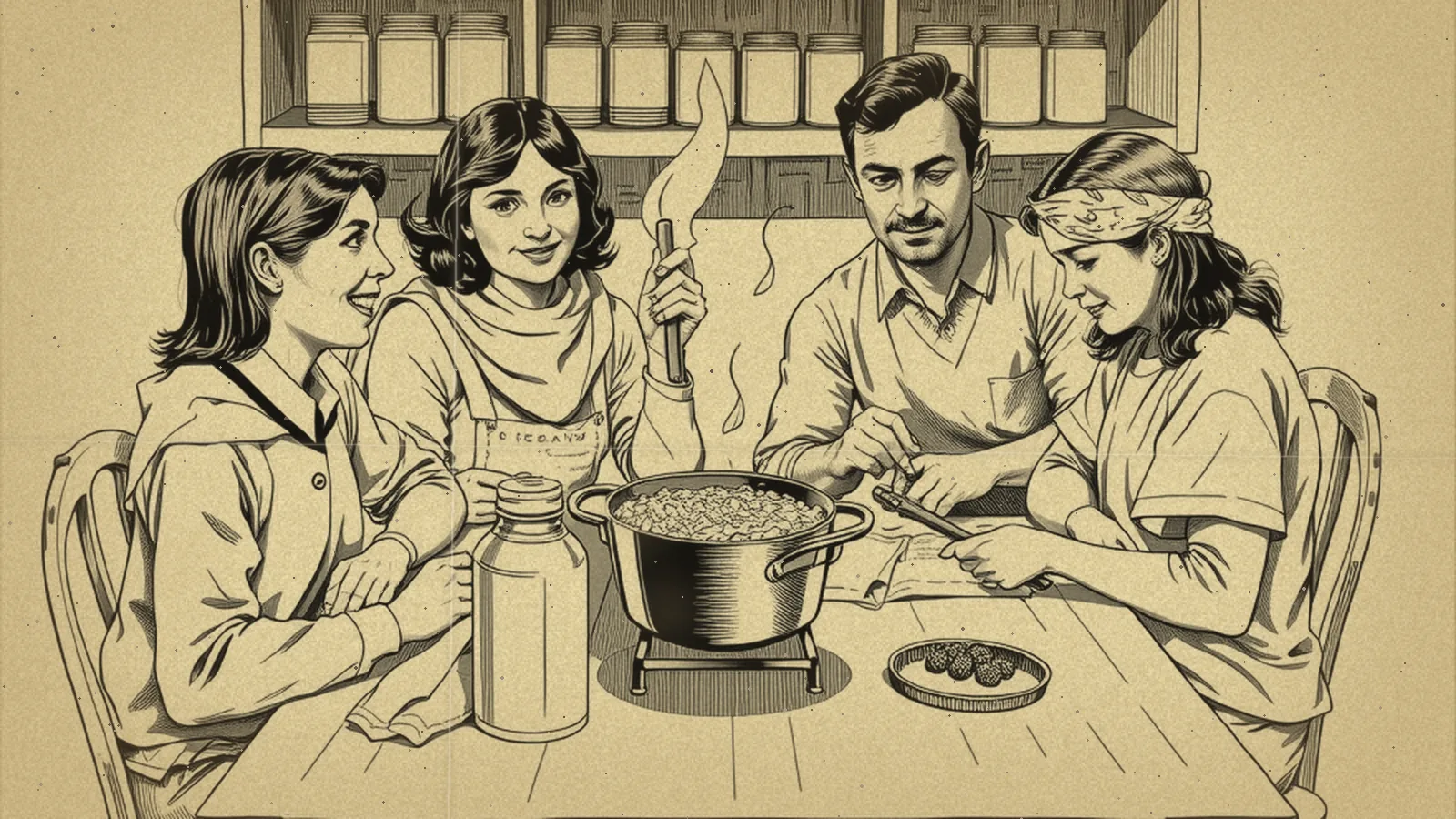
The best recipes using food storage are simple, familiar dishes made from staples: rice and beans, pantry chili, pasta with canned tomatoes, oatmeal with peanut butter and hearty bean soups. Cooking these meals now, before any emergency, is the easiest way to rotate your supply and make sure your household actually likes what you've stored.
A shelf of food only helps if you know how to turn it into dinner. That's what this page in our Food Storage section is for: practical meals you can make on an ordinary weeknight or during an outage.
Five pantry meals to try this month
Each recipe uses common shelf-stable ingredients and serves about four. Adjust amounts to your household and taste.
1. Rice and beans, three ways
Cook rice. Warm a can of drained black or pinto beans with garlic powder, cumin and a little salt. Serve the beans over the rice. Then change it up:
- Southwest: Add canned corn, canned diced tomatoes and chili powder.
- Caribbean-style: Use canned coconut milk in place of some of the rice water, and add dried thyme.
- Breakfast: Fry leftover rice and beans with a little oil and serve with hot sauce.
2. Pantry chili
In one pot, combine two cans of beans (any kind), a can of diced tomatoes, a can of tomato sauce, a can of corn, chili powder, cumin and dried onion. Add canned chicken or beef if you have it. Simmer until hot. Serve over rice or with crackers.
3. Pasta with tomato and tuna
Cook pasta. Warm a jar of pasta sauce or a can of crushed tomatoes with garlic powder and dried basil. Stir in a drained can of tuna or salmon. Top with grated hard cheese if you have it.
4. Hearty oatmeal
Cook rolled oats with water or reconstituted powdered milk. Stir in peanut butter, a spoonful of honey or sugar, and dried or canned fruit. For a savory version, cook oats in broth and top with a fried egg and hot sauce.
5. Bean and vegetable soup
Simmer canned or dried vegetables in broth made from bouillon. Add a can of white beans, a handful of pasta or rice, and dried Italian herbs. This is a great way to use dried vegetables from your dehydrated food shelf.
Make stored food taste good
The difference between "survival food" and a real meal is usually flavor. A small spice shelf goes a long way:
- Salt, pepper, garlic powder, onion powder
- Chili powder, cumin, paprika
- Dried basil, oregano, thyme
- Bouillon cubes or powder
- Hot sauce, soy sauce, mustard
- Honey, sugar, or maple syrup
Spices are inexpensive, light and help prevent "food fatigue," the feeling of not wanting to eat the same bland thing again. That matters especially for children and older adults, who may eat less when food is unfamiliar.
Cooking when the power is out
If your power is out, the same recipes still work, but you'll want to save water and fuel.
Choose already-cooked foods. Canned beans, vegetables and meats only need warming, or can be eaten cold. Dried beans need lots of water and long cooking, so save them for when you have power.
Use the liquid in cans. The liquid from canned vegetables can go into soups and rice instead of plain water.
Cook one pot at a time. One-pot meals use less fuel and fewer dishes, which also saves water for washing.
Keep a lid on. Covered pots heat faster and use less fuel.
Cook what you'll eat. Without a working refrigerator, leftovers become a problem. USDA guidance is to throw out perishable food that has been above 40°F for 2 hours or more. Our guide to food safety during a power outage explains this in detail.
Cook outdoors only. Camp stoves, grills and other fuel-burning cookers must stay outside, never in a home, garage or basement, even with windows open. They produce carbon monoxide. Our full guide to cooking without power covers safe setups and no-cook meal ideas.
No-cook meals for an outage
Sometimes the simplest plan is not to cook at all. Keep a few of these on hand:
- Peanut butter and crackers with canned fruit
- Tuna or chicken salad made from a pouch or can, eaten on crackers or tortillas
- Canned bean salad with corn, tomatoes and a splash of oil and vinegar
- Cereal or granola with shelf-stable milk
- Trail mix, nuts and dried fruit
Plan around special diets
If someone in your home has a food allergy, diabetes, celiac disease or another medical diet, your pantry meals need to work for them too. Our guide to special diets and food storage explains how to plan with a doctor or dietitian so everyone has safe options.
Avoid common cooking mistakes
People often store food but never practice cooking it. Then, during an outage, they discover they don't have a can opener, enough water or a safe way to heat food. Our guide to food storage mistakes covers these gaps and how to close them.
Keep it affordable
Every meal on this page is built from inexpensive staples. If you want to build your supply slowly, our guide to food storage on a budget explains how to add a few items each week without straining your grocery bill.
A practice week for a family of four
Picture a family with two parents, a toddler and a grandparent who lives with them. They try one "pantry week" each spring and fall.
- Monday: Pantry chili with crackers
- Tuesday: Pasta with tomato and tuna
- Wednesday: Rice and beans, Southwest-style
- Thursday: Bean and vegetable soup
- Friday: No-cook night: peanut butter, crackers and canned fruit
- Weekend: Hearty oatmeal breakfasts and leftovers from the week
They note which meals everyone liked and which ingredients ran low. Then they adjust their shopping list. The toddler's favorites go to the front of the shelf, and the grandparent's softer foods get their own bin.
Start today
Pick one recipe from this page and make it this week using only food from your shelf. Write down what you used, what you'd add next time and how your household liked it. Then restock what you used. That one meal tells you more about your food storage than any checklist can.
Want a guided preparedness plan?
Some people like the structure of a paid guide. This button opens a third-party survival or preparedness program from one of our advertising partners. Its claims are its own, not ours, so weigh them against our red flags checklist.
See the partner program →We may be paid when you click. The program shown can change. Read its terms before you buy anything. How this works
Frequently asked questions
What can I cook with only food storage items?
Rice and beans, pantry chili, pasta with canned tomatoes and tuna, oatmeal with peanut butter, bean soup and simple flatbreads are all easy to make from shelf-stable staples. Spices and bouillon make a big difference in flavor.
How can I save water and fuel when cooking stored food in an outage?
Lean on canned beans and vegetables, which are already cooked, and use the liquid from cans in soups. Cook one-pot meals, keep the lid on, and make only what you will eat at one meal.
Can I cook on a camp stove or grill inside during a power outage?
No. Camp stoves, grills and other fuel-burning cookers should only be used outdoors, away from windows and doors, because they produce carbon monoxide. Have battery-operated carbon monoxide alarms in your home.